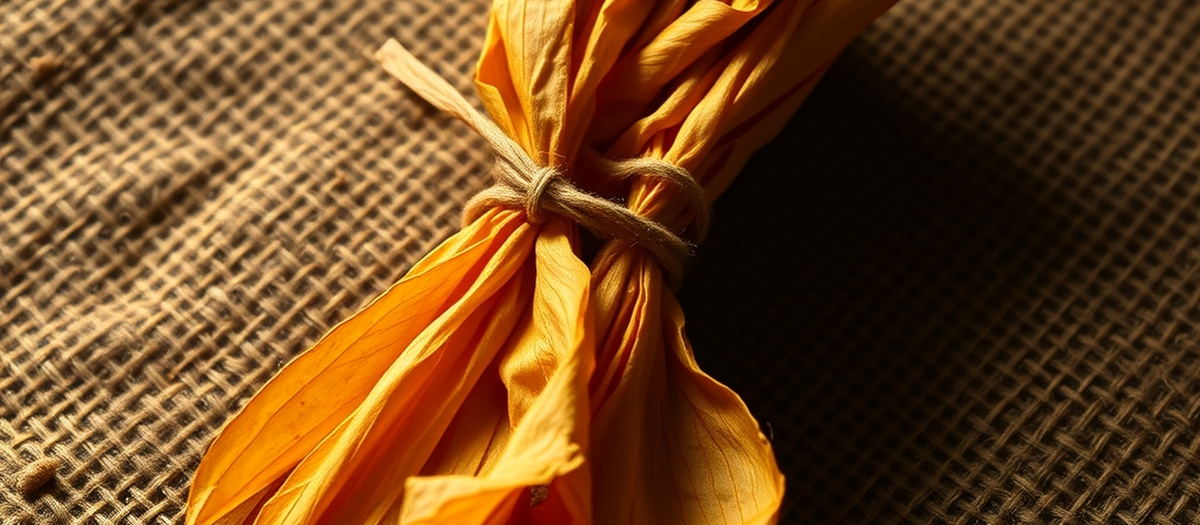
Processing form
Whole leaf FCV tobacco
Whole leaf FCV tobacco is flue-cured Virginia leaf sold as it comes off the grading line, with the midrib intact, packed in C48 cartons by stalk position and colour class. It is the form for manufacturers and primary processors who stem or thresh in-house and want control of strip size, lamina yield and blending from the raw leaf up. FCV Tobacco Limited supplies it from Khyber Pakhtunkhwa, Pakistan, in full-container lots on FOB terms.
Enquire
Send a specification and receive availability against the current crop year.
WhatsApp our team Or send a written specification →MOQ 1 container (20 MT minimum) · FOB terms, shipped to any port · 50% advance, 50% on FOB
What "whole leaf" means in the FCV trade
In leaf-trade language, whole leaf is cured tobacco that has not been through a stemming or threshing line. Each leaf still carries its midrib, the thick central vein, and the two halves of lamina attached to it. It has been cured, conditioned back to a workable moisture, sorted by stalk position and colour, and pressed into C48 cartons. Nothing has been cut, stripped or separated.
That distinction matters commercially because the midrib is not blend material. It is heavier, denser and lower in nicotine than the lamina, and it has to be removed before the leaf goes into a cigarette. When you buy whole leaf you are buying the whole plant tier, stem and all, and taking on the job of separating it. In return you get the widest possible choice of how to do that, and a price per kilogram that reflects the work still to be done.
Whole leaf from Pakistan is offered across the six stalk positions we grade, from primings at the bottom of the plant to tips at the top, and across the colour classes from lemon to mahogany. The C48 carton you receive is one position and one colour class, not a mixture, unless a mixed lot has been agreed.
How whole leaf is prepared before it leaves Pakistan
The leaf is primed by stalk position over several passes as each tier ripens, loaded into flue-curing barns, and cured over roughly five to seven days through yellowing, colour fixing and stem drying. At the end of the cure the midribs are bone dry and the leaf is brittle, so it is re-conditioned, moisture is brought back up to a level at which the leaf can be handled without shattering, before it is graded.
Grading assigns the stalk position and the colour class that together make the grade code. Leaf that is greenish from an incomplete cure, or dark and mixed, is separated into the off-grade classes rather than blended into bright grades. The graded leaf is then conditioned to the packing moisture target, pressed into C48 cartons of about 140–200 kg net, wrapped in C48 cartons or jute bags, sealed, and labelled with grade, colour, crop year, lot reference and net weight.
For whole leaf, that is where processing stops. The lot is sampled as packed, analysed in the laboratory, inspected if the buyer requires it, and loaded.
What arrives in the C48 carton
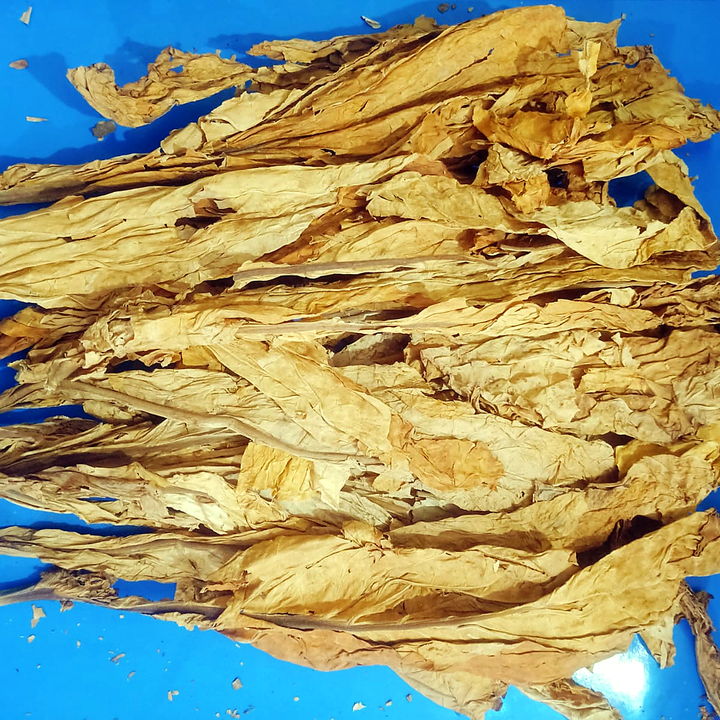
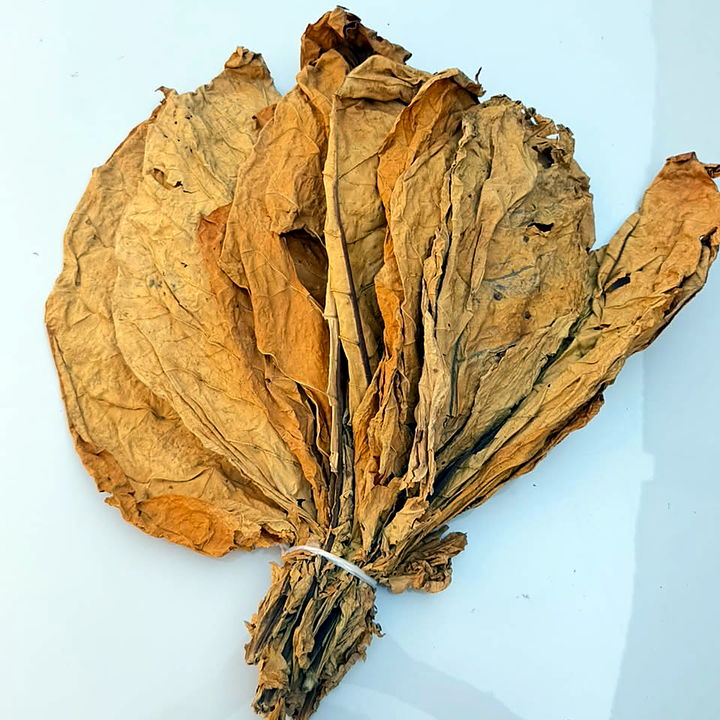
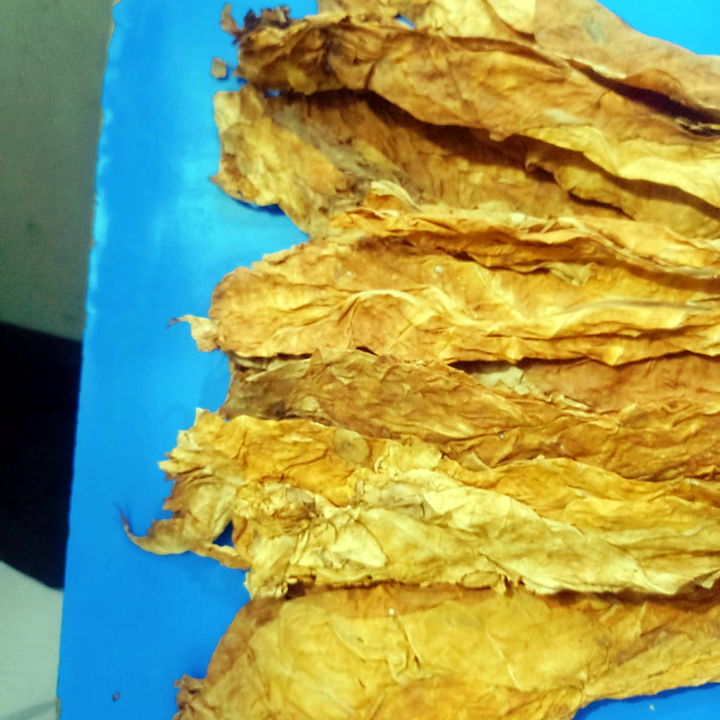
Open a whole-leaf C48 carton and you will find leaves pressed flat in layers, stems aligned, lamina intact on both sides of the midrib. Colour should be uniform within the class on the label; a lemon C48 carton should not contain red leaf. Leaf size and body track the stalk position: primings are small and papery, cutters are broad and even, tips are narrower, thicker and rougher.
Moisture at packing is set to a target of about 12 to 14 percent, and it is the first thing a receiving plant should check, because the C48 carton weight you paid for includes water. A C48 carton that reads 16 percent has more water and less tobacco than one at 13 percent, and it is also at risk of mould in transit and storage.
Foreign matter and non-tobacco material should be nil, and both are checked visually at pre-shipment inspection. Some sand and loose lamina at the bottom of a C48 carton is normal for leaf that has not been threshed; large amounts of broken leaf are not.
Specifying whole leaf: positions, colours, chemistry, moisture
A whole-leaf specification has five parts. First, the stalk positions you want, using the six codes P, L, C, X, F and T, and whether you accept a mix. Second, the colour classes for each position; orange and lemon-orange cover most demand, lemon commands a premium, and red and mahogany suit strength positions. Third, the chemistry targets: a nicotine range, which we publish as indicative bands by position (about 0.8 to 1.5 percent for primings up to 3.0 to 4.0 percent for tips), a reducing-sugar expectation, and a chloride maximum. Fourth, the moisture range and tolerance at packing. Fifth, the packaging: carton or bag weight, liner and labelling.
Every number we publish for a grade is an indicative range, not a measurement of your lot. The values that govern the contract are the ones confirmed by laboratory analysis of representative samples from the lot as packed, measured to CORESTA methods and stated on the certificate of analysis. Write your specification in terms of those confirmed values and the quotation will be built to match.
What the midrib means for yield and cost
Buyers new to whole leaf sometimes compare its price per kilogram with threshed lamina and see a bargain. The honest comparison is per kilogram of usable lamina. The midrib accounts for a substantial share of cured leaf weight, typically around a quarter and more on heavier upper-stalk leaf, and it comes out in your plant as stem, a by-product with its own lower value. Add the fines and small lamina generated by threshing, and the lamina yield from a tonne of whole leaf is well below a tonne.
Set against that, whole leaf gives you the stems, which have a market in reconstituted sheet and expanded-stem products, and it gives you control: strip size, the balance between large lamina and fines, and the decision of which positions to thresh together. Plants with spare threshing capacity often find that whole leaf delivers the lowest cost per kilogram of finished cut rag, provided they have the storage and the throughput to process it within the season.
Processing whole leaf in your own plant
A typical green-leaf threshing line takes whole leaf through conditioning, where steam and water raise moisture and make the lamina pliable; threshing, where rotating threshers tear lamina from stem; classifying, where air and screens separate lamina, stem and fines by size and density; and redrying, where the lamina is dried to a storage moisture and cooled before packing. Machine stemming, an alternative for some products, pulls the midrib from each leaf while keeping the lamina in larger pieces.
Pakistan FCV whole leaf behaves like other bright Virginia leaf on these lines. The variables that matter are moisture on arrival, leaf body by position, and how evenly the C48 carton was pressed. Heavier upper-stalk leaf threshes to larger strips and more stem; thin primings produce more fines. Run positions separately if strip size matters to your blend, and sample the conditioned leaf before threshing to set line settings.
Storage, moisture and pest risk for unredried leaf
Whole leaf as packed here has not been through a redrying line, so it should be treated as leaf with a working shelf life rather than as a long-term store. Keep C48 cartons dry, off the floor, in a cool ventilated warehouse, and process them within the season where you can. Moisture above the mid-teens invites mould, especially in warm, humid ports and warehouses.
Stored tobacco attracts the cigarette beetle and the tobacco moth. Standard practice is to inspect on receipt, keep infested and clean stock apart, and fumigate under the rules of your own country. If you intend to hold whole leaf for months, redry it on arrival to bring moisture down and kill any insect stages, then store it in a controlled warehouse. Our packaging page explains how C48 cartons are wrapped and sealed; your storage practice from the container door onward is what protects the leaf after that.
Whole leaf or unstemmed? Choosing between the two
Both forms keep the midrib, which is why the two pages sit side by side. The difference is preparation. Whole leaf is the graded leaf packed in C48 cartons as it comes from grading, the choice of a buyer who wants the least-handled material and will condition and sort it in-house. Unstemmed leaf, described on its own page, is conditioned, sorted and prepared as input for a primary processing line, with the moisture and presentation a threshing plant expects on day one.
If your plant has a conditioning cylinder and a receiving line, whole leaf gives you the most control and usually the lowest price. If you want C48 cartons that go straight into the threshing line with minimal preparation, ask for unstemmed. State which you mean in the quotation request; the names are used loosely in the trade and the specification is what governs.
Packaging, containers and documentation for whole-leaf shipments
Whole leaf ships in C48 cartons of about 140–200 kg net, with a 20 ft container carrying roughly 15–20 MT , volume rather than weight being the limit. C48 carton weight, liner and label format can all be set by the buyer. Shipments move on FOB terms at Port Qasim or Karachi, with a minimum of one container (20 MT minimum) by sea or 20 MT by land for buyers reachable overland.
The documentation package is the standard one for unmanufactured tobacco: commercial invoice, packing list, bill of lading, certificate of origin, and a phytosanitary certificate issued under the International Plant Protection Convention framework, together with the laboratory report for each lot and an independent pre-shipment inspection certificate where one has been arranged. Importers should confirm with their customs authority which additional licences or tests their market requires before the container is booked.
A practical checklist before you order whole leaf
Confirm that your plant can condition, thresh or stem, and redry, and that it has warehouse capacity for the unredried C48 cartons. Decide which stalk positions and colour classes you need and whether you will accept a mixed lot. State your nicotine range, sugar expectation, chloride maximum and moisture range with a tolerance. Specify C48 carton weight and labelling. Give the destination port, the Incoterm you prefer if not FOB, the quantity in containers and the delivery window. Ask for representative samples and the certificate of analysis format, and decide whether you will nominate a laboratory or an inspection company. Then send the specification through the quotation form; the commercial team replies with availability from the current crop year and the achievable values, lot by lot.
Whole Leaf FCV Tobacco — Full Leaf with Midrib Intact
FCV whole leaf tobacco is the full, unstemmed leaf as it comes from the curing barn — midrib and lamina together, sorted by stalk position and colour, and packed in C48 cartons for storage and export. It is the least-processed commercial form of Flue-Cured Virginia Tobacco and is preferred by buyers who have their own stemming or threshing operations.
This form is supplied as a tobacco leaf for buyers who wish to control the stemming process themselves. It offers maximum flexibility in downstream processing — buyers can determine their own strip size, lamina quality, and stem separation to their own specification.
Pakistan-origin FCV whole leaf tobacco is available in a range of stalk positions (Primings, Lugs, Cutters, Smoking Leaf, Leaf, Tips) and colour classifications (Lemon through Mahogany). Specific grade and colour combinations are confirmed per lot. Availability depends on the requested grade, processing, and shipment volume.
FCV Tobacco Limited supplies whole leaf tobacco to verified commercial buyers including licensed manufacturers, processors, importers, and leaf dealers. All buyers are subject to verification before any transaction proceeds. Buyers should request current specifications and commercial terms before ordering.
Whole leaf tobacco is distinct from stemmed or threshed material. It contains the central midrib, which adds weight and bulk but requires stemming before blending. Buyers who purchase whole leaf tobacco typically have in-house stemming lines or threshing equipment. This form is not suitable for buyers who require ready-to-blend lamina.
FCV Tobacco supports delivery of whole leaf tobacco to major commercial ports in Belgium, Poland, Italy, Spain, the Netherlands, Germany, France, Portugal, Greece, Romania, Bulgaria, Croatia, Slovenia, Lithuania, Latvia, Estonia, and other legally permitted destinations worldwide. Delivery availability depends on the destination, applicable import regulations, buyer documentation, product availability, and available shipping routes.
| Parameter | Value |
|---|---|
| Product Form | Whole leaf, unstemmed, midrib intact |
| Origin | Pakistan (Khyber Pakhtunkhwa) |
| Tobacco Type | Flue-Cured Virginia (FCV) |
| Stalk Positions | Primings, Lugs, Cutters, Leaf, Tips (lot-specific) |
| Colour | Lemon to Mahogany (lot-specific) |
| Moisture | Lot-specific; confirmed by lab analysis |
| Nicotine | Lot-specific; confirmed by lab analysis |
| Reducing Sugars | Lot-specific; confirmed by lab analysis |
| Packaging | C48 cartons (weight per C48 carton confirmed per lot) |
| MOQ (Land) | 20 Metric Tons |
| MOQ (Sea) | 1 container (20 MT) |
| Incoterm | FOB shipped to any port |
Typical Use Cases
- Licensed manufacturers with in-house stemming or threshing lines who prefer to control the process
- Primary processors requiring specific strip sizes not achievable through standard threshing
- Leaf dealers purchasing whole leaf for resale or further processing
- Buyers requiring maximum lot traceability and grade separation
- Procurement departments sourcing bulk tobacco leaf for blending facilities
Whole leaf FCV tobacco availability is subject to crop year, grade, and colour. Availability depends on the requested grade, processing, and shipment volume. Contact us with your stalk position, colour, and chemical specification requirements for a current availability and price indication.
From our stock
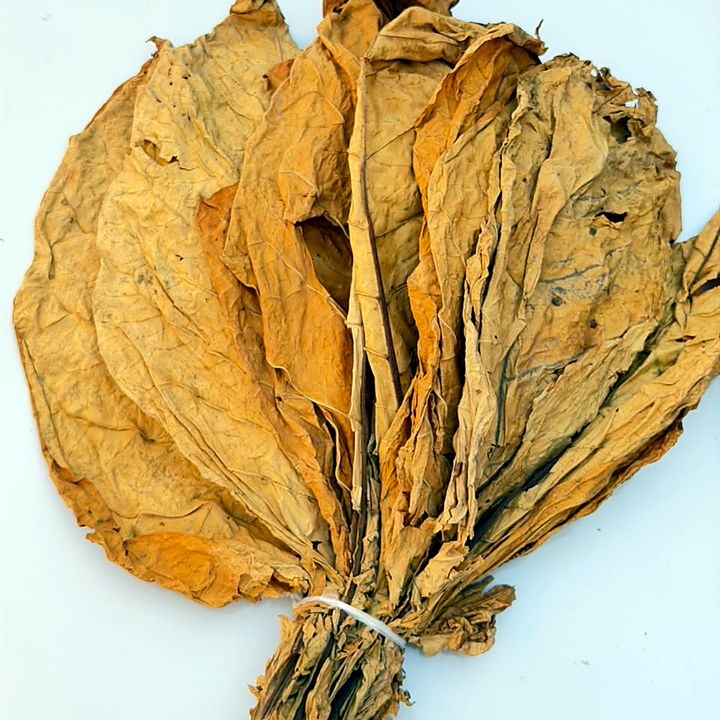
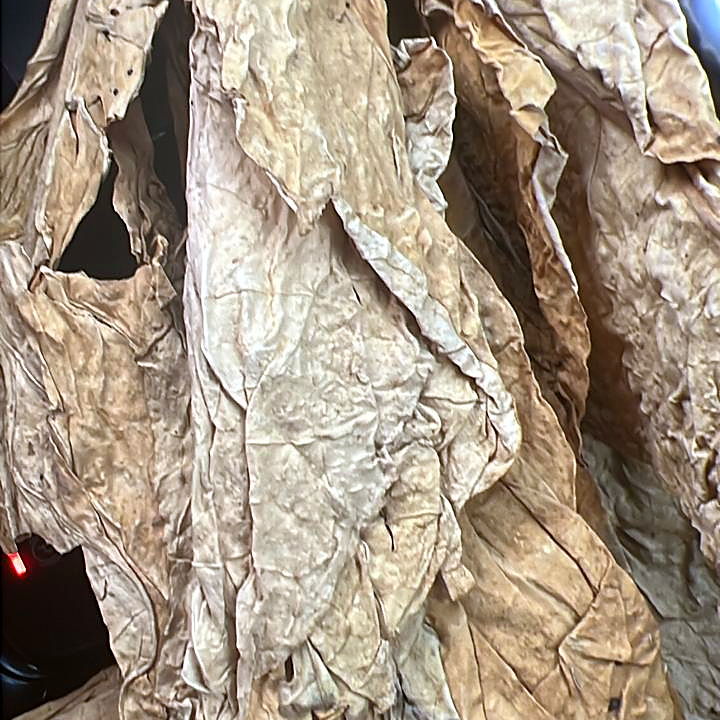
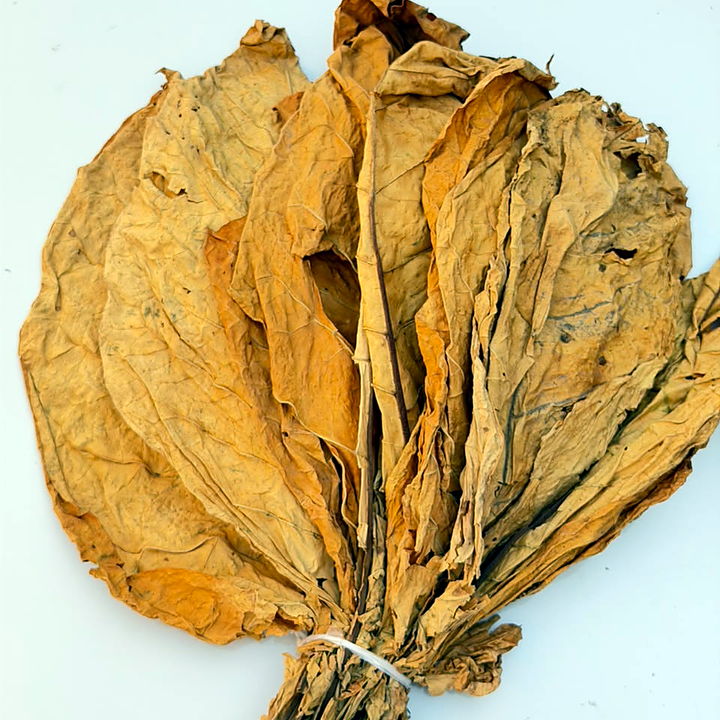
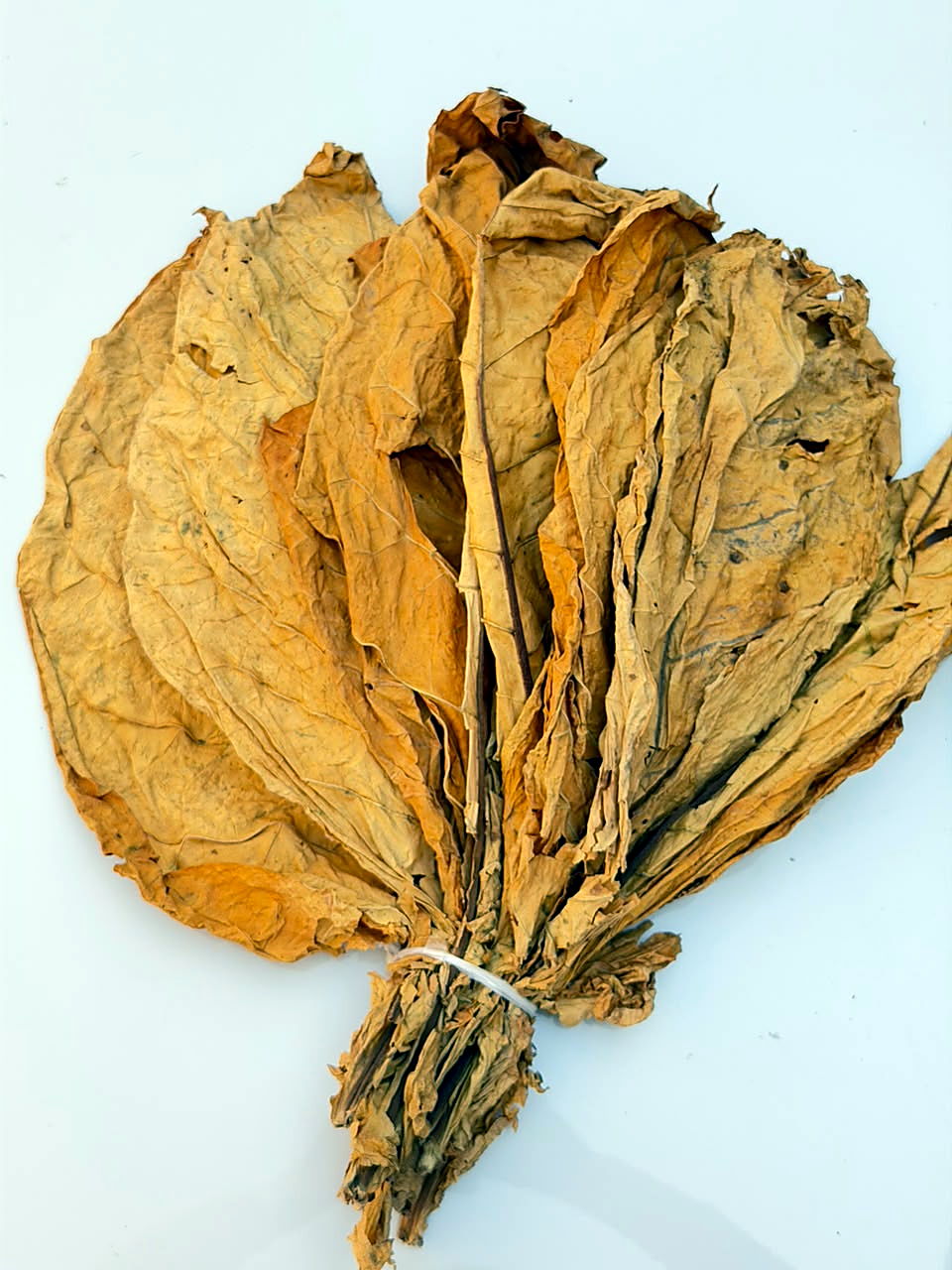
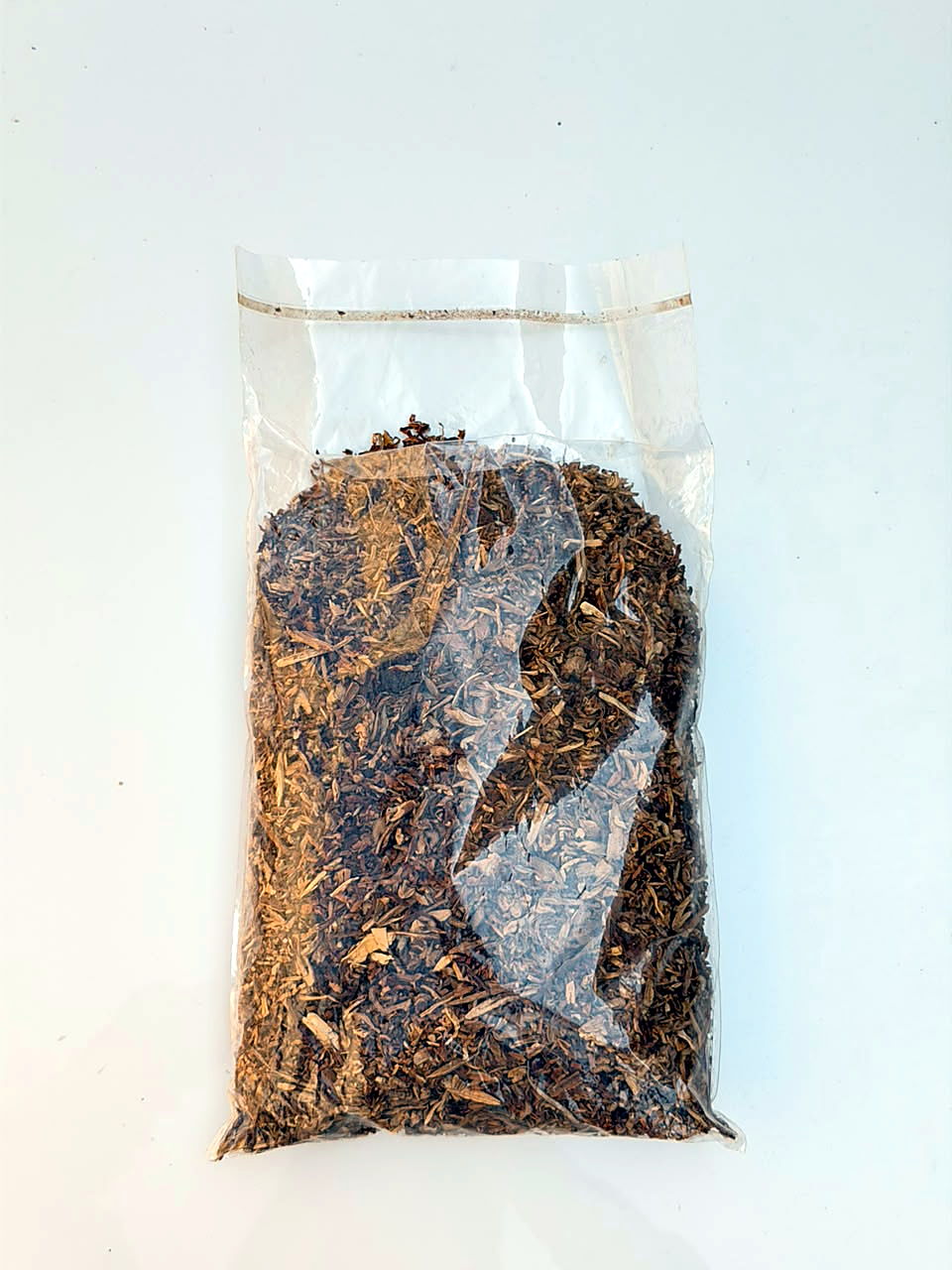
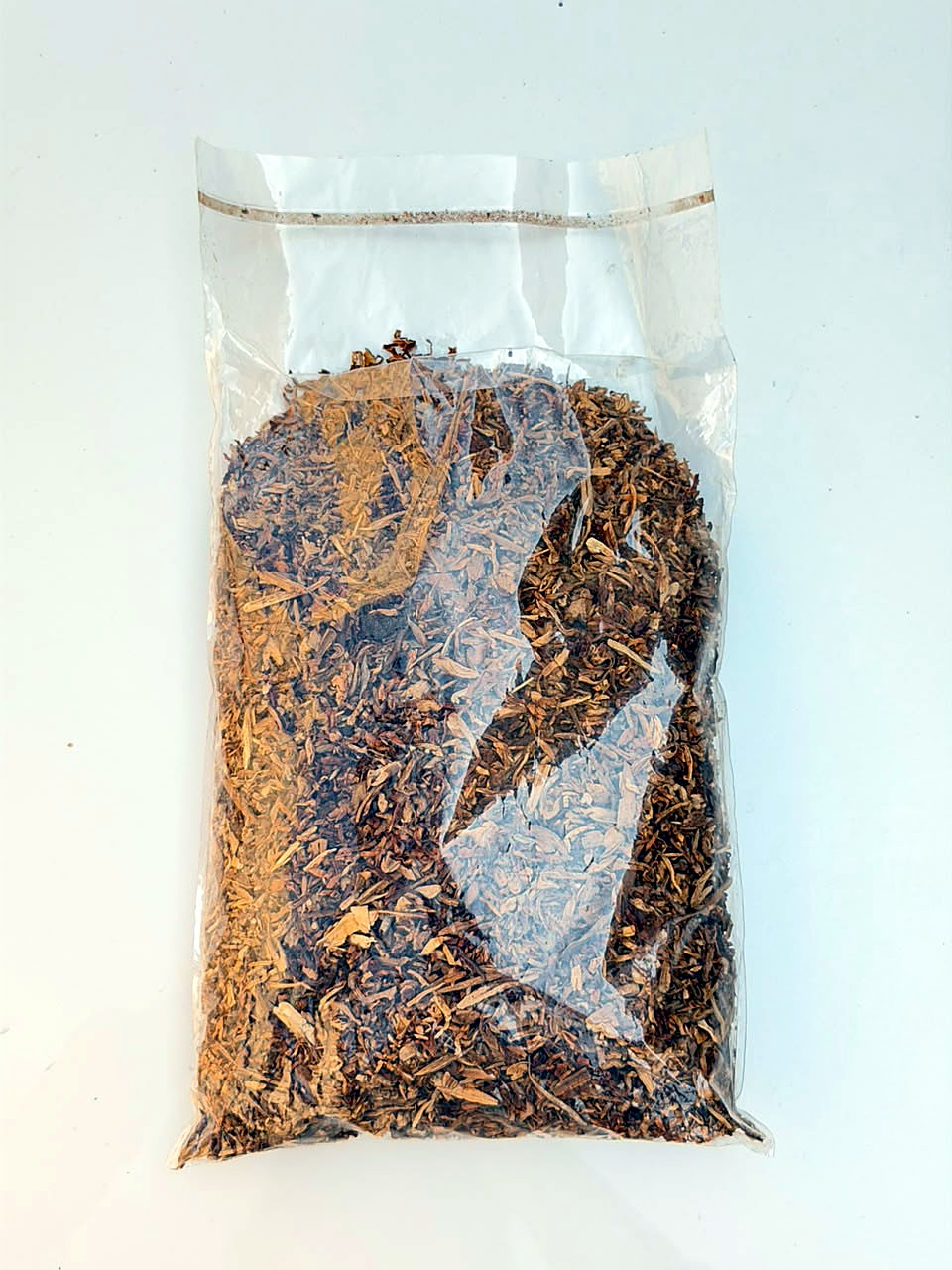
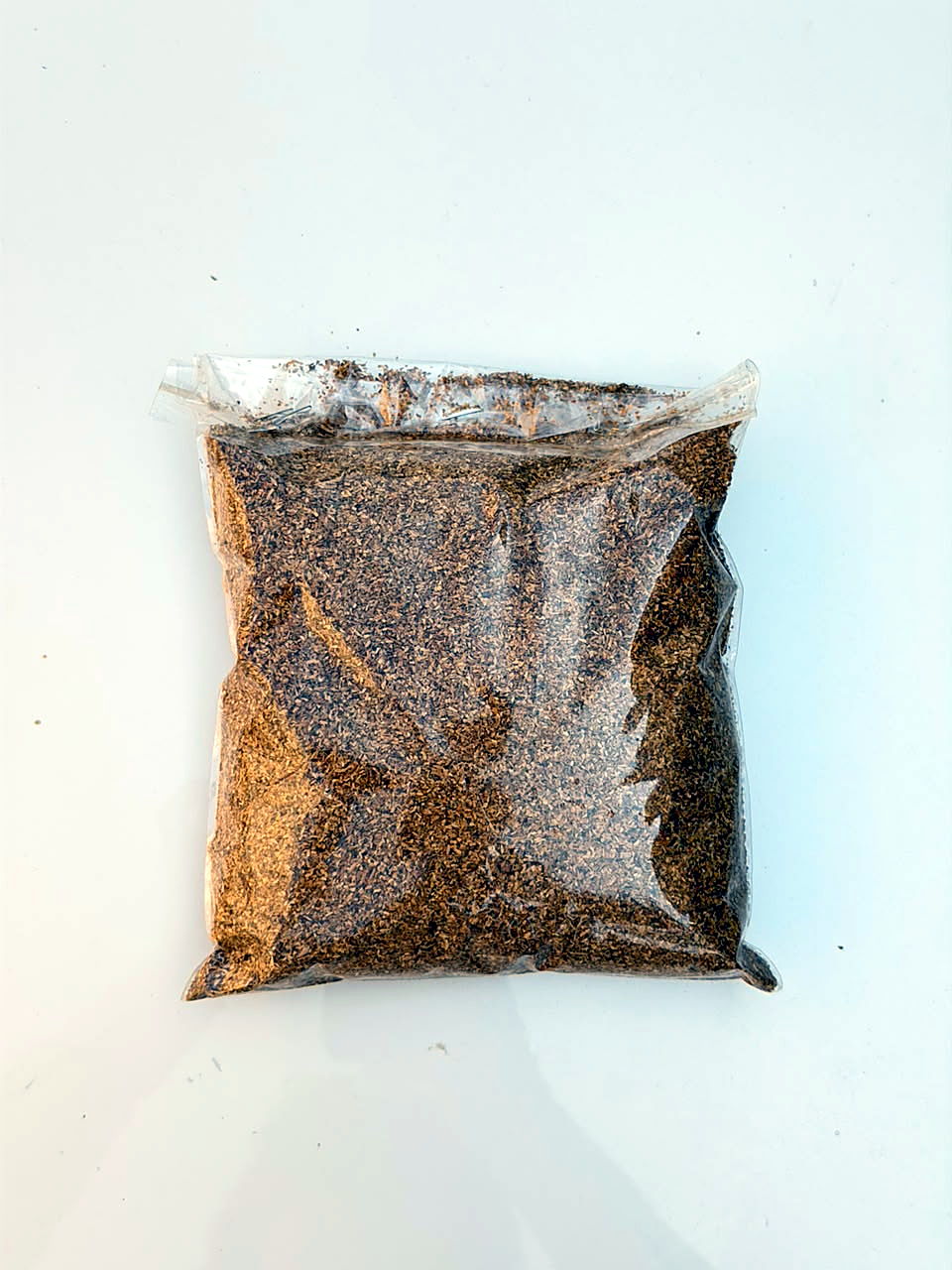
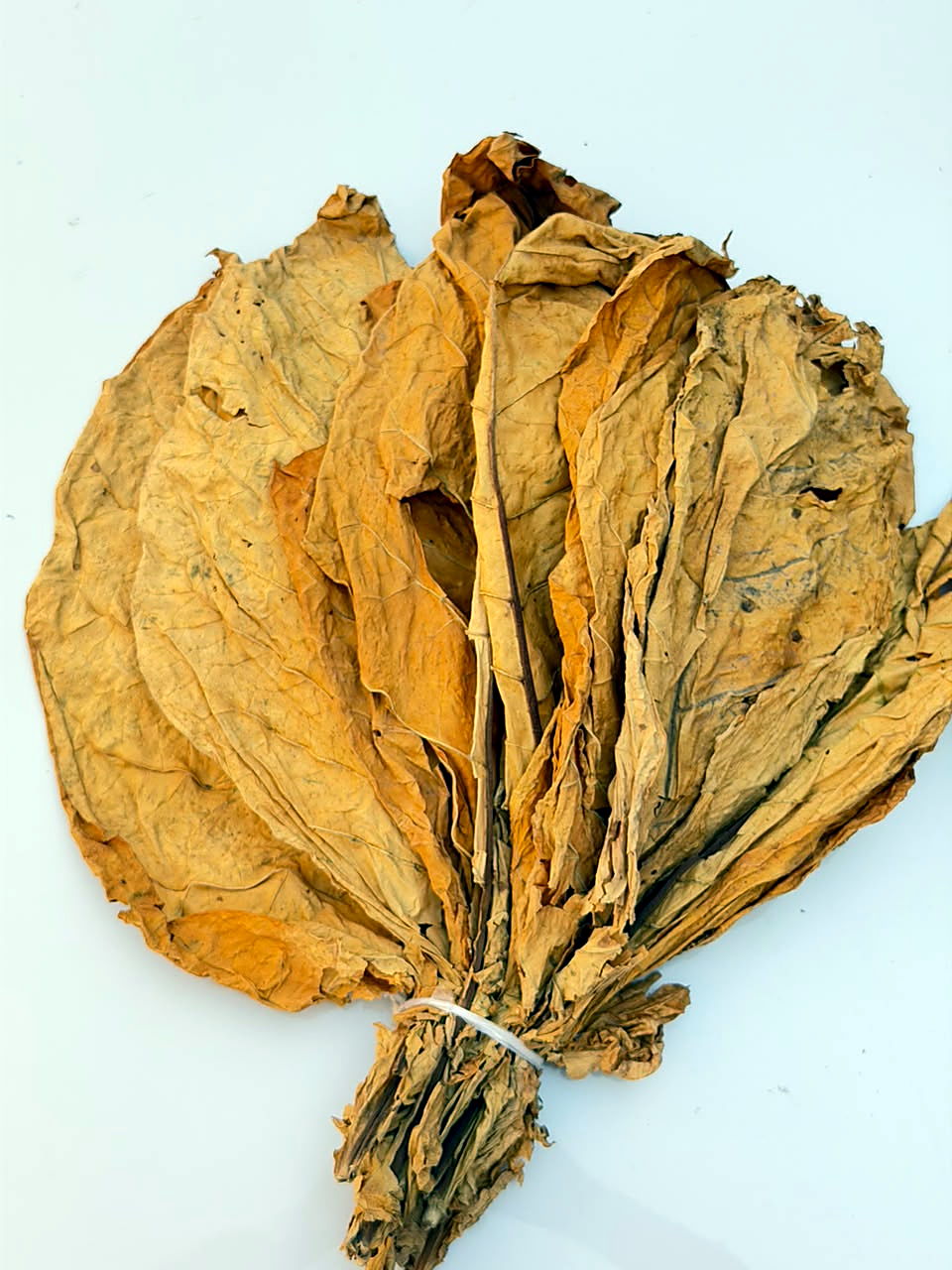
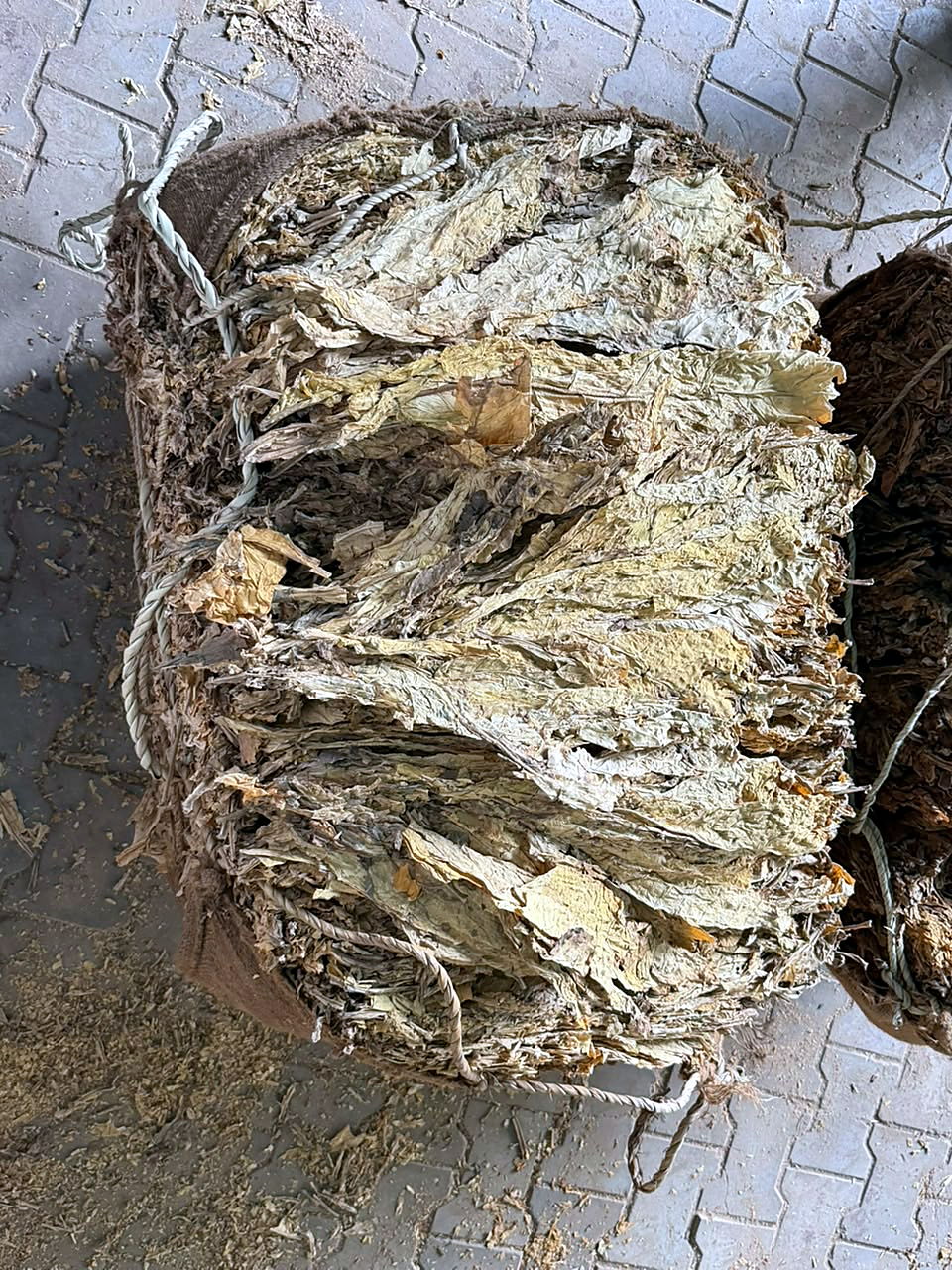
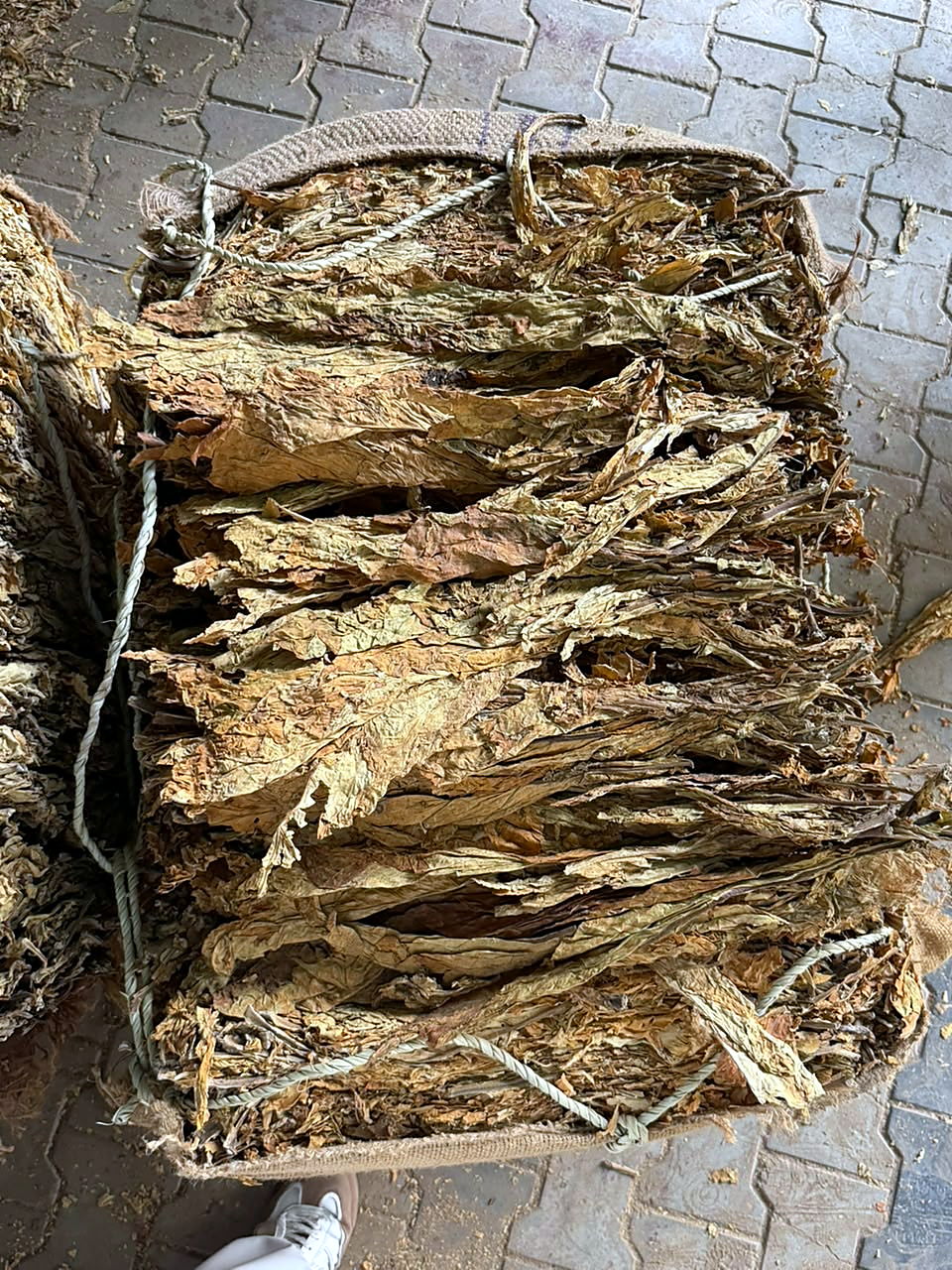
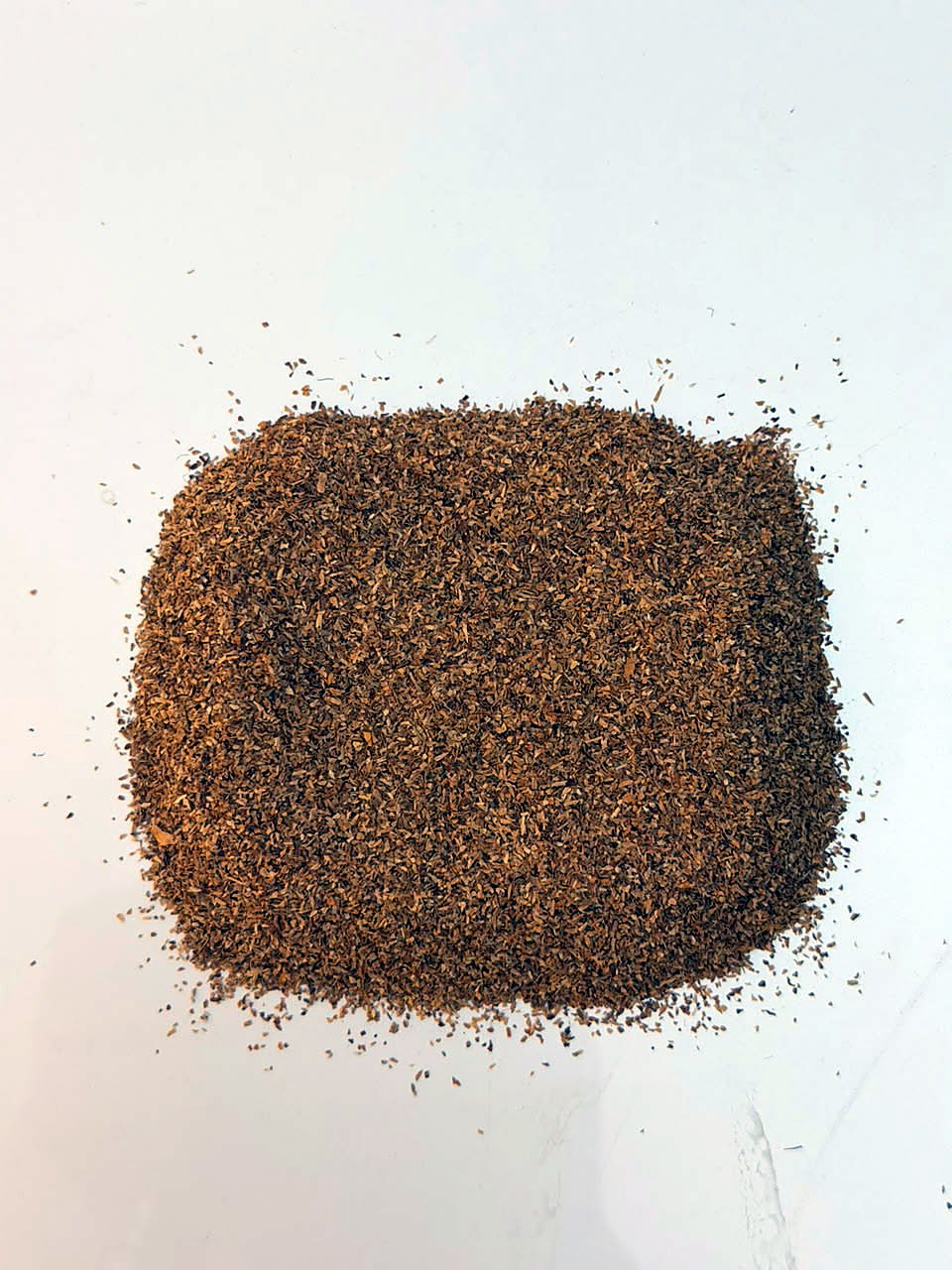
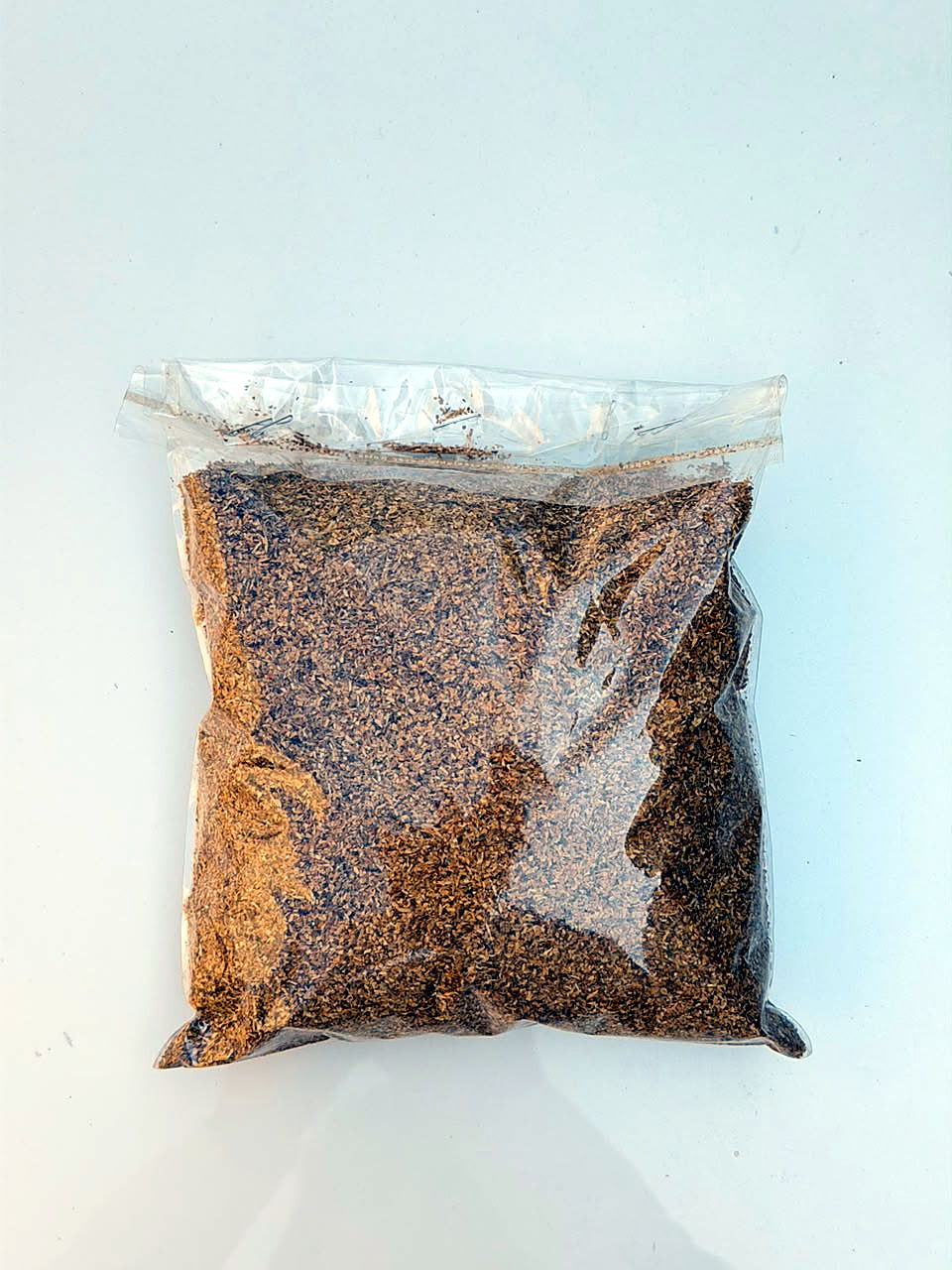
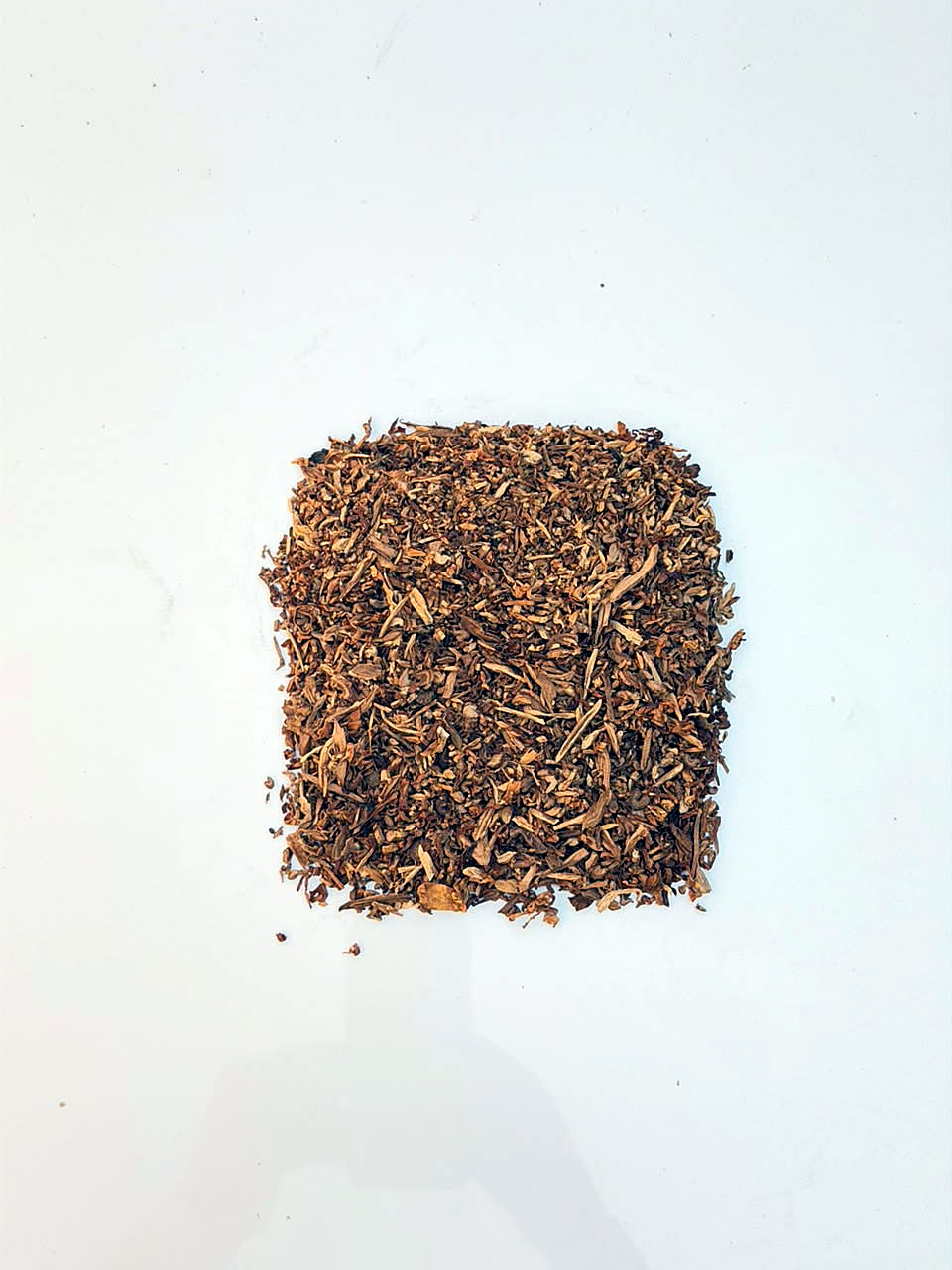
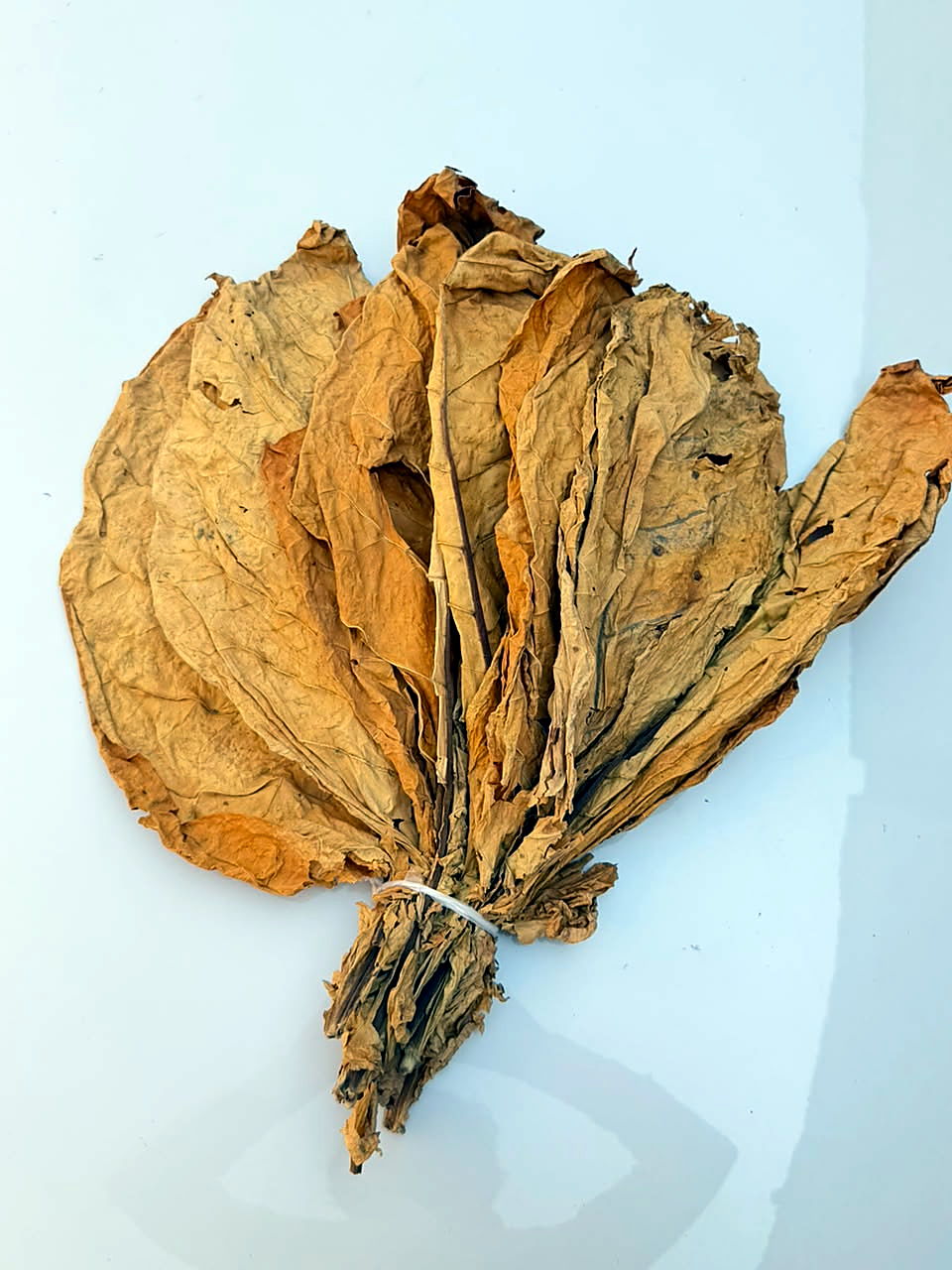
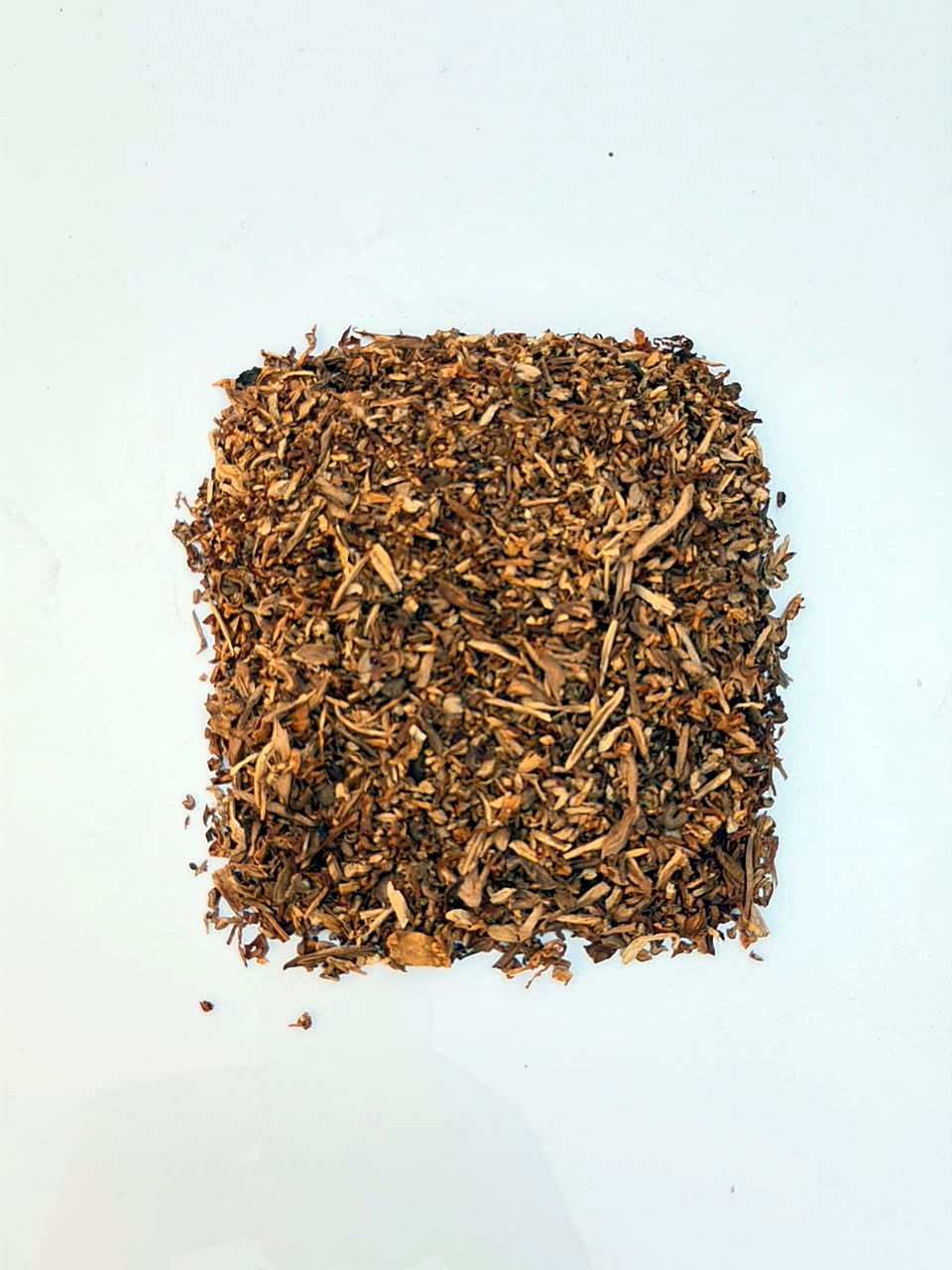
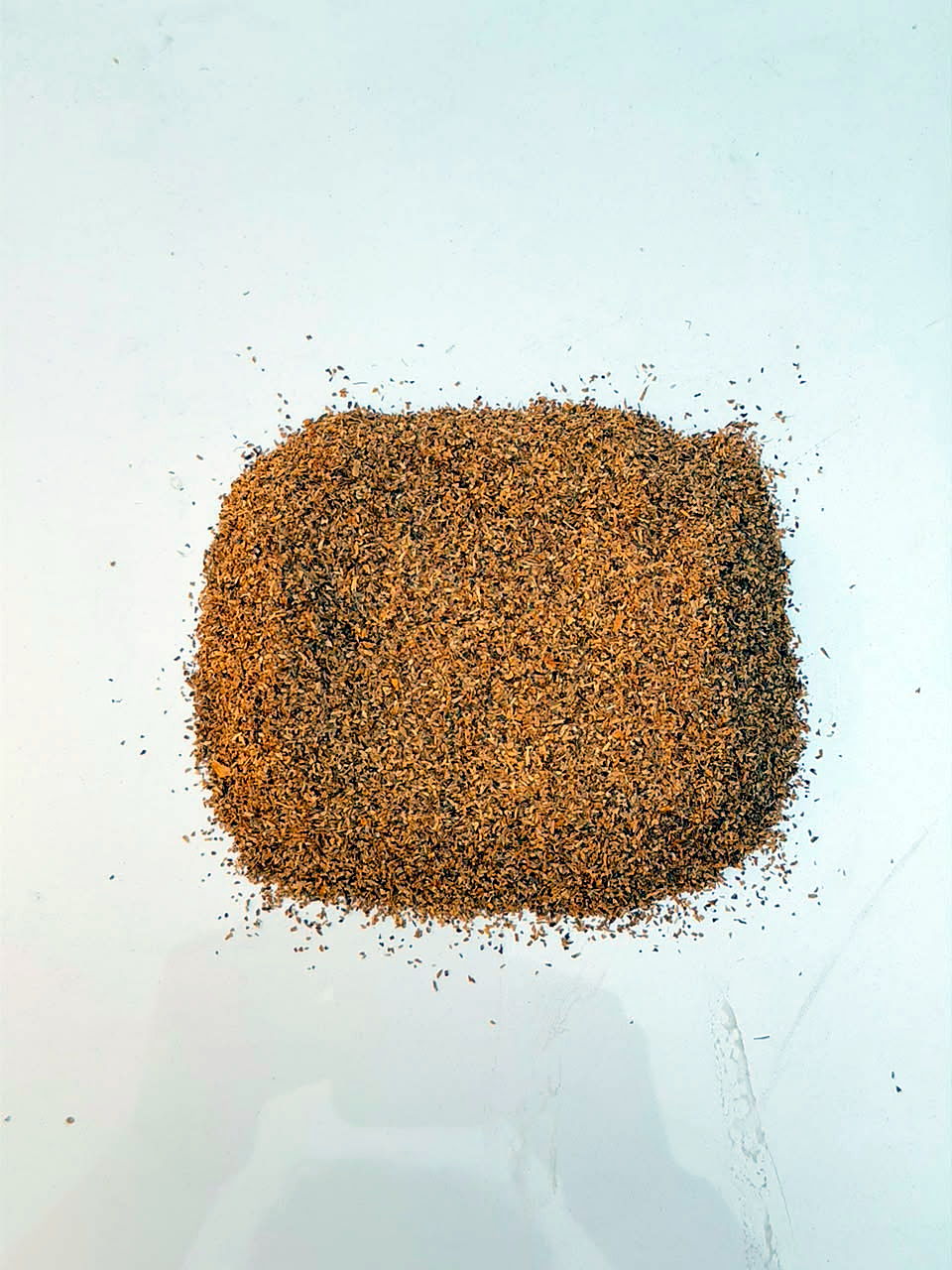
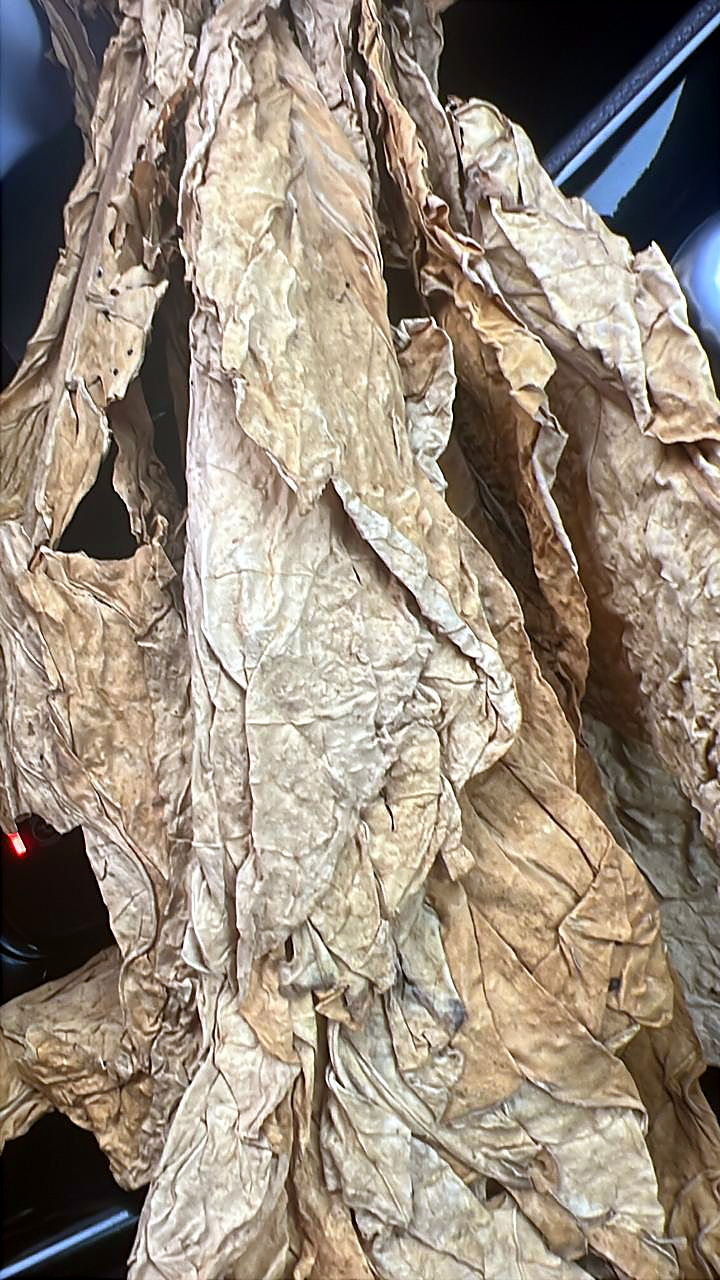
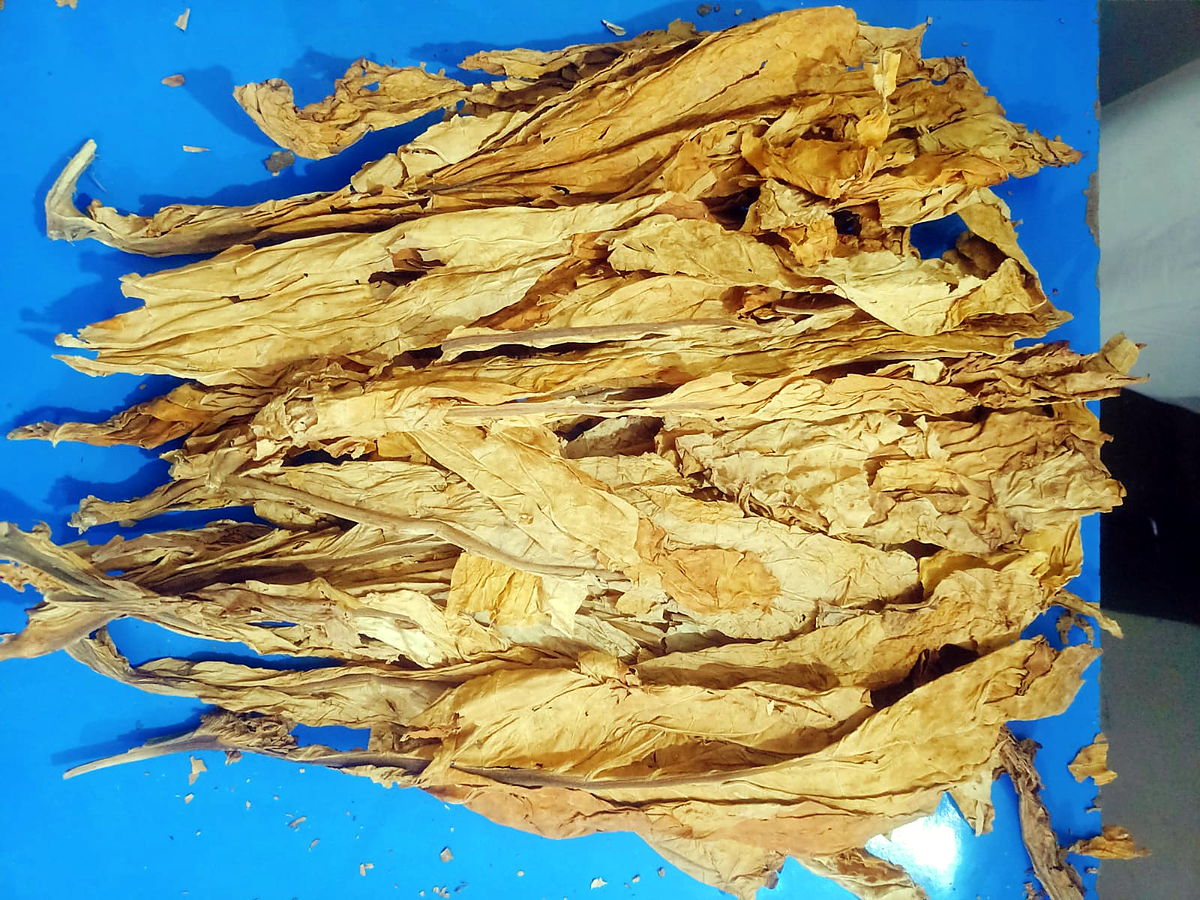
Photographs of the leaf and samples as we handle them. Colour and body vary by stalk position, colour class, crop year and lot; ask for current photographs of the specific lot with your quotation.
Grade and colour compatibility
This processing form is available across the stalk positions and colour classes below. Availability is lot-dependent and confirmed against the current crop year at the time of enquiry.
| Code | Stalk position | Colour range | Nicotine (indicative) | Body |
|---|---|---|---|---|
| P | Primings | Lemon to Lemon-Orange | Low (0.8–1.5%) | Light |
| L | Lugs | Lemon-Orange to Orange | Low–moderate (1.2–2.0%) | Light–medium |
| C | Cutters | Orange to Variegated | Moderate (2.0–2.8%) | Medium |
| X | Smoking Leaf | Orange to Variegated | Moderate–high (2.5–3.2%) | Medium–full |
| F | Leaf | Orange to Red | Moderate–high (2.8–3.5%) | Full |
| T | Tips | Red to Mahogany | High (3.0–4.0%+) | Full–heavy |
Bright yellow. Highest-quality colour. Associated with primings and lugs from well-managed crops.
Yellow-orange. Common in lugs and lower cutters. Good colour development.
Bright orange. Mid-stalk standard colour. Most common commercial colour class.
Mixed orange and red tones. Typical of mid-upper stalk positions.
Deep red-orange. Upper stalk. Higher nicotine associated.
Dark reddish-brown. Tips and sub-mountain leaf. Highest nicotine range.
Green tones indicating incomplete curing or early harvest. Lower commercial value.
Dark or mixed colour. By-product grades and lower-quality lots.
Frequently asked questions
Whole leaf is cured flue-cured Virginia leaf that has not been stemmed or threshed: the midrib and both halves of lamina are intact, and the leaf has been graded by stalk position and colour and pressed into C48 cartons. It is the least-processed commercial form and the one that gives a buyer with its own threshing or stemming line the most control.
Typically around a quarter of cured leaf weight, and more on heavier upper-stalk leaf such as leaf and tips. The midrib comes out in your plant as stem, a by-product with its own lower value, so compare whole-leaf offers on the cost per kilogram of usable lamina rather than the price per kilogram of leaf.
Not as packed. Whole leaf has been conditioned to packing moisture but not redried, so it has a working shelf life: keep it cool, dry and off the floor, inspect for insects on receipt, and process it within the season. If you must hold it for months, redry it on arrival to bring the moisture down and stabilise it.
All six: primings, lugs, cutters, smoking leaf, leaf and tips, each packed in C48 cartons as one position and one colour class unless a mixed lot is agreed. Nicotine rises up the stalk within the indicative bands published on the grades page, and the values for your lot are confirmed by laboratory analysis before shipment.
A receiving line that can condition the leaf, a threshing line or stemming line to separate lamina from midrib, classifiers to remove fines, a redryer if the lamina will be stored, and warehouse space for unredried C48 cartons. Plants without those stages should buy stemmed lamina or threshed strips instead.
To buy FCV tobacco in bulk, click here to request a quotation.
In C48 cartons of about 140–200 kg net, packed in C48 cartons and labelled with grade, colour, crop year, lot reference and net weight. A 20 ft container carries roughly 15–20 MT and a 40 ft about 15–20 MT. carton or bag weight, liner and labelling can be specified by the buyer.
Send the stalk positions and colour classes, chemistry targets and moisture range, C48 carton weight and packaging, quantity in containers, destination port and delivery window through the request-a-quote form. FCVTOBACCO.com replies to verified commercial buyers with availability from the current crop year and the achievable values, quoted FOB, shipped to any port (loading at Karachi or Port Qasim).
Related information
Watch the leaf
See it move before you ask for samples
Short clips filmed in our store, on the grading floor and on the processing line. Whole leaf, cut leaf, strips, stems and sample bags, exactly as buyers see them before a container is packed.
Now playing · Golden flue-cured Virginia whole leaf
Contact sheet · real photographs
Our leaf, as we handle it
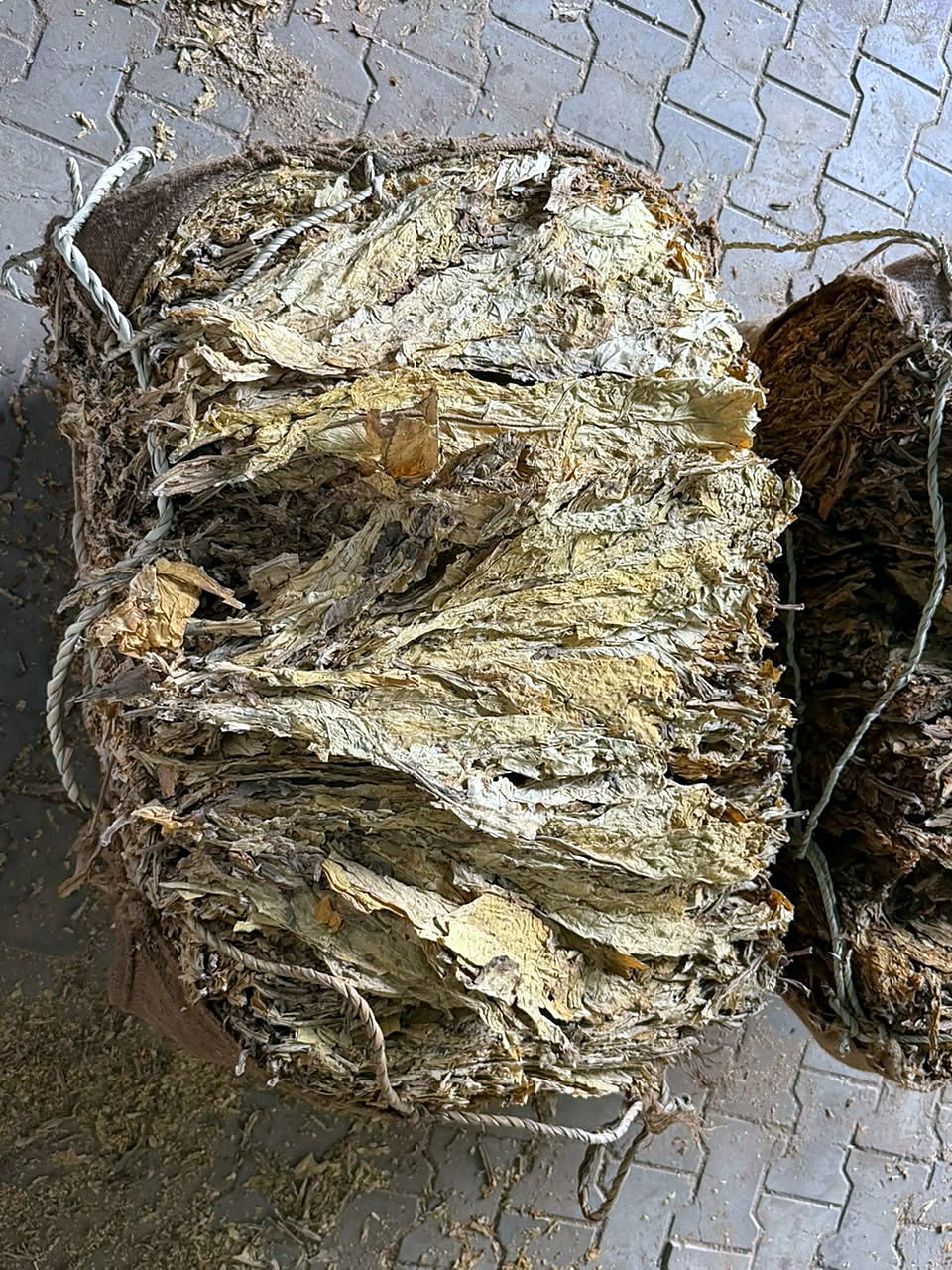
Whole leaf, hands of leaf, strips, fines and sealed samples from our own stock. See all 37 photographs.
Buyer feedback
What buyers say about working with us

Very Professional Company, for FCV tobacco a must considering company with a huge variety of Tobacco Leaves to buy for our brand of cigerettes.
Reply from FCV TobaccoThank you, Elena. Variety is exactly what we build our grade list around, so it is good to hear it made the selection for your brand easier. We look forward to the next lot.
Read on Google →
A very good company to work with. They are professional, reliable, and always deliver on time. Working with them has been a great experience, and I truly appreciate their commitment and service.
Reply from FCV TobaccoThank you, Shehzad. Delivering on the agreed window is something we take seriously, and we appreciate you saying so. Always a pleasure working with your team.
Read on Google →
Professional Company - Highly Recommended for FCV Tobacco in bulk. We are dealing with them for a long time.
Reply from FCV TobaccoThank you, Mehak. Long-standing relationships like yours are the best recommendation we could ask for. We appreciate your continued trust in our FCV supply.
Read on Google →كانت تجربتي مع خدمة العملاء ممتازة. التواصل كان سريعًا ومحترفًا، وتم التعامل مع الطلب والاستفسارات بوضوح واهتمام، ووصل كل شيء بشكل منظم كما توقعت.
Translated from Arabic: My experience with the customer service was excellent. Communication was fast and professional, the order and enquiries were handled clearly and attentively, and everything arrived well organised, as I expected.
Reply from FCV TobaccoThank you very much for your kind review. We appreciate it.
Read on Google →