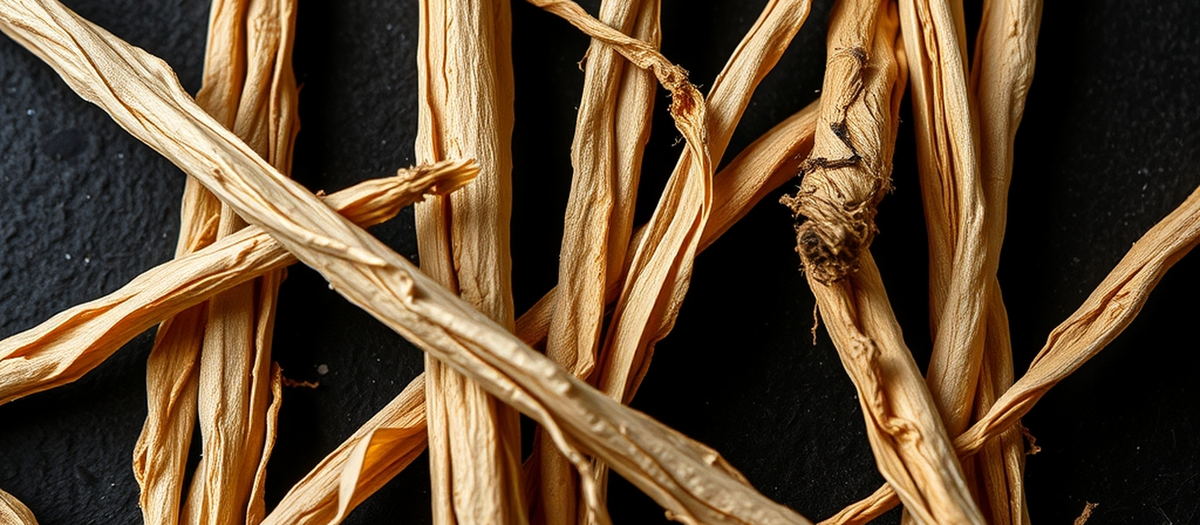
Processing form
FCV tobacco stems and midribs
FCV tobacco stems and midribs are the central ribs of flue-cured Virginia leaf, separated from the lamina during stemming or threshing and sold in bulk as a by-product. They are the raw material for reconstituted tobacco sheet, expanded-stem products and extracts, and they are bought by manufacturers and processors rather than blenders. FCV Tobacco Limited supplies them from its Khyber Pakhtunkhwa crop in full-container lots on FOB terms.
Enquire
Send a specification and receive availability against the current crop year.
WhatsApp our team Or send a written specification →MOQ 1 container (20 MT minimum) · FOB terms, shipped to any port · 50% advance, 50% on FOB

What tobacco stems and midribs are
Every tobacco leaf has a midrib, the thick central vein that runs from the butt to the tip and carries the finer lateral veins. In the leaf trade the midrib is called the stem once it has been separated from the lamina, and stems are a by-product of every stemming and threshing operation. They are woody, dense and pale, lower in nicotine than the lamina they supported, and they make up a substantial share of cured leaf weight, typically around a quarter and more on heavy upper-stalk leaf.
Stems are not waste. They are an industrial raw material with their own uses and their own market, and buying them in bulk from an origin is a normal part of supply for the manufacturers that use them. What this page describes is the stem stream from Pakistan flue-cured Virginia leaf, how it arrives, what it is used for, and how to specify it.
How stems are separated and what condition they arrive in
Stems come from two operations. Hand stemming pulls the midrib out of each conditioned leaf whole, giving long, intact stems with little lamina attached. Threshing tears the leaf apart and separates stem from lamina in classifiers, giving stems that are broken to shorter lengths, with a small share of lamina still attached and some stem pieces lost to the lamina stream.
The stems are then conditioned to packing moisture and packed. Because stem is dense and dries slowly, its moisture on arrival deserves attention; stems packed too wet mould in the middle of a C48 carton where it is hardest to see. Colour, length distribution and lamina-in-stem depend on the operation they came from, and a buyer whose process is sensitive to any of them should specify it rather than assume it.
Uses: reconstituted sheet, expanded stems, extracts
The largest use is reconstituted tobacco. In a paper-type reconstitution process the stems, together with fines and dust, are ground, extracted with water, formed into a sheet on a paper machine, and the extract is re-applied to the sheet, which is then cut and blended into cigarettes. Stems supply fibre and, in the extract, tobacco solubles. A second use is expanded stems: stems are cut and rolled, then expanded with steam or another agent to increase their filling power, and used directly as a blend component that reduces the weight of lamina needed per cigarette. A third is extraction, where stems are a low-cost source of tobacco solubles and nicotine for products that use extracts.
Each use has its own preferred stem: reconstitution is tolerant of short, broken stem; expansion prefers longer, cleaner stem that cuts well; extraction cares about chemistry more than shape. Say which use you have and the commercial team can describe the stem stream that fits.
Stem chemistry versus lamina
Stems differ from lamina in several ways that matter to a process. Nicotine is substantially lower, commonly a fraction of the lamina figure from the same leaf, and it varies with stalk position as lamina does, rising from primings to tips. Sugars are lower, fibre is higher, and mineral content, including chloride, tends to be concentrated, which affects burn in expanded-stem products. Moisture behaviour differs too: stems take up and give off water more slowly than lamina.
A stem specification therefore uses different reference points from a lamina specification. Ask for nicotine and moisture as standard, and add chloride, ash or other measures if your process needs them. Analysis is per lot, to CORESTA methods where they apply, and stated on the certificate of analysis. Published lamina bands do not describe stems; treat stem chemistry as lot-specific.
Specifying stems: moisture, size, lamina-in-stem, foreign matter
Moisture at packing, with a tolerance, is the first item, because wet stems spoil and dry stems shatter. Length or size distribution is the second, described by sieve or by a simple length classification, and driven by whether the stems came from hand stemming or threshing. Lamina-in-stem, the share of leaf still attached, is the third; a reconstitution buyer may welcome it, an expanded-stem buyer may not. Foreign matter and non-tobacco material should be nil, since a stem stream can carry string, sand and C48 carton debris that classifiers missed.
Add the stalk positions if your process is sensitive to them, since stems from tips and stems from primings behave differently, and the crop year for consistency across deliveries. State the packaging you can handle and the labelling your warehouse needs.
Availability: stems follow the stemming season
Stems are produced when leaf is stemmed or threshed, so their availability follows the processing season that follows the crop. Priming runs through the summer, curing and grading through late summer, and stemming and threshing from then into the export season in the final quarter. Buyers with steady year-round demand should plan programmes with the commercial team against that calendar rather than expect stock at any time. Volumes track the lamina programmes they come from.
Packaging and containers for stems
Stems are normally pressed into C48 cartons of about 140–200 kg net, wrapped in C48 cartons or jute bags and sealed, and labelled with grade, crop year, lot reference and net weight. Stem is denser than lamina, so container payload depends on how tightly C48 cartons are pressed; confirm the expected tonnage per 20 ft or 40 ft container when the quotation is prepared rather than assuming the lamina figures. Custom C48 carton weights and labelling are available with a one-container minimum.
Storage and handling
Keep stem C48 cartons dry, off the floor and ventilated. Because stems are dense, moisture problems show late and in the middle of the C48 carton, so probe rather than only inspect the surface. Stems attract the same storage insects as lamina and should be inspected on receipt and fumigated under your own country's rules when needed. Dust is generated in handling and cutting; manage it as you would any tobacco dust.
Price logic for by-products
Stems are priced well below lamina, as a by-product with a defined industrial value, and the price moves with the demand from reconstitution and expanded-stem plants and with the cost of the lamina programmes that generate them. Freight is a larger share of the landed cost than for lamina because the material is cheaper per tonne, which favours full containers and dense pressing. Ask for a quotation against a written specification and quantity; the catalogue shows indicative price bands: FCV 8–10 USD/kg, scraps 4–5 USD/kg FOB, volume-dependent.
Ordering stems and midribs
State the use, the moisture range, the size or length requirement, the acceptable lamina-in-stem, the positions if they matter, the packaging and labelling, the quantity in containers, the destination port, the Incoterm and the delivery schedule, and whether you will nominate a laboratory or an inspection company. Send it through the quotation form; the reply confirms availability against the processing season and the achievable specification, lot by lot, on FOB terms at Port Qasim or Karachi with the standard export documentation.
FCV Tobacco Stems and Midribs — Separated During Stemming
FCV tobacco stems and midribs are the central rib structures removed from Flue-Cured Virginia Tobacco leaves during stemming operations. The midrib is the main vein running through the centre of the tobacco leaf. When the midrib is removed during stemming, the resulting material is classified as stems and midribs.
Tobacco stems and midribs are distinct from tobacco scrap and fines. Stems and midribs are fibrous, woody material — the structural rib of the leaf. Scrap and fines are small lamina-based fragments produced during threshing and stemming. They are distinct materials with different physical properties and industrial applications.
Tobacco stems and midribs are used in reconstituted tobacco sheet manufacturing, expanded stem applications, tobacco extract production, and as a component in certain industrial tobacco processing applications. They are intended for qualified commercial buyers with appropriate industrial processing capabilities.
Specifications for stems and midribs are lot-specific and depend on the source material and processing method. Chemical parameters including moisture and nicotine are confirmed by laboratory analysis per lot. Buyers should request current specifications and commercial terms before ordering.
FCV Tobacco Limited supplies tobacco stems and midribs to verified commercial buyers including licensed manufacturers, processors, and industrial buyers. All buyers are subject to verification before any transaction proceeds.
FCV Tobacco supports delivery of tobacco stems and midribs to major commercial ports in Belgium, Poland, Italy, Spain, the Netherlands, Germany, France, Portugal, Greece, Romania, Bulgaria, Croatia, Slovenia, Lithuania, Latvia, Estonia, and other legally permitted destinations worldwide. Delivery availability depends on the destination, applicable import regulations, buyer documentation, product availability, and available shipping routes.
| Parameter | Value |
|---|---|
| Product Form | Stems and midribs (separated during stemming) |
| Origin | Pakistan (Khyber Pakhtunkhwa) |
| Tobacco Type | Flue-Cured Virginia (FCV) |
| Source | Stemming operations (midrib removal) |
| Moisture | Lot-specific; confirmed by lab analysis |
| Nicotine | Lot-specific; confirmed by lab analysis |
| Packaging | Subject to product type and order requirements |
| MOQ (Land) | 20 Metric Tons |
| MOQ (Sea) | 1 container (20 MT) |
| Incoterm | FOB shipped to any port |
Typical Use Cases
- Reconstituted tobacco sheet manufacturers requiring FCV stems and midribs as a raw material input
- Expanded stem producers sourcing bulk FCV midrib material
- Tobacco extract producers sourcing bulk FCV stem material
- Industrial buyers incorporating stems and midribs into tobacco processing applications
Tobacco stems and midribs availability depends on processing output, crop year, and current stock. Availability depends on the requested specification and shipment volume. Contact us with your requirements for a current availability and price indication.
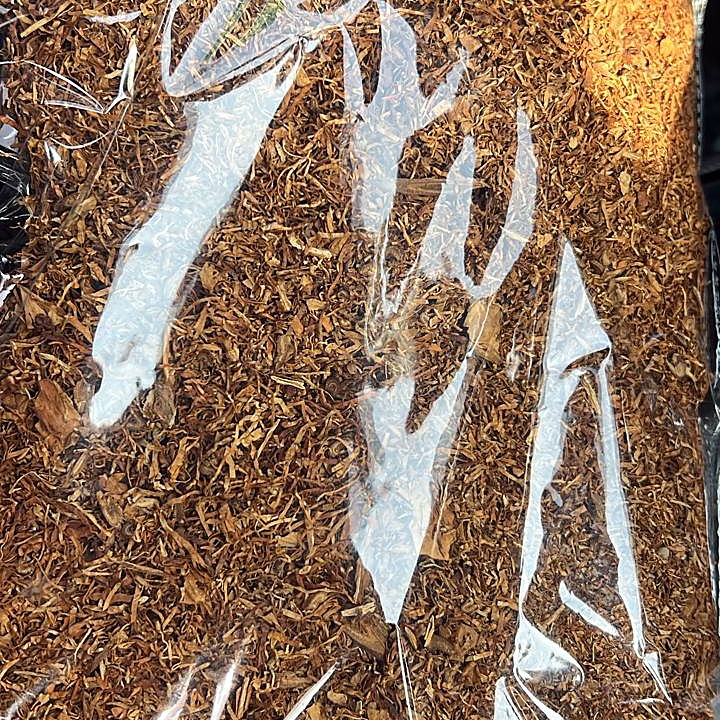
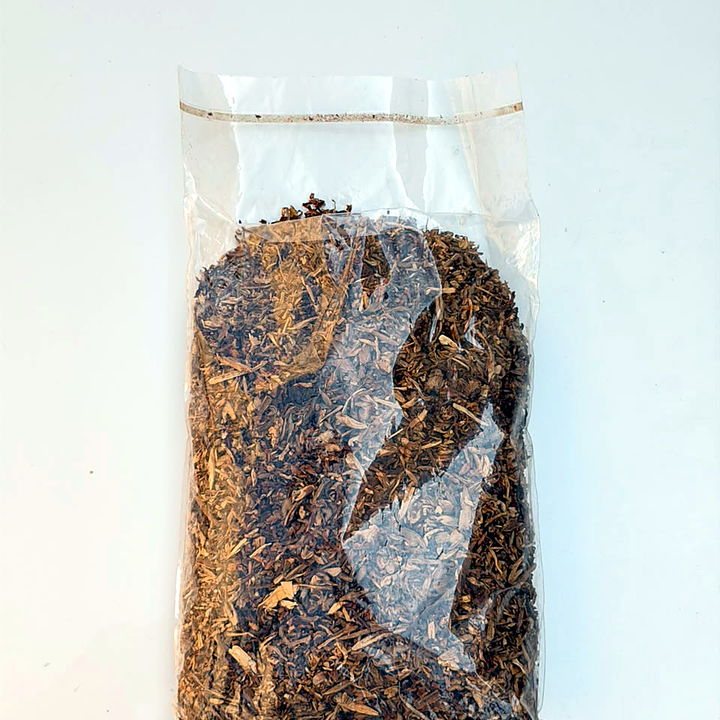
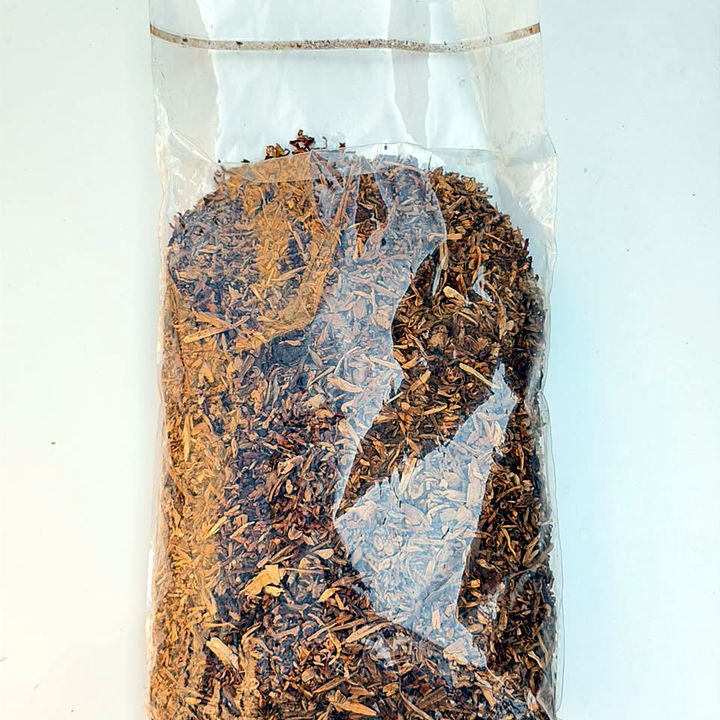
From our stock
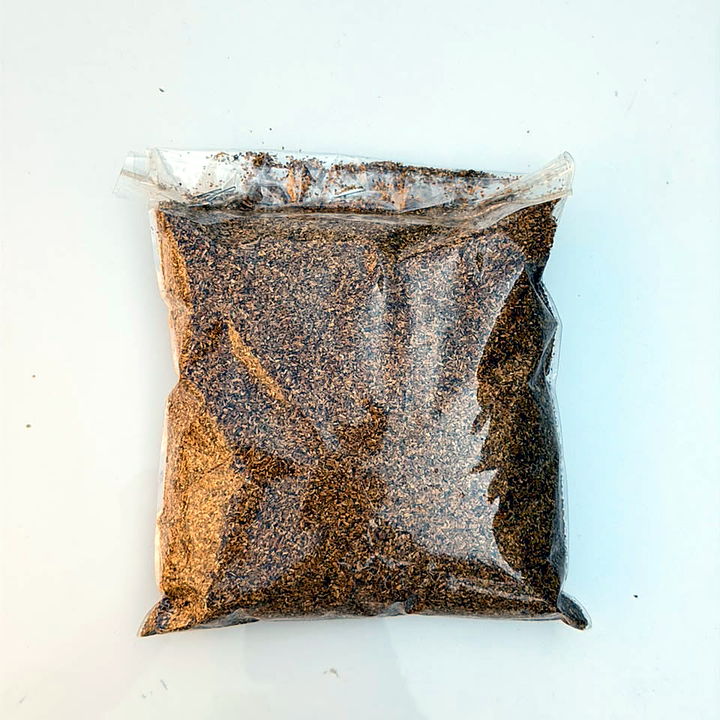
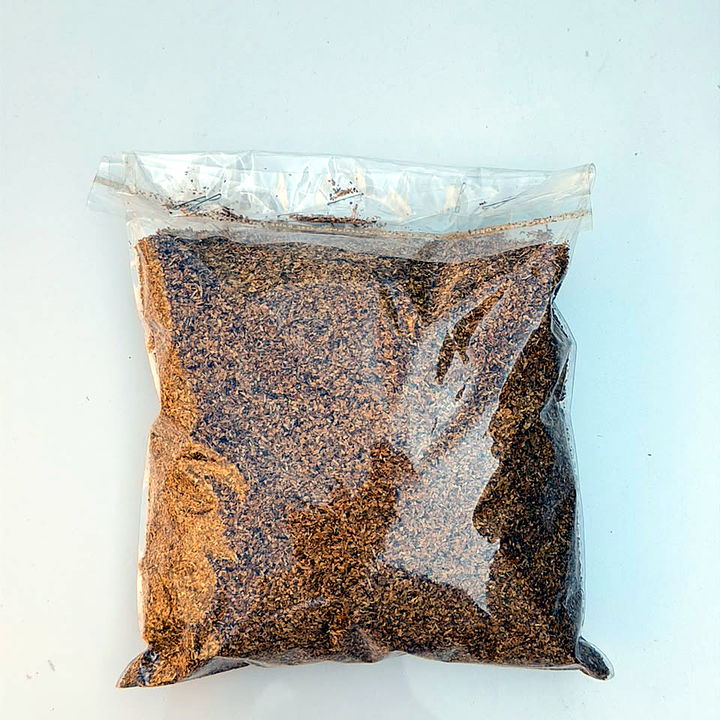
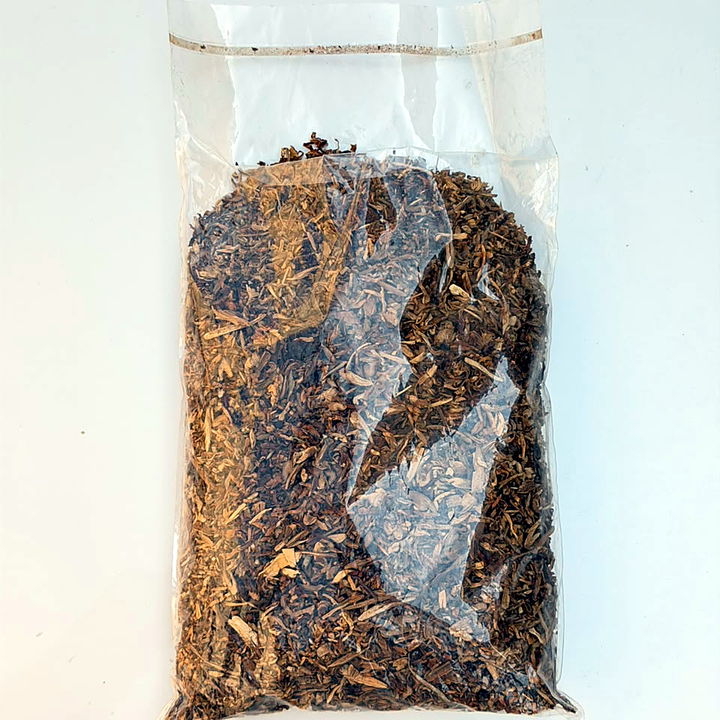
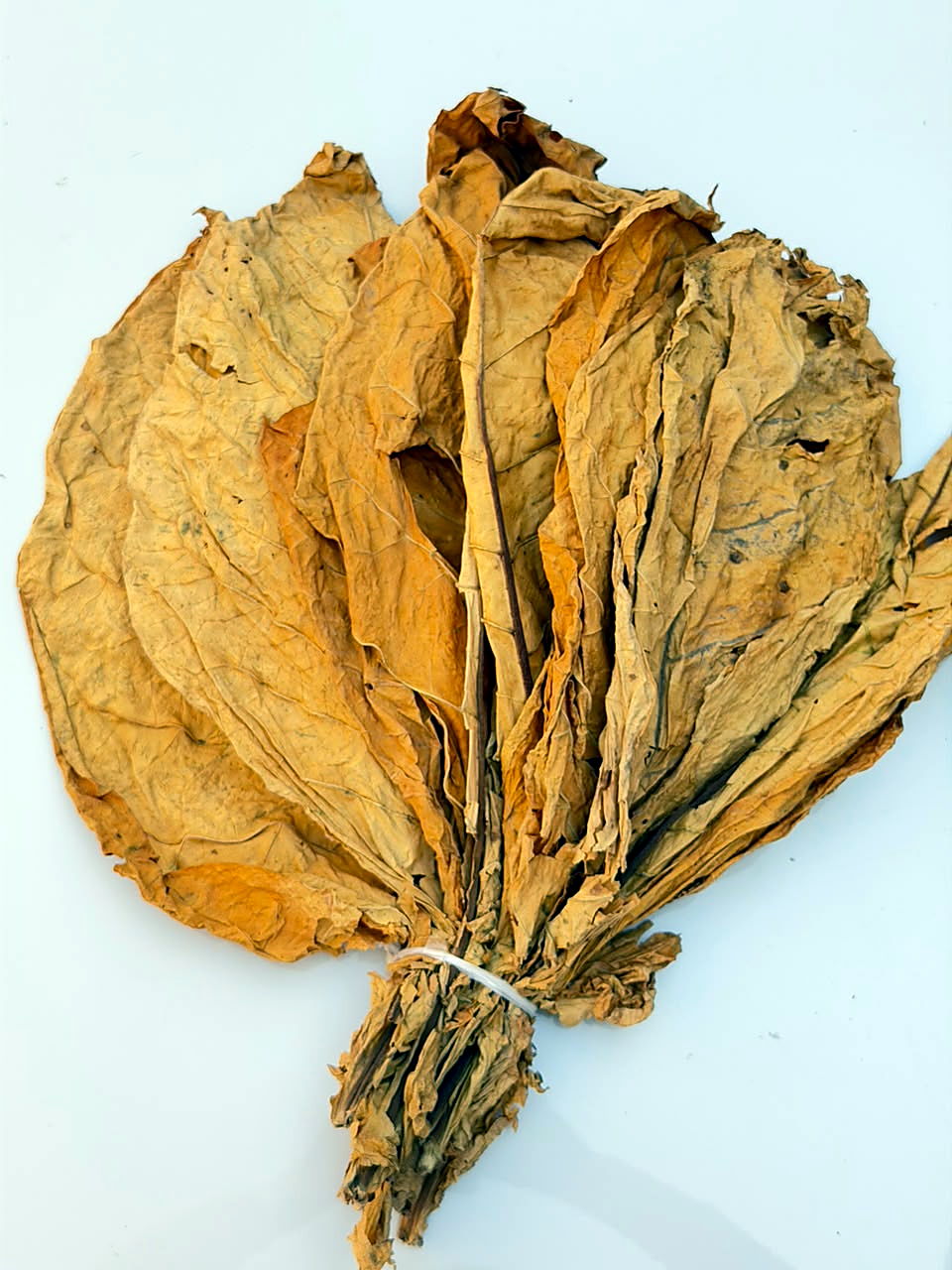
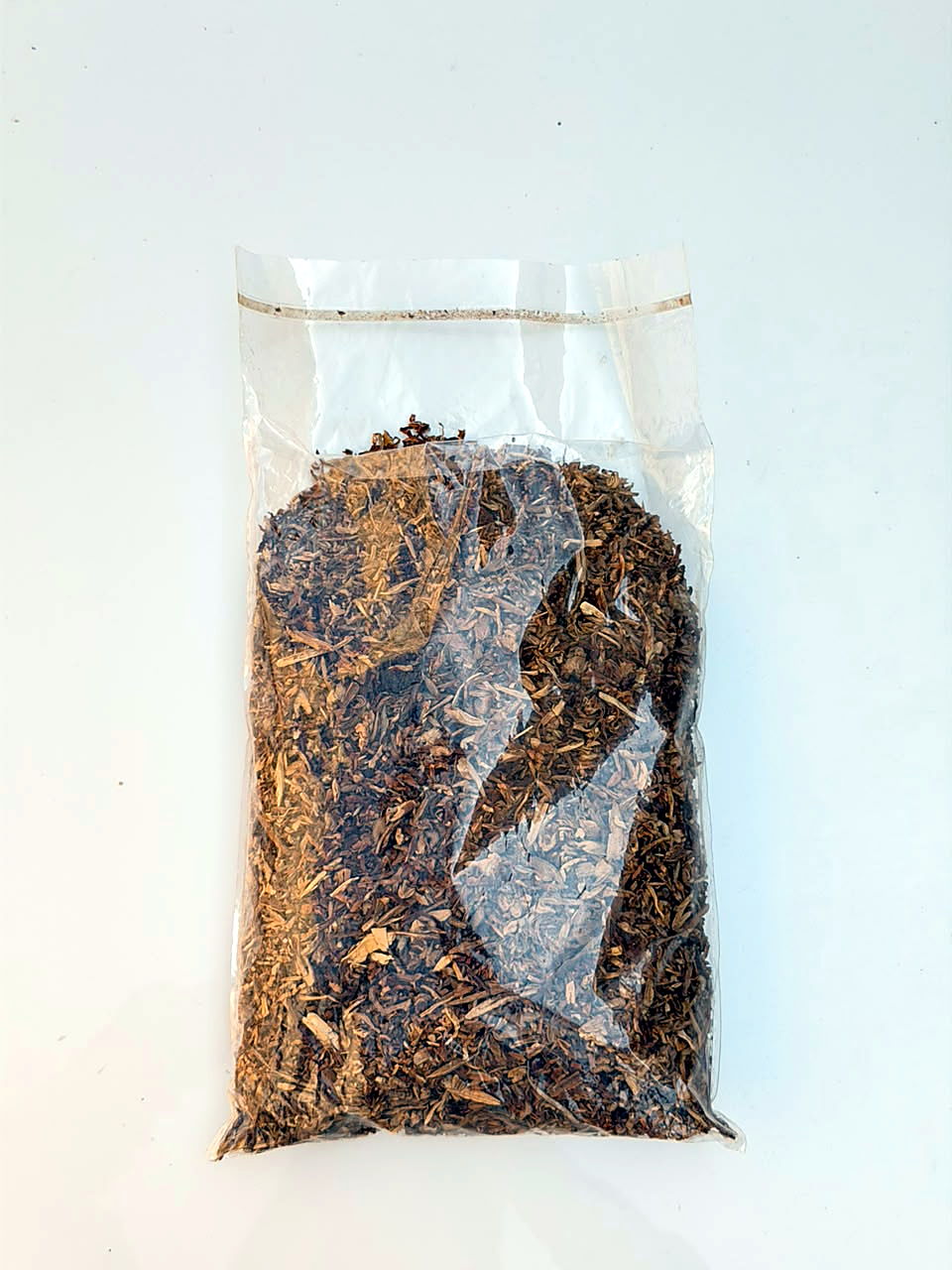
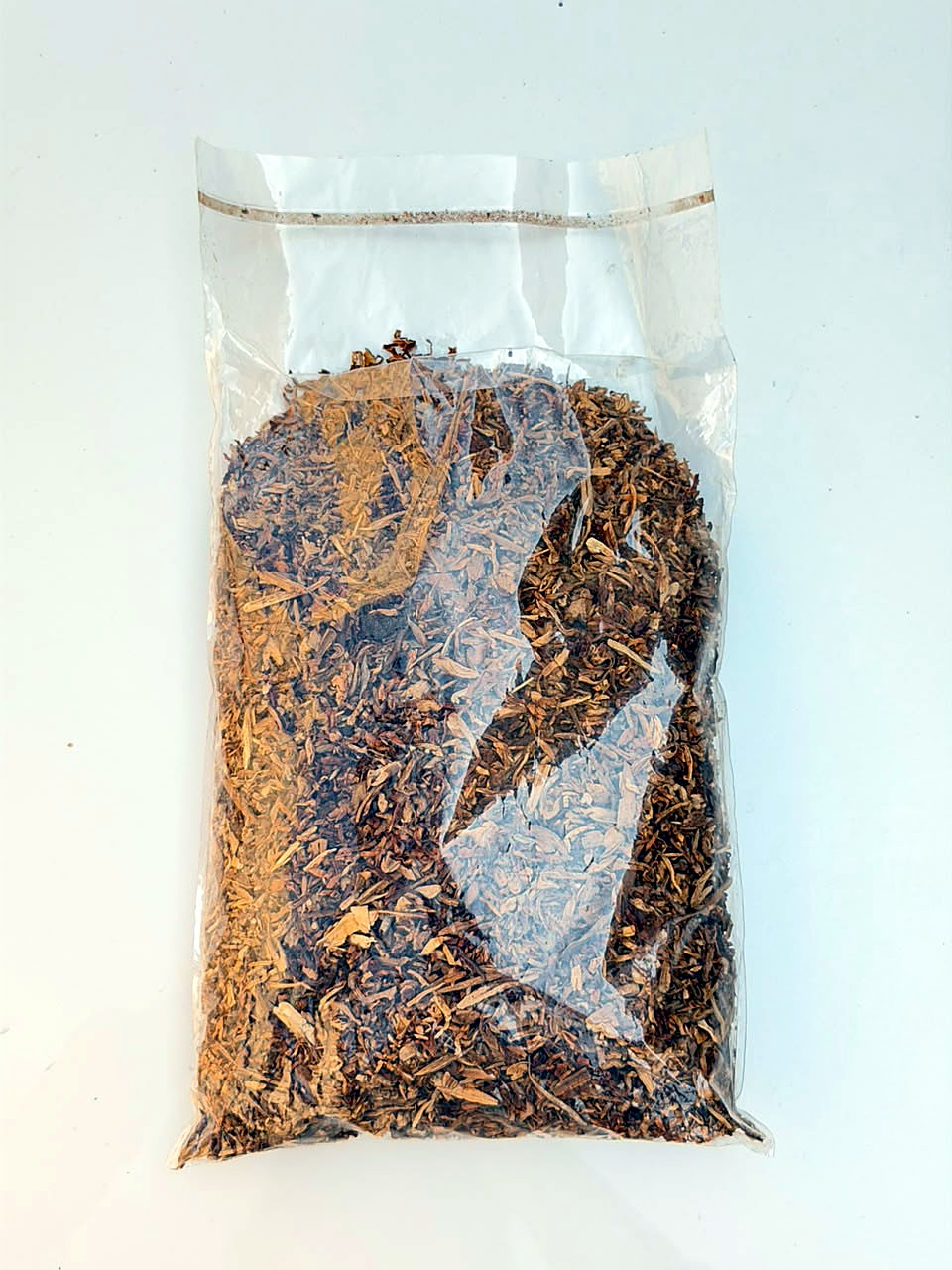
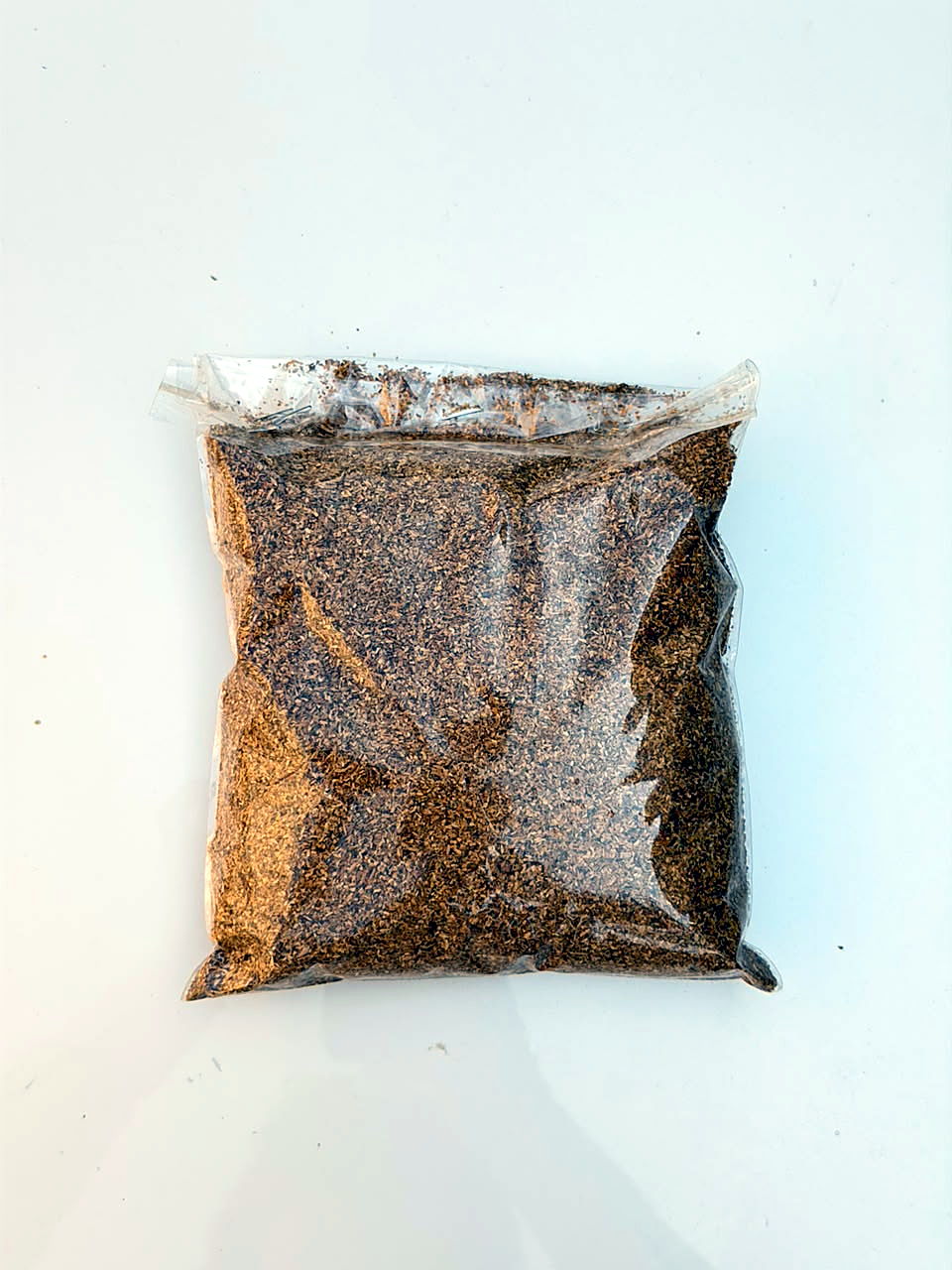
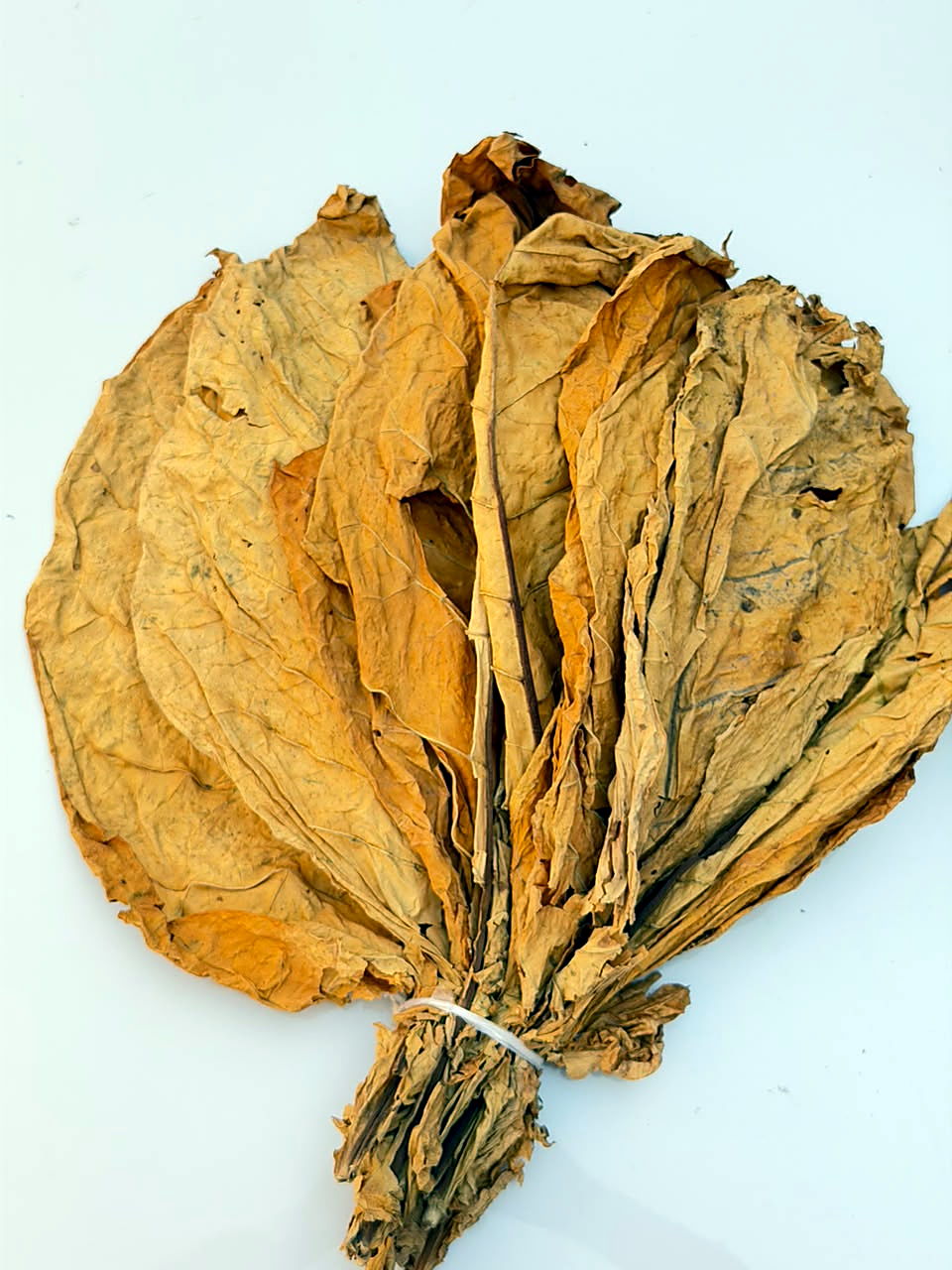
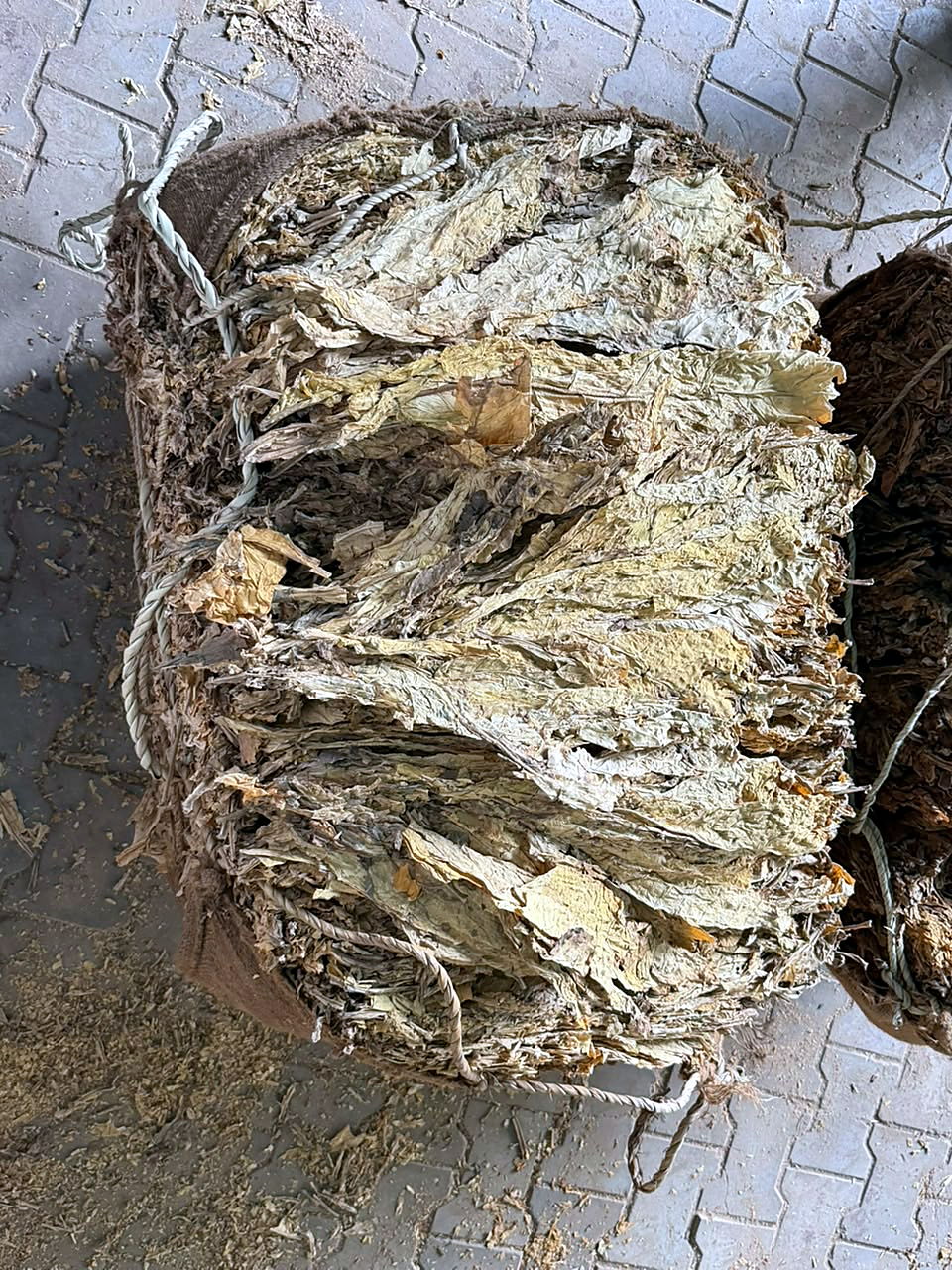
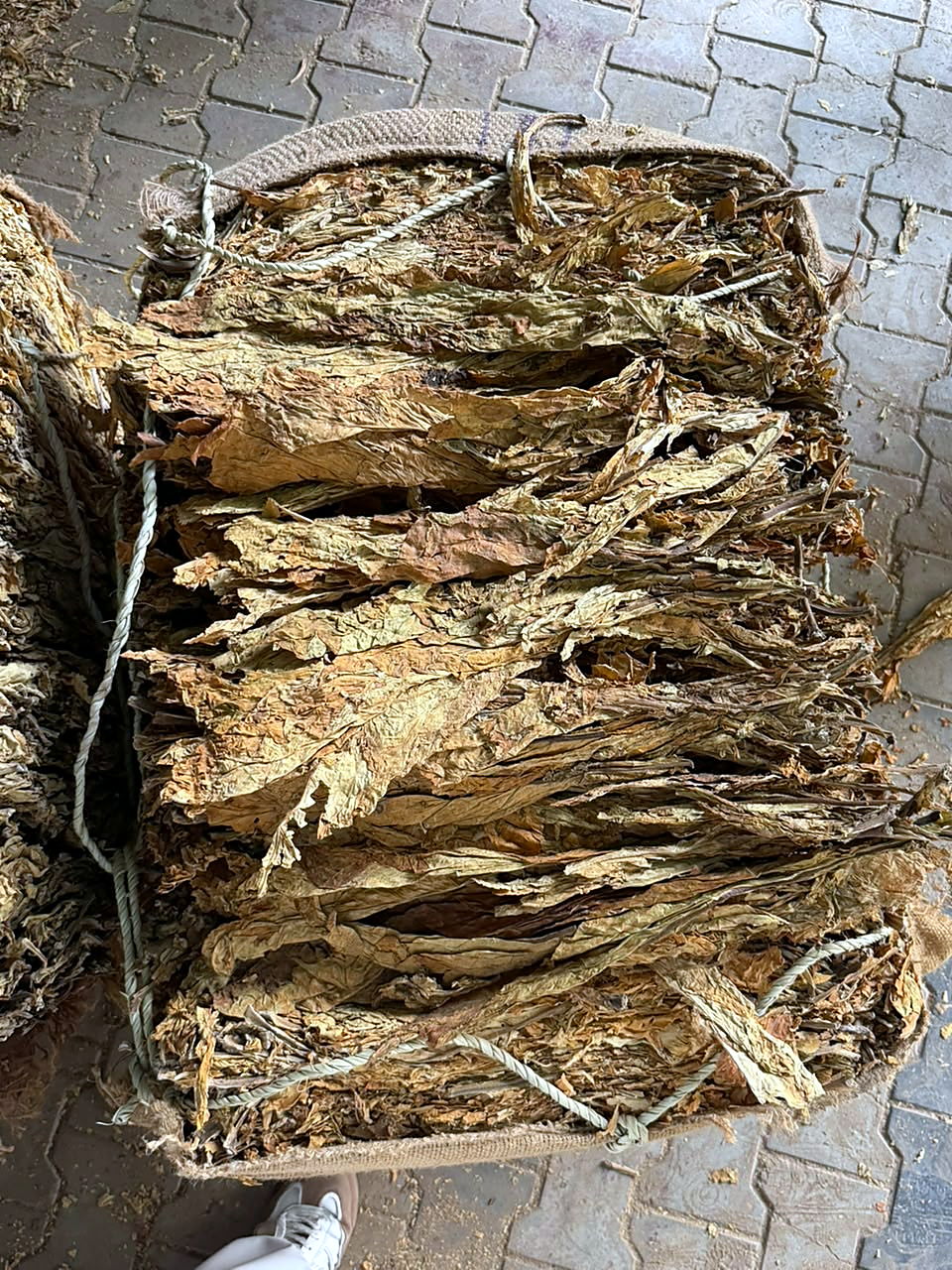
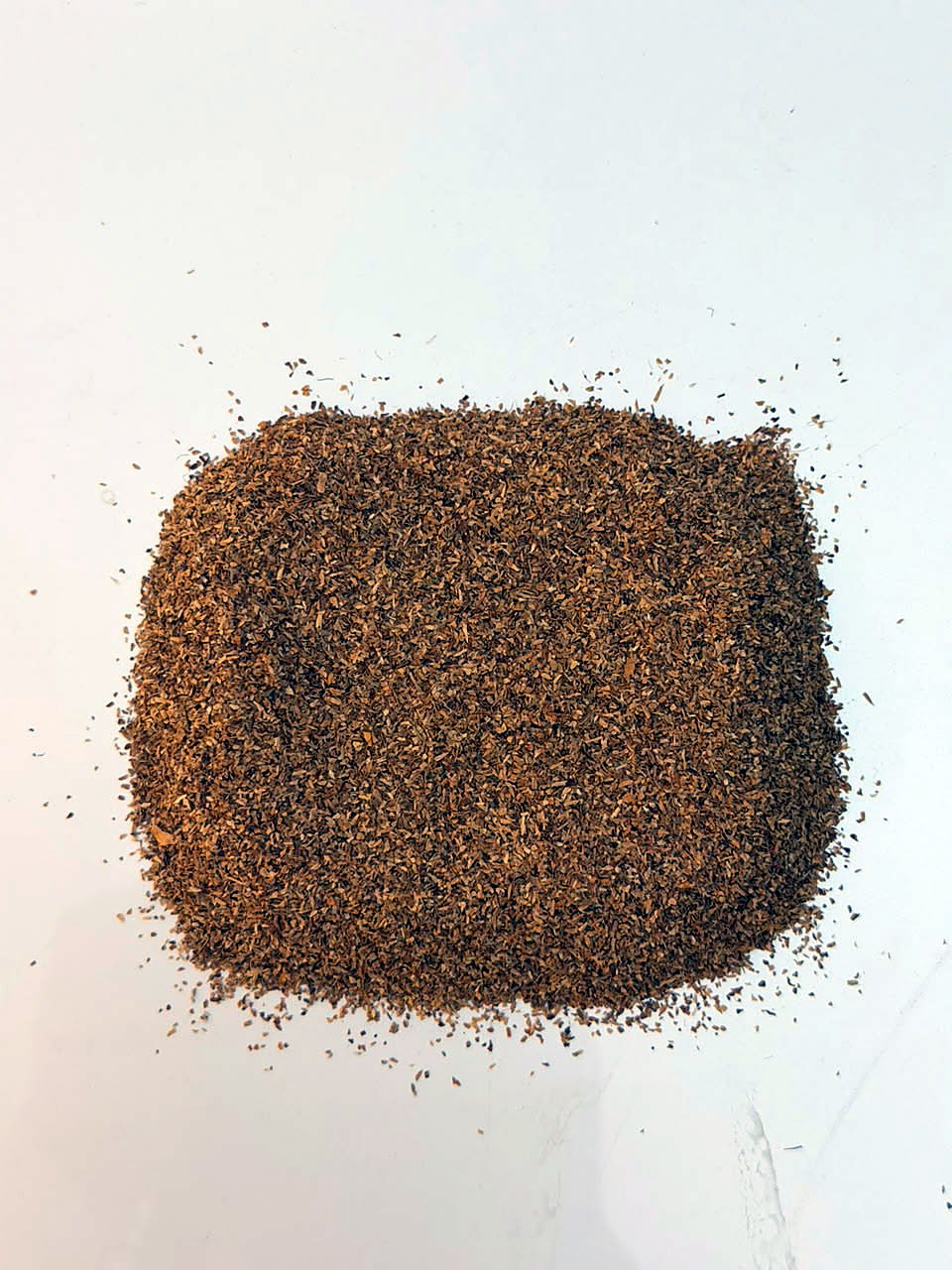
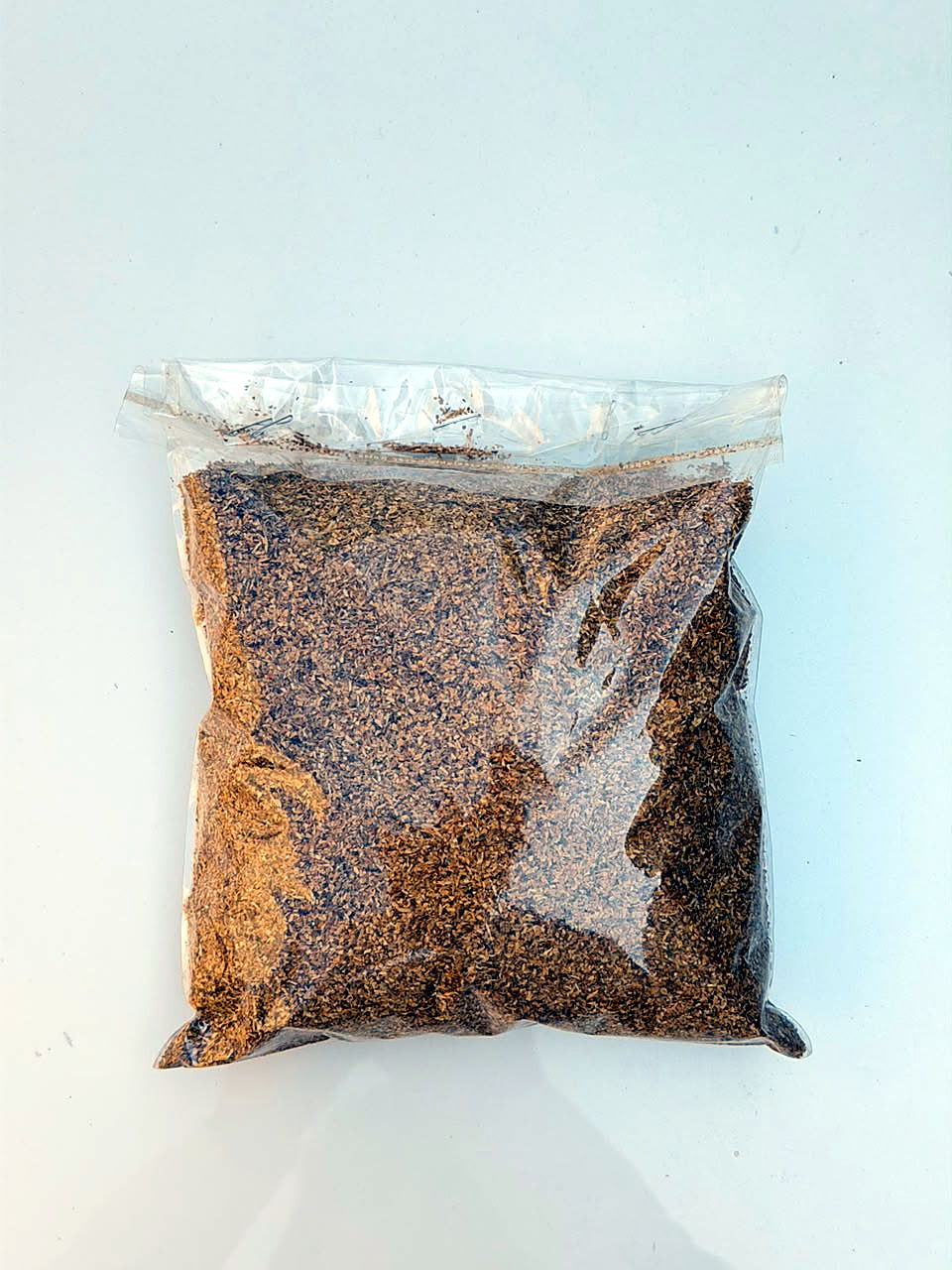
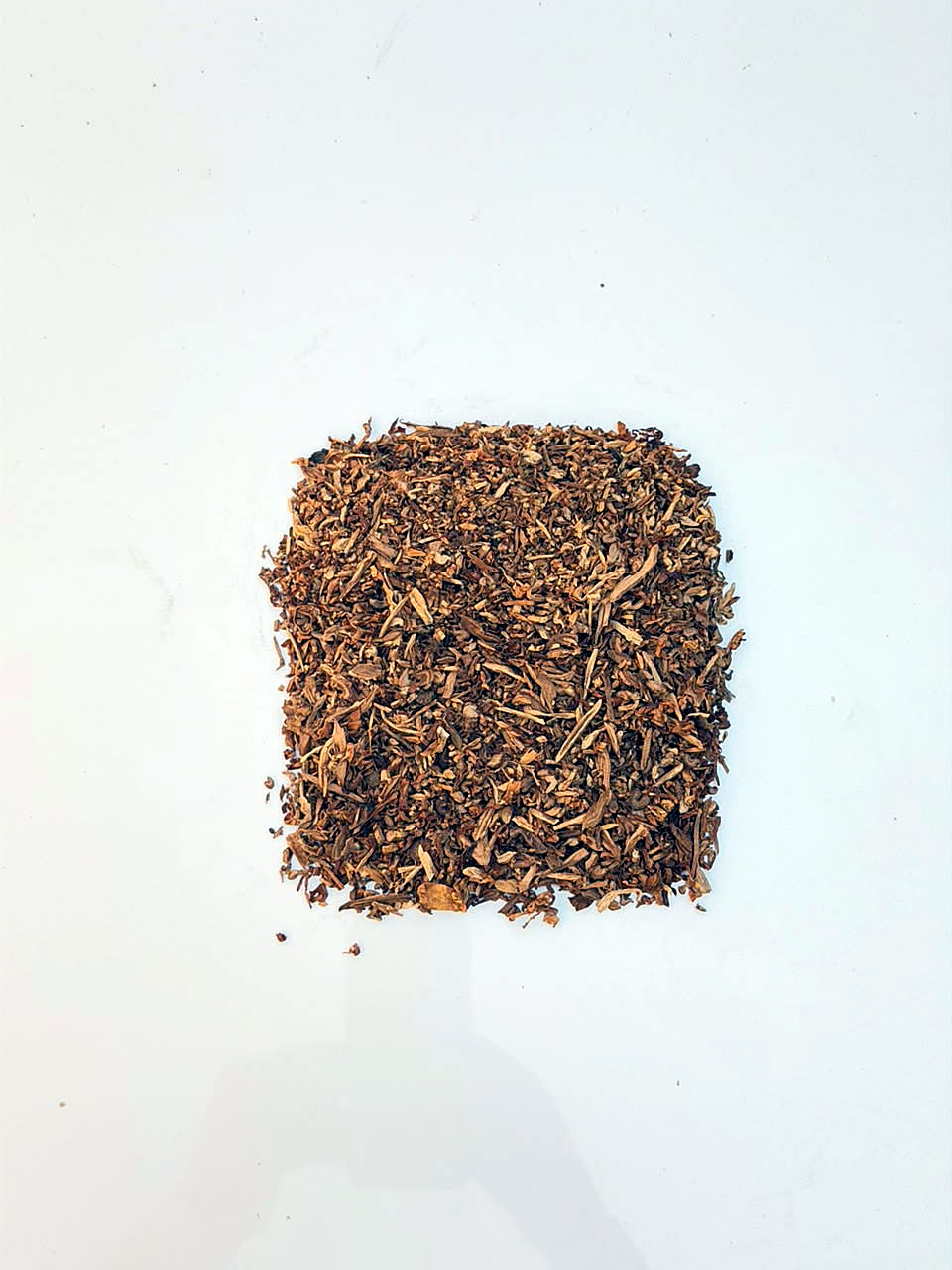
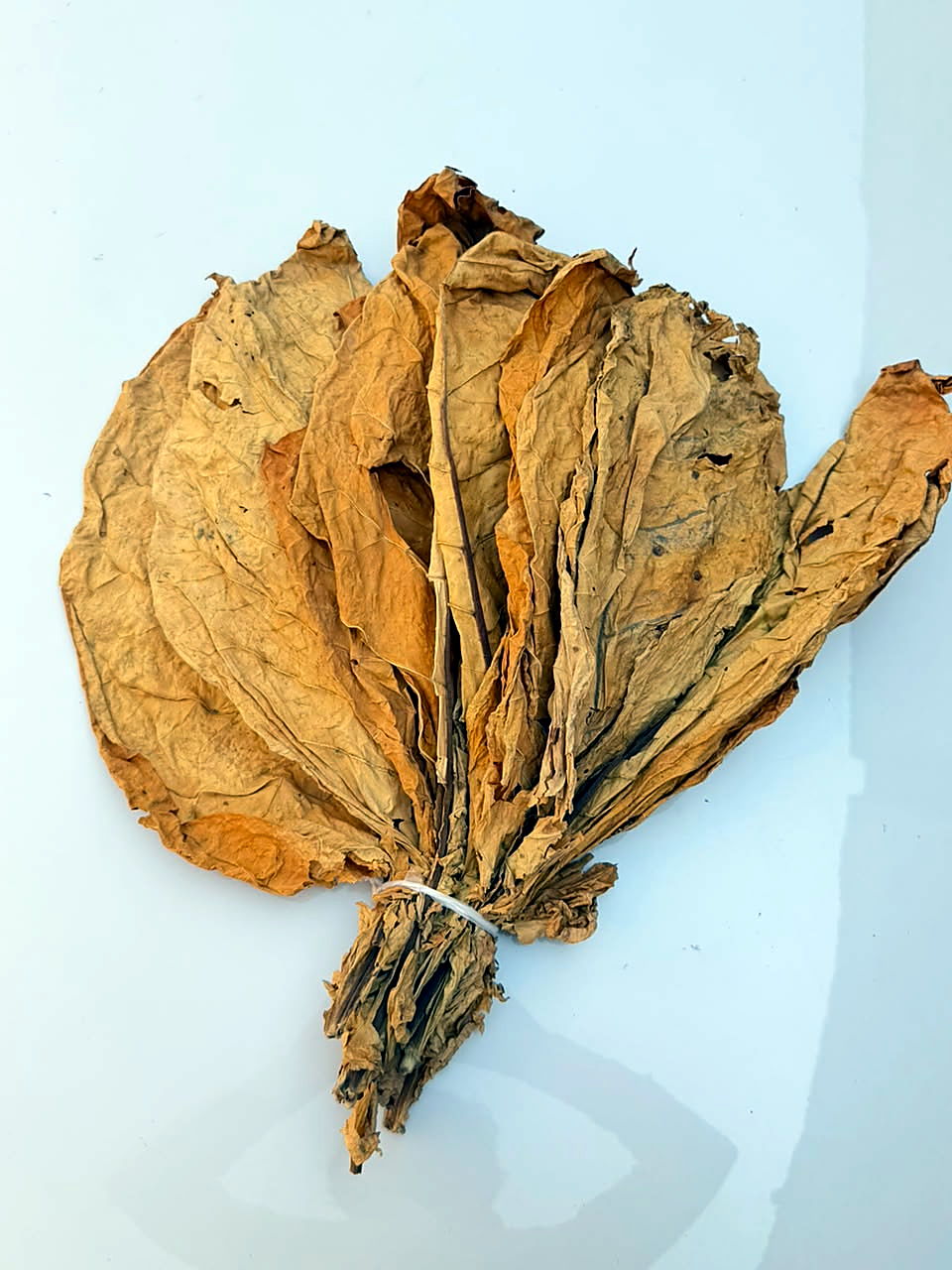
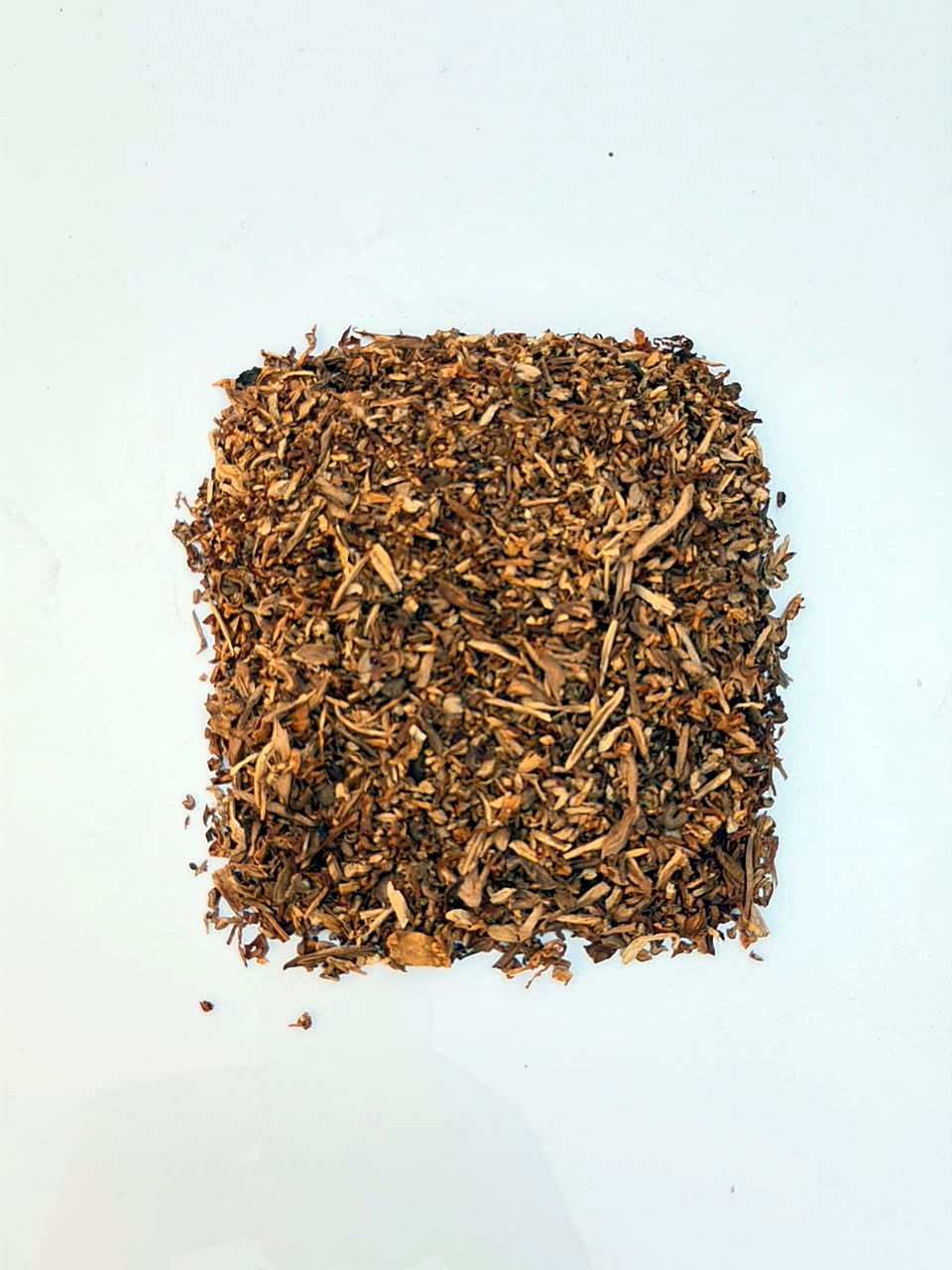
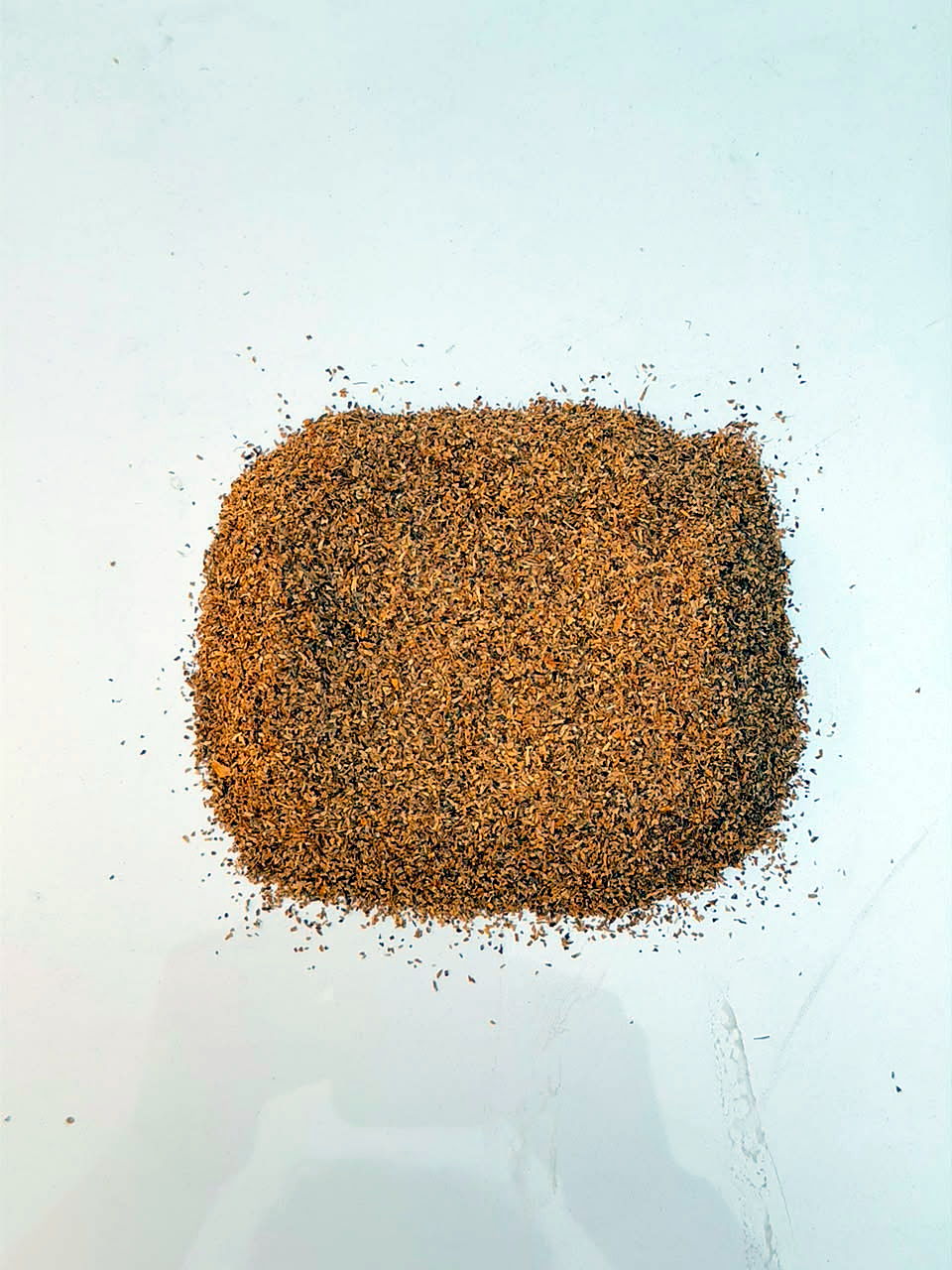
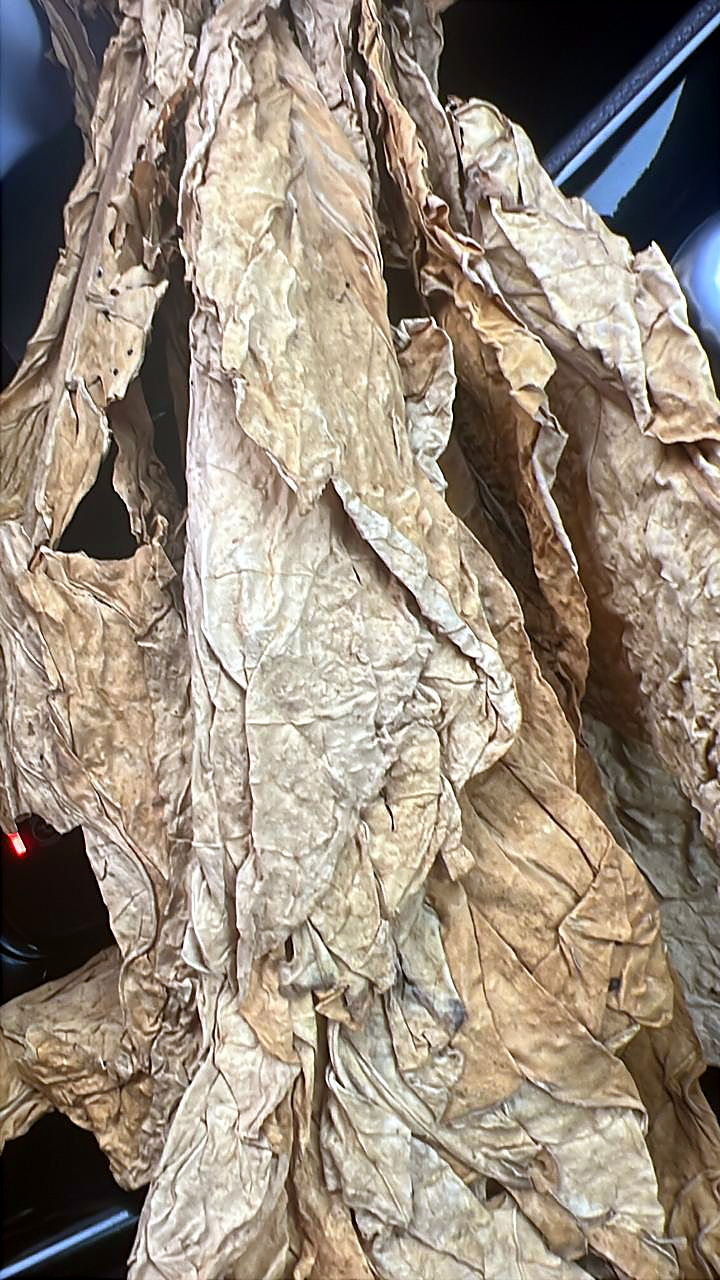
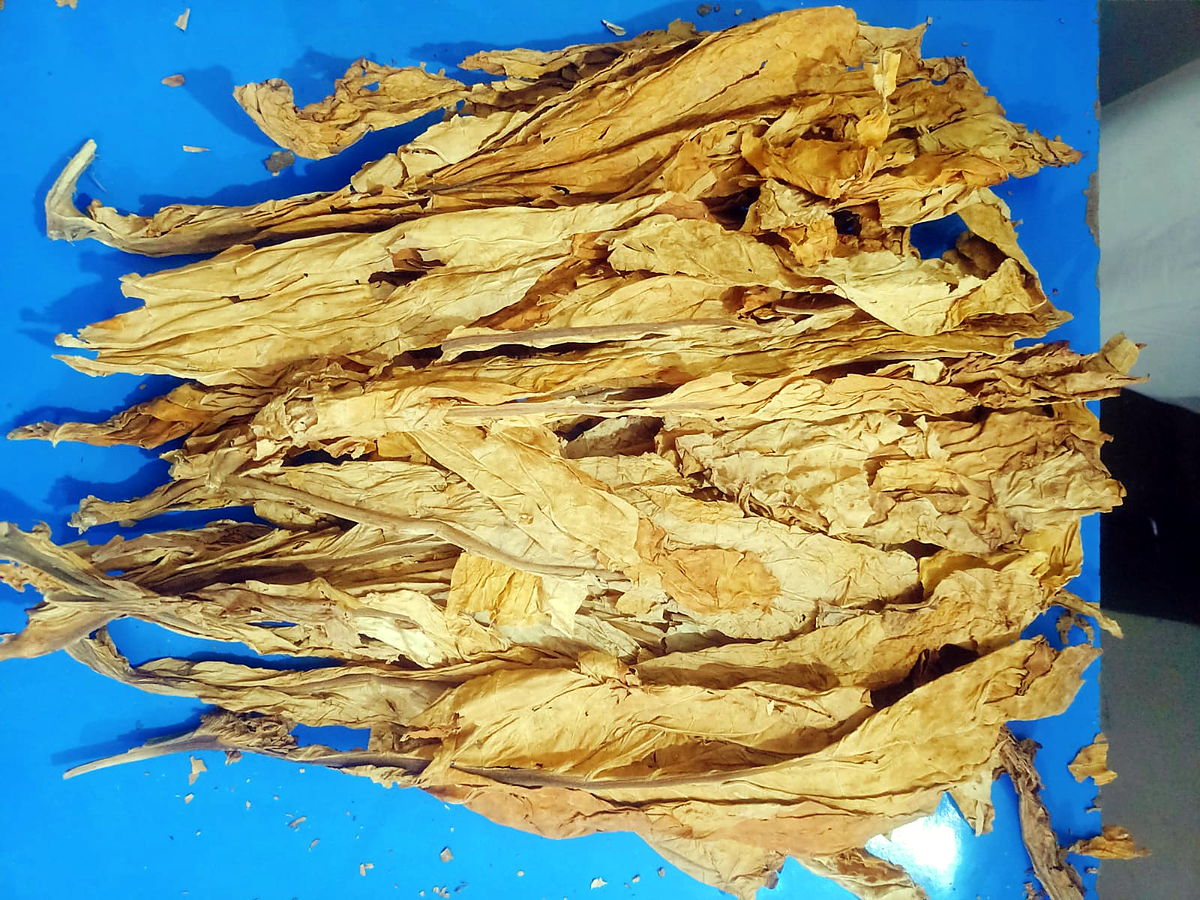
Photographs of the leaf and samples as we handle them. Colour and body vary by stalk position, colour class, crop year and lot; ask for current photographs of the specific lot with your quotation.
Grade and colour compatibility
This processing form is available across the stalk positions and colour classes below. Availability is lot-dependent and confirmed against the current crop year at the time of enquiry.
| Code | Stalk position | Colour range | Nicotine (indicative) | Body |
|---|---|---|---|---|
| P | Primings | Lemon to Lemon-Orange | Low (0.8–1.5%) | Light |
| L | Lugs | Lemon-Orange to Orange | Low–moderate (1.2–2.0%) | Light–medium |
| C | Cutters | Orange to Variegated | Moderate (2.0–2.8%) | Medium |
| X | Smoking Leaf | Orange to Variegated | Moderate–high (2.5–3.2%) | Medium–full |
| F | Leaf | Orange to Red | Moderate–high (2.8–3.5%) | Full |
| T | Tips | Red to Mahogany | High (3.0–4.0%+) | Full–heavy |
Bright yellow. Highest-quality colour. Associated with primings and lugs from well-managed crops.
Yellow-orange. Common in lugs and lower cutters. Good colour development.
Bright orange. Mid-stalk standard colour. Most common commercial colour class.
Mixed orange and red tones. Typical of mid-upper stalk positions.
Deep red-orange. Upper stalk. Higher nicotine associated.
Dark reddish-brown. Tips and sub-mountain leaf. Highest nicotine range.
Green tones indicating incomplete curing or early harvest. Lower commercial value.
Dark or mixed colour. By-product grades and lower-quality lots.
Frequently asked questions
The thick central vein of the tobacco leaf, called the stem once it has been separated from the lamina during stemming or threshing. Stems are woody, dense, pale and lower in nicotine than lamina, make up a substantial share of cured leaf weight, and are sold in bulk as an industrial raw material rather than as blend material.
Reconstituted tobacco sheet, where stems supply fibre and solubles alongside fines and dust; expanded stems, where cut and rolled stems are expanded to increase filling power and used directly in blends; and extraction, where stems are a low-cost source of tobacco solubles and nicotine. Each use prefers a different stem stream.
Nicotine is substantially lower and sugars are lower, fibre is higher, and minerals including chloride tend to be concentrated, which affects burn in expanded-stem products. Stems also take up and release moisture more slowly. Treat stem chemistry as lot-specific; published lamina bands do not describe it.
Moisture at packing with a tolerance, length or size distribution, the acceptable share of lamina still attached, nil foreign matter, the stalk positions if your process is sensitive to them, the crop year for consistency, and the packaging and labelling your warehouse can handle. Say which use you have so the right stem stream is offered.
When leaf is stemmed or threshed, which follows the crop: priming through summer, curing and grading through late summer, and stemming and threshing from then into the export season in the final quarter. Buyers with year-round demand should plan programmes against that calendar rather than expect stock at any time.
Stem is denser than lamina, so payload depends on how tightly C48 cartons are pressed; confirm the expected tonnage per 20 ft or 40 ft container with the quotation rather than assuming the lamina figures of about 15–20 MT. Stems ship in C48 cartons of about 140–200 kg net, labelled by lot, FOB, shipped to any port (loading at Karachi or Port Qasim).
Well below lamina, as a by-product with a defined industrial value, moving with demand from reconstitution and expanded-stem plants and with the lamina programmes that generate them. Freight is a larger share of landed cost than for lamina, which favours full containers and dense pressing. Quotations are against a written specification.
To see current price bands and order FCV tobacco, click here.
Related information
Watch the leaf
See it move before you ask for samples
Short clips filmed in our store, on the grading floor and on the processing line. Whole leaf, cut leaf, strips, stems and sample bags, exactly as buyers see them before a container is packed.
Now playing · Golden flue-cured Virginia whole leaf
Contact sheet · real photographs
Our leaf, as we handle it
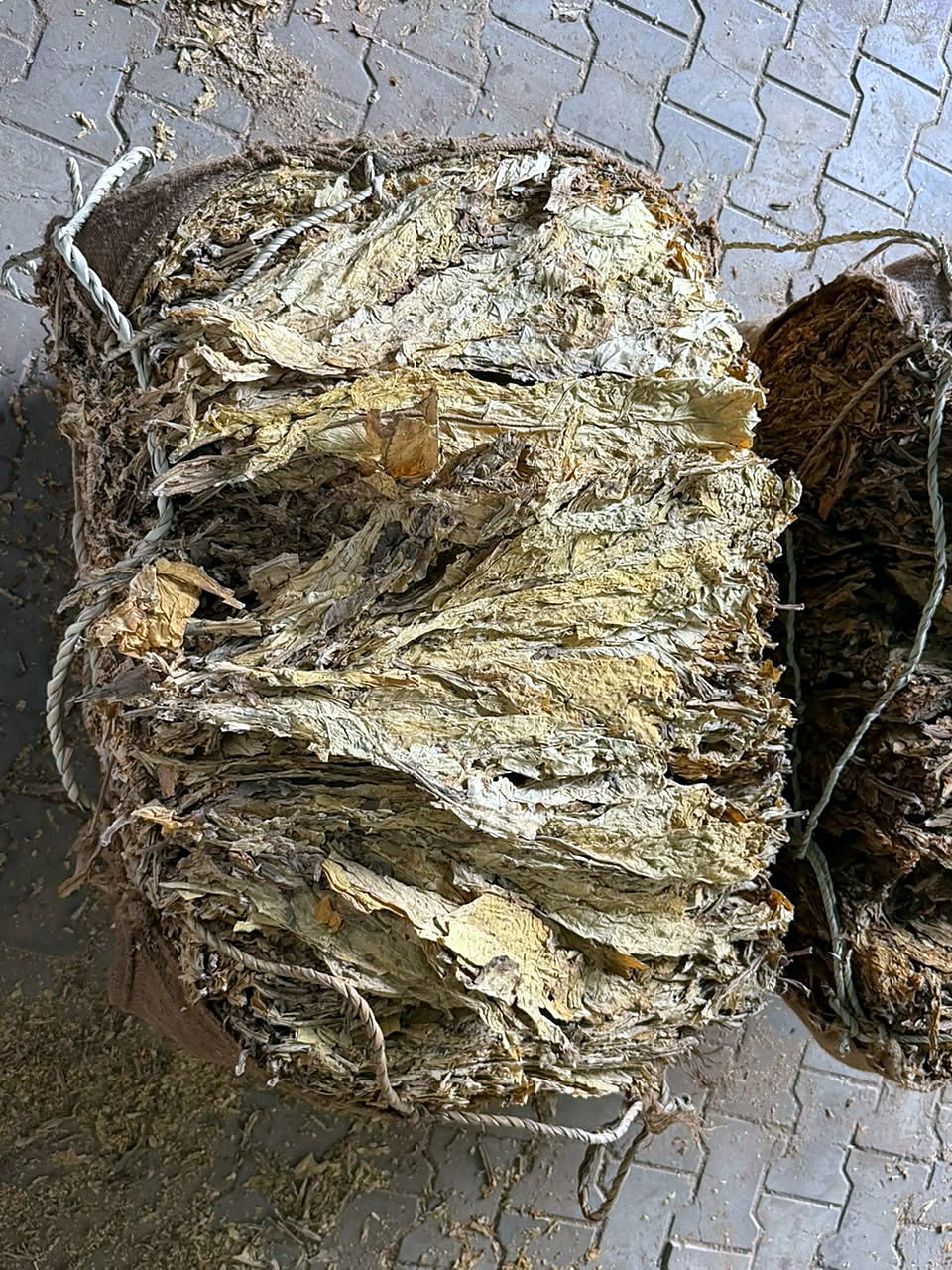
Whole leaf, hands of leaf, strips, fines and sealed samples from our own stock. See all 37 photographs.
Buyer feedback
What buyers say about working with us

Very Professional Company, for FCV tobacco a must considering company with a huge variety of Tobacco Leaves to buy for our brand of cigerettes.
Reply from FCV TobaccoThank you, Elena. Variety is exactly what we build our grade list around, so it is good to hear it made the selection for your brand easier. We look forward to the next lot.
Read on Google →
A very good company to work with. They are professional, reliable, and always deliver on time. Working with them has been a great experience, and I truly appreciate their commitment and service.
Reply from FCV TobaccoThank you, Shehzad. Delivering on the agreed window is something we take seriously, and we appreciate you saying so. Always a pleasure working with your team.
Read on Google →
Professional Company - Highly Recommended for FCV Tobacco in bulk. We are dealing with them for a long time.
Reply from FCV TobaccoThank you, Mehak. Long-standing relationships like yours are the best recommendation we could ask for. We appreciate your continued trust in our FCV supply.
Read on Google →كانت تجربتي مع خدمة العملاء ممتازة. التواصل كان سريعًا ومحترفًا، وتم التعامل مع الطلب والاستفسارات بوضوح واهتمام، ووصل كل شيء بشكل منظم كما توقعت.
Translated from Arabic: My experience with the customer service was excellent. Communication was fast and professional, the order and enquiries were handled clearly and attentively, and everything arrived well organised, as I expected.
Reply from FCV TobaccoThank you very much for your kind review. We appreciate it.
Read on Google →