
Processing form
Custom-specification FCV tobacco
Custom-specification FCV tobacco is a lot of flue-cured Virginia leaf built to a buyer's own parameters, the stalk positions and colour classes, the processing form, nicotine and reducing-sugar targets, moisture range, chloride maximum and packaging, and confirmed against those parameters by laboratory analysis before it ships. It is the form for manufacturers matching an existing blend, replacing another origin, or specifying tighter than a standard grade allows. FCV Tobacco Limited builds custom lots from its Khyber Pakhtunkhwa crop in full-container quantities on FOB terms.
Enquire
Send a specification and receive availability against the current crop year.
WhatsApp our team Or send a written specification →MOQ 1 container (20 MT minimum) · FOB terms, shipped to any port · 50% advance, 50% on FOB
What a custom specification is (and is not)
A standard purchase names a grade: a stalk position and a colour class, in a processing form, and takes the chemistry that grade delivers within its published indicative range. A custom specification turns that around. The buyer names the chemistry, the physical properties and the presentation it needs, and the supplier assembles a lot that meets them, drawing on whichever positions, colours and crop-year lots will do the job, then proves it by laboratory analysis.
It is not a way to get leaf with properties the crop does not have. Flue-cured Virginia from Khyber Pakhtunkhwa has a range: nicotine from under 1.5 percent in primings to 3 percent and above in tips, colours from lemon to mahogany, a high-sugar profile, and body that rises up the stalk. A custom lot can be placed anywhere inside that range, and blended across positions to hit a target that no single grade would. It cannot be placed outside it, and a specification that asks for the impossible gets a frank answer rather than a lot that fails analysis.
The parameters you can set
Stalk positions and colour classes, including a defined mixture with proportions. Processing form: whole leaf, unstemmed, hand-stemmed or machine-stemmed lamina, or threshed strips, with the physical measures that go with it, such as strip-size distribution, stem-in-lamina and fines for strips. Chemistry: nicotine as a range or a target with tolerance, reducing sugars, chloride maximum, and other parameters by arrangement, including total alkaloids, pesticide residues and heavy metals where a market requires them. Moisture at packing with tolerance.
Packaging: C48 carton or carton weight, wrapping material, sealing, inner liner and labelling format, including barcodes or QR codes. Documentation: buyer-nominated laboratory or protocol, buyer-nominated pre-shipment inspection, and any market-specific certificates. And commercial terms: quantity, delivery schedule, Incoterm, named port. Every item you leave unspecified is supplied to the default on the relevant page of this site.
How a custom lot is built: blending positions to hit targets
Suppose a blend needs lamina at 2.4 percent nicotine with an orange colour and a sugar level typical of the mid stalk. No single position is guaranteed to deliver that in every lot; cutters run about 2.0 to 2.8 percent on our indicative band, smoking leaf about 2.5 to 3.2. The route is to select candidate lots of each, analyse them, and combine them in proportions that bring the composite to target, then confirm the composite by analysis.
That is what building a custom specification means in practice: selection and proportioning from the available crop, guided by laboratory results rather than by grade names. The wider your tolerance, the more lots qualify and the easier the lot is to assemble; the tighter it is, the more selection is needed and the more the price reflects it. The specification builder on this page lets you set targets against the published bands and see which positions they point to before you submit.
Tolerances, sampling and confirmation
Every parameter in a custom specification needs a tolerance, because leaf is a natural product and laboratories have measurement uncertainty. A nicotine target of 2.4 percent with a tolerance of plus or minus 0.2 is a workable specification; a bare 2.4 is not. The same goes for moisture, sugars and any physical measure.
Confirmation follows a fixed sequence. Candidate lots are sampled and analysed. The composite is assembled and conditioned. Representative samples are drawn from the lot as packed, so that what is analysed reflects what will be loaded, and analysed to CORESTA methods by an accredited laboratory, the buyer's nominated laboratory if one has been agreed. The certificate of analysis states the measured values against the specification. Independent pre-shipment inspection, buyer-nominated or mutually agreed, checks grade, colour, moisture, weight and packaging before loading. Nothing ships on the strength of the specification alone.
When custom specification makes sense
When you are replacing leaf from another origin and need the new lot to behave the same in the blend. When your blend targets sit between grades rather than on one. When your market requires parameters that standard grades do not carry, such as residue limits. When you want a defined mixture of positions delivered as one lot rather than blending in-house. When packaging and labelling must fit an automated warehouse or a customer's traceability system.
It makes less sense when a standard grade already meets your needs, since the selection work costs money, or when volumes are small, since the one-container minimum applies to custom lots as to any other.
Matching an existing blend or a competitor's leaf
The most common custom request is a match: leaf that will drop into an existing blend without changing the product. The practical route is to send the target, either the specification of the leaf being replaced or, better, a physical sample with its certificate of analysis, and to say which properties matter most: nicotine and sugars usually, then colour and body, then strip size for strips.
The commercial team then proposes a composition from the current crop, supplies samples, and confirms by analysis. Expect the match to be close on the measured parameters and to need a blend trial on your side for the sensory properties no laboratory measures. Two or three rounds of samples are normal for a first match; repeat lots against a settled specification are quicker.
Custom packaging and labelling
C48 carton and carton weight, carton or bag type, inner liner and label format can all be set by the buyer, including barcode or QR labels carrying the buyer's own lot codes. Custom packaging carries a one-container minimum. Specify the labelling in the language and format your receiving warehouse scans, and state the maximum package weight your handling equipment allows.
Lead time, MOQ and cost implications
Custom lots take longer than standard ones, because selection, sampling, analysis and confirmation are sequential steps, and because the current crop must contain lots that fit. Plan a first custom lot ahead of when you need it, and plan repeat lots against the crop calendar; new-crop leaf ships from the final quarter. The minimum is one container (20 MT minimum) by sea or 20 MT by land. Cost reflects the tightness of the specification, the positions used, the processing form and any nominated laboratory or inspection services; it is quoted against the written specification, and the catalogue shows indicative price bands: FCV 8–10 USD/kg, scraps 4–5 USD/kg FOB, volume-dependent.
Documentation for a custom lot
The standard package ships with every container: commercial invoice, packing list, bill of lading, certificate of origin and phytosanitary certificate, plus the per-lot laboratory report against the specification and the pre-shipment inspection certificate where arranged. Custom lots often add residue or heavy-metal reports from a third-party laboratory and buyer-format traceability documents; name them in the specification so they are prepared with the lot rather than after it.
Writing a specification that gets an accurate quotation
State each parameter as a target or range with a tolerance and the method you will use to check it. Rank the parameters so the commercial team knows what to protect if the crop forces a trade-off. Give the processing form, the packaging and labelling, the quantity in containers, the destination port, the Incoterm and the delivery window, and say whether you will nominate a laboratory or an inspection company. Attach a reference sample or certificate if you are matching. The reply states what is achievable from the current crop, lot by lot, and the price for it.
Typical Use Cases
- Licensed manufacturers with precise chemical parameter requirements not met by standard product forms
- Tobacco blenders requiring specific grade and colour combinations for premium blend applications
- Procurement departments with detailed specification sheets requiring exact match supply
- Importers sourcing custom-specification FCV tobacco for specific manufacturing customers
Custom-specification FCV tobacco availability is subject to crop year, grade, processing capacity, and technical feasibility. Custom processing and specification requests are subject to technical review, product availability, and commercial feasibility. Contact us with your full specification requirements for a feasibility assessment.
From our stock
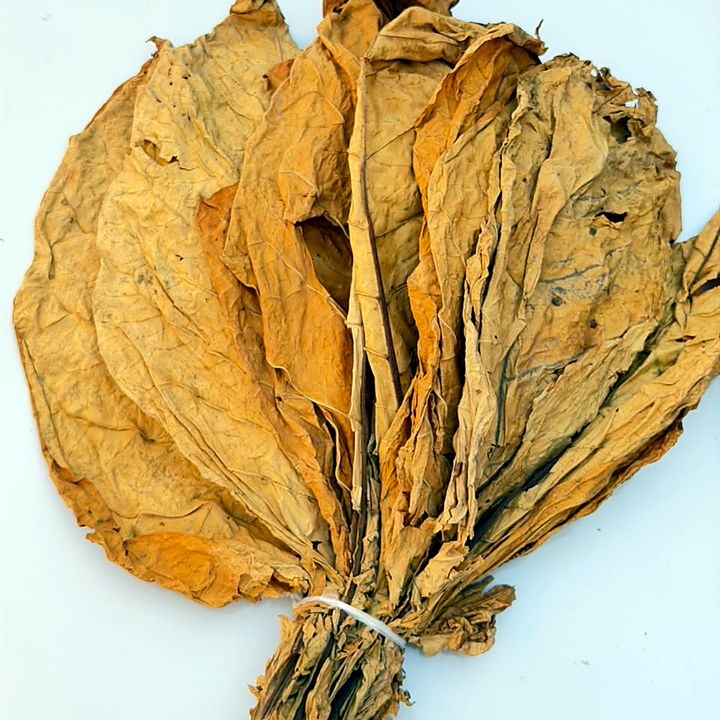
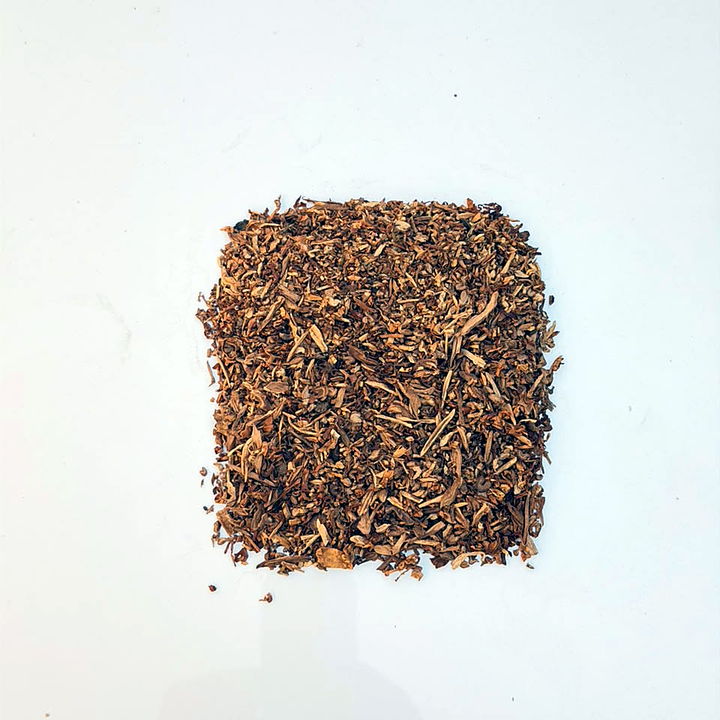
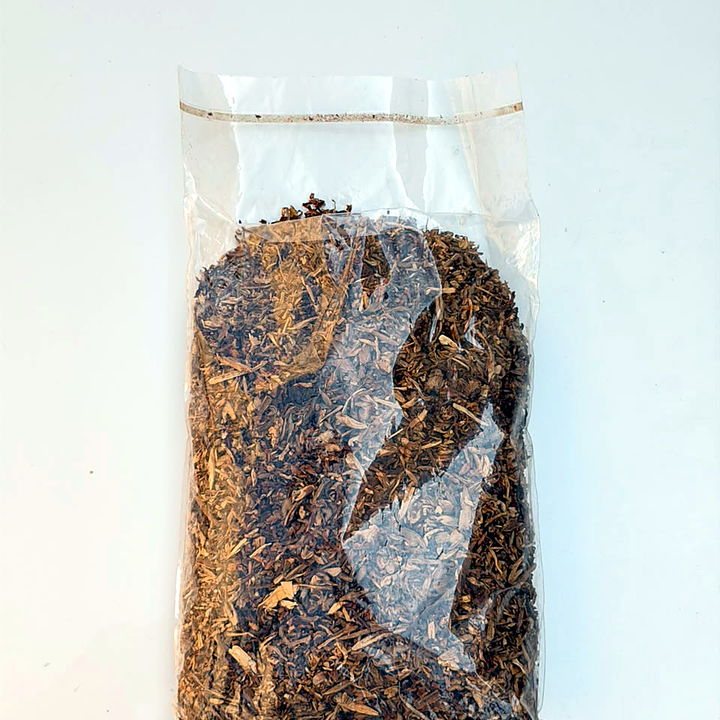
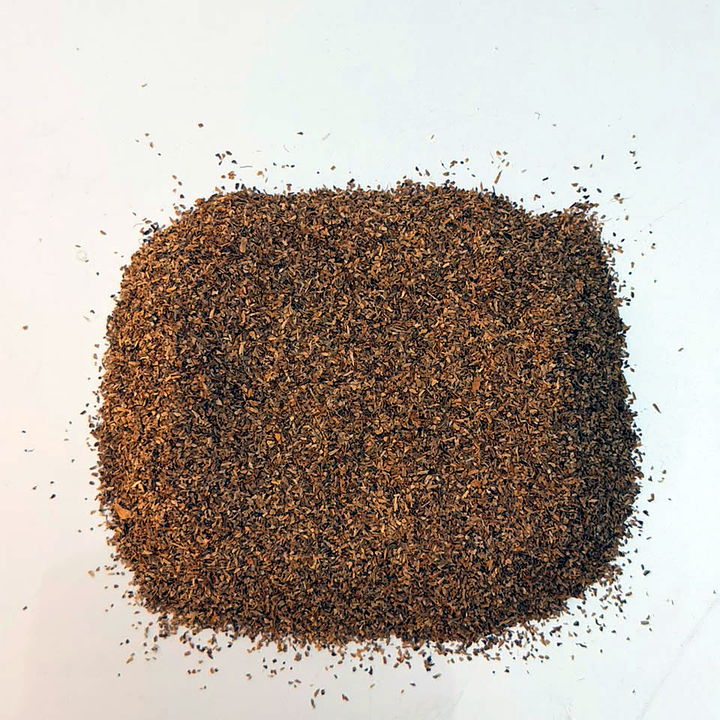
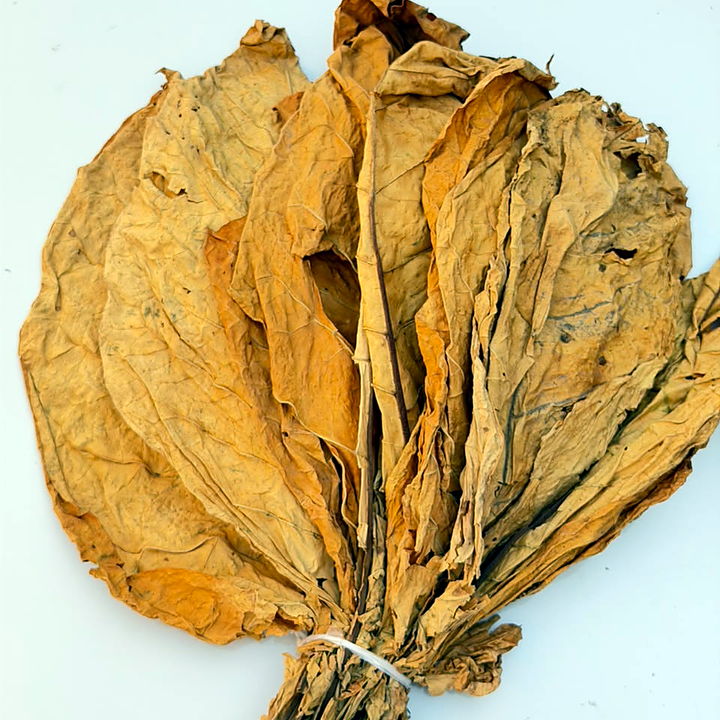
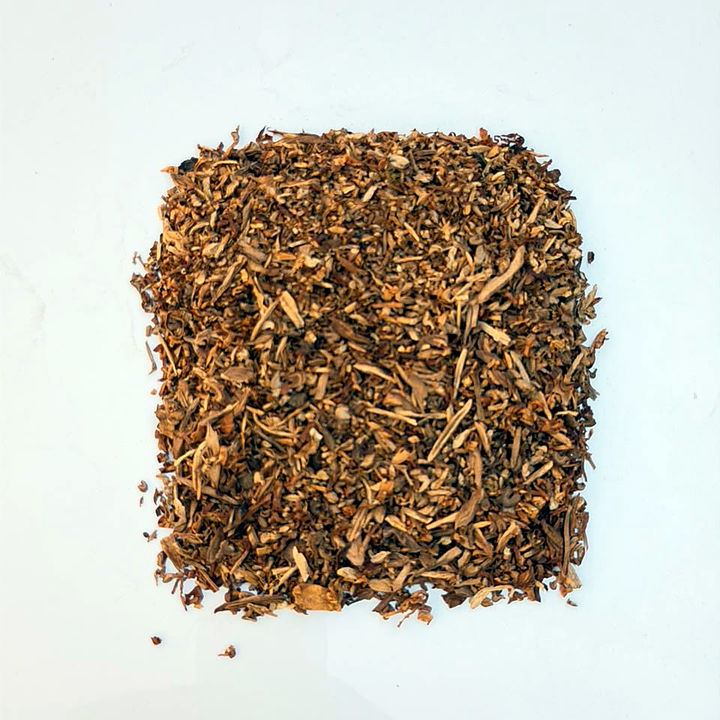
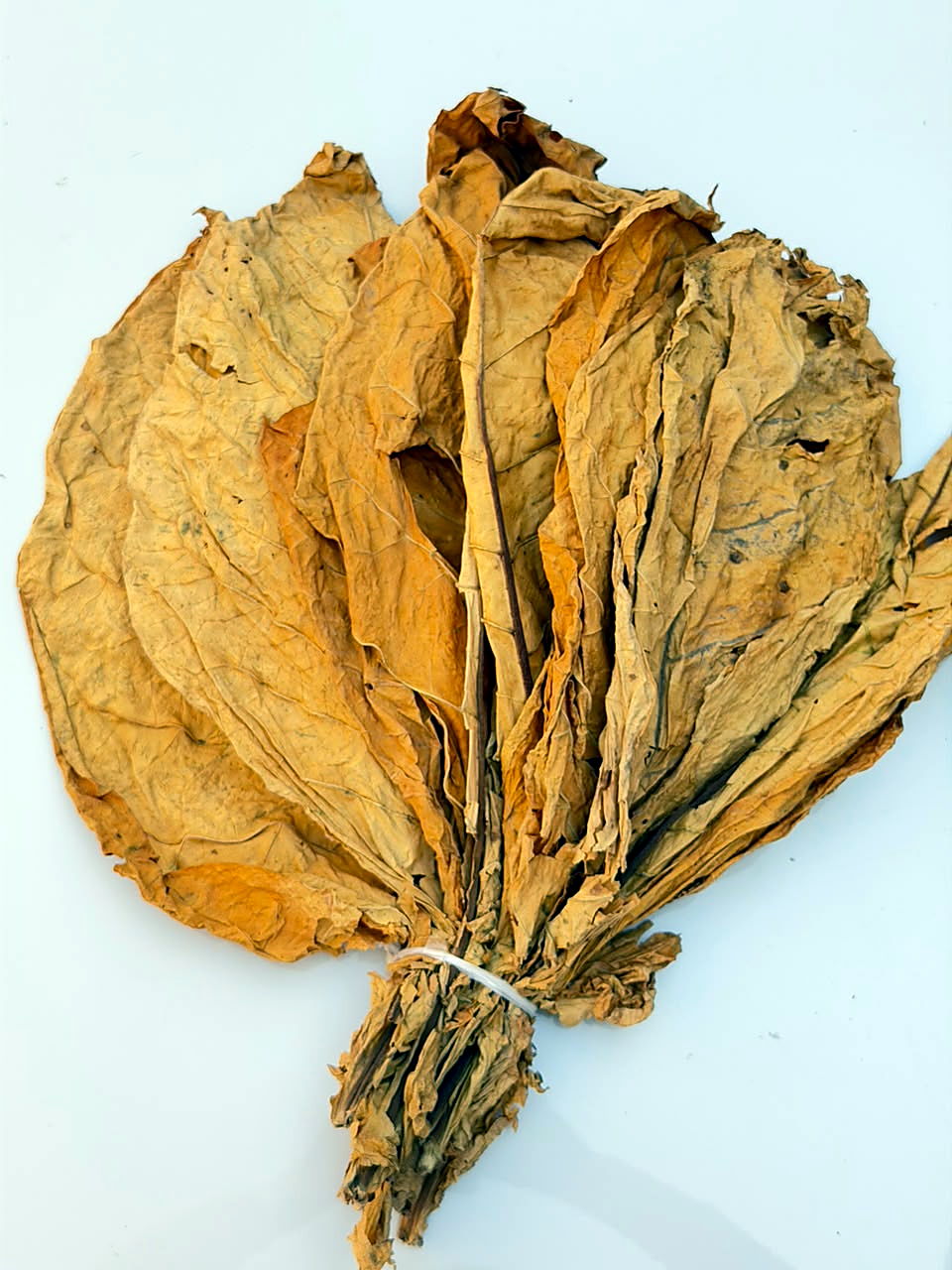
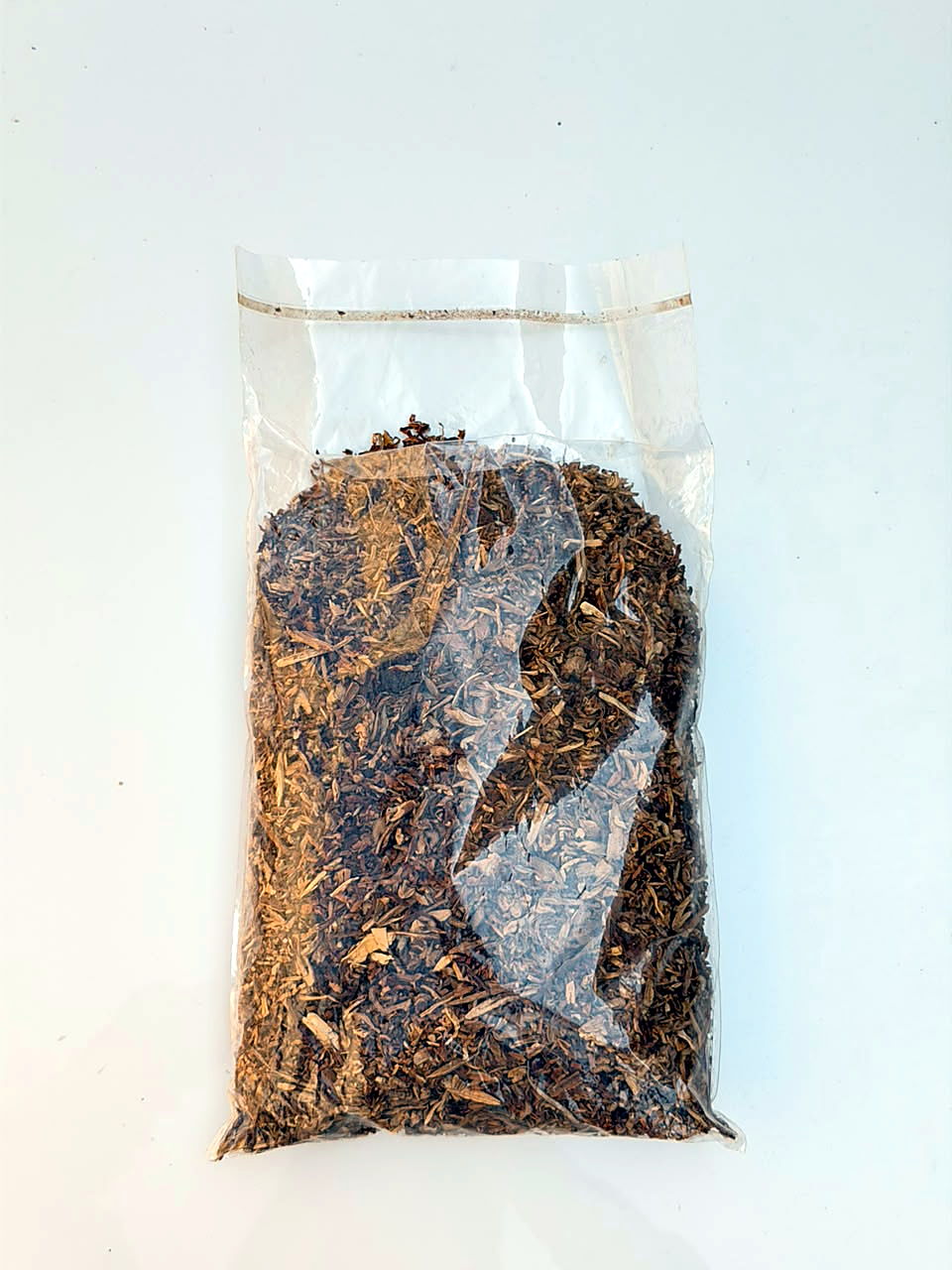
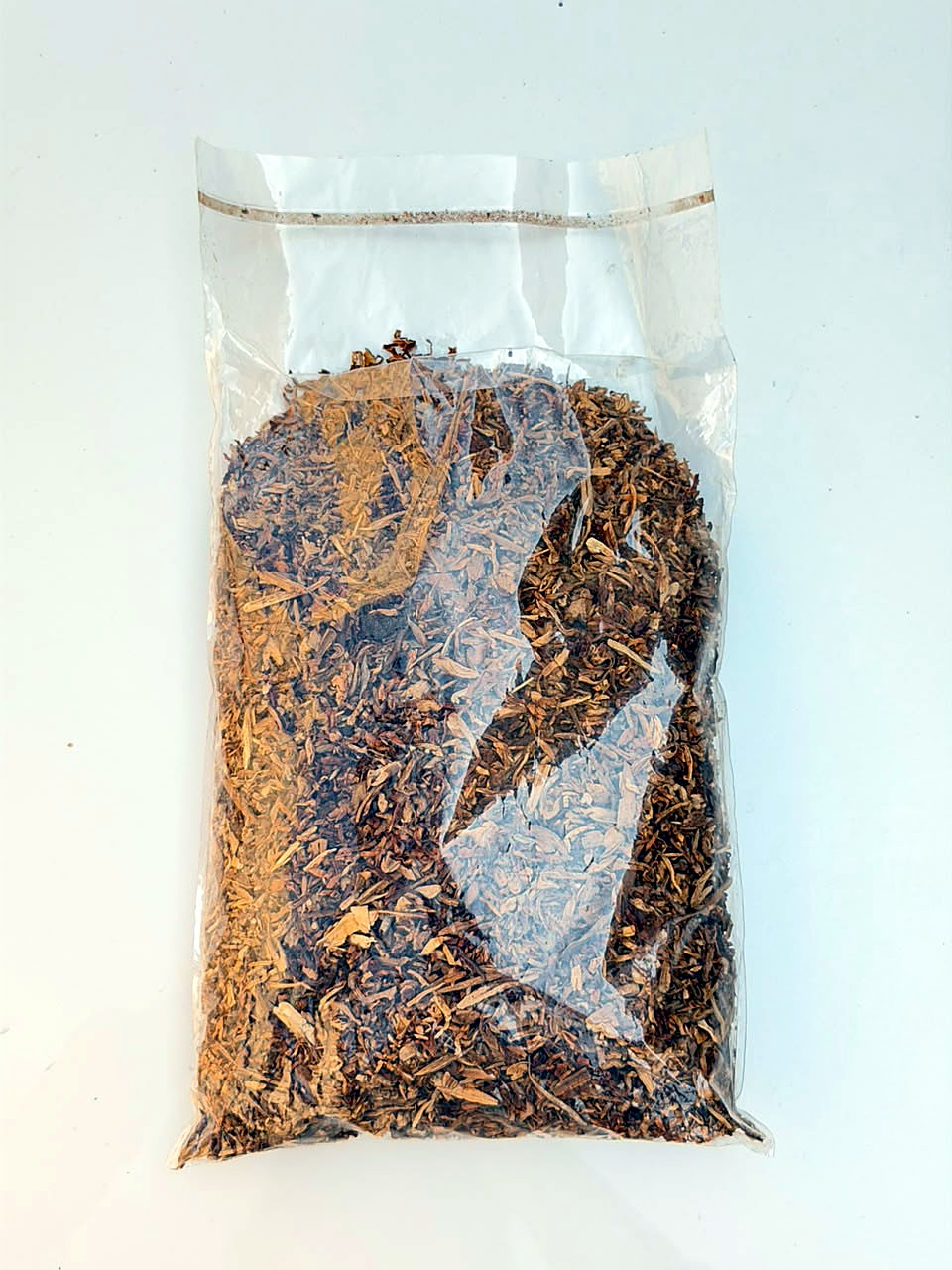
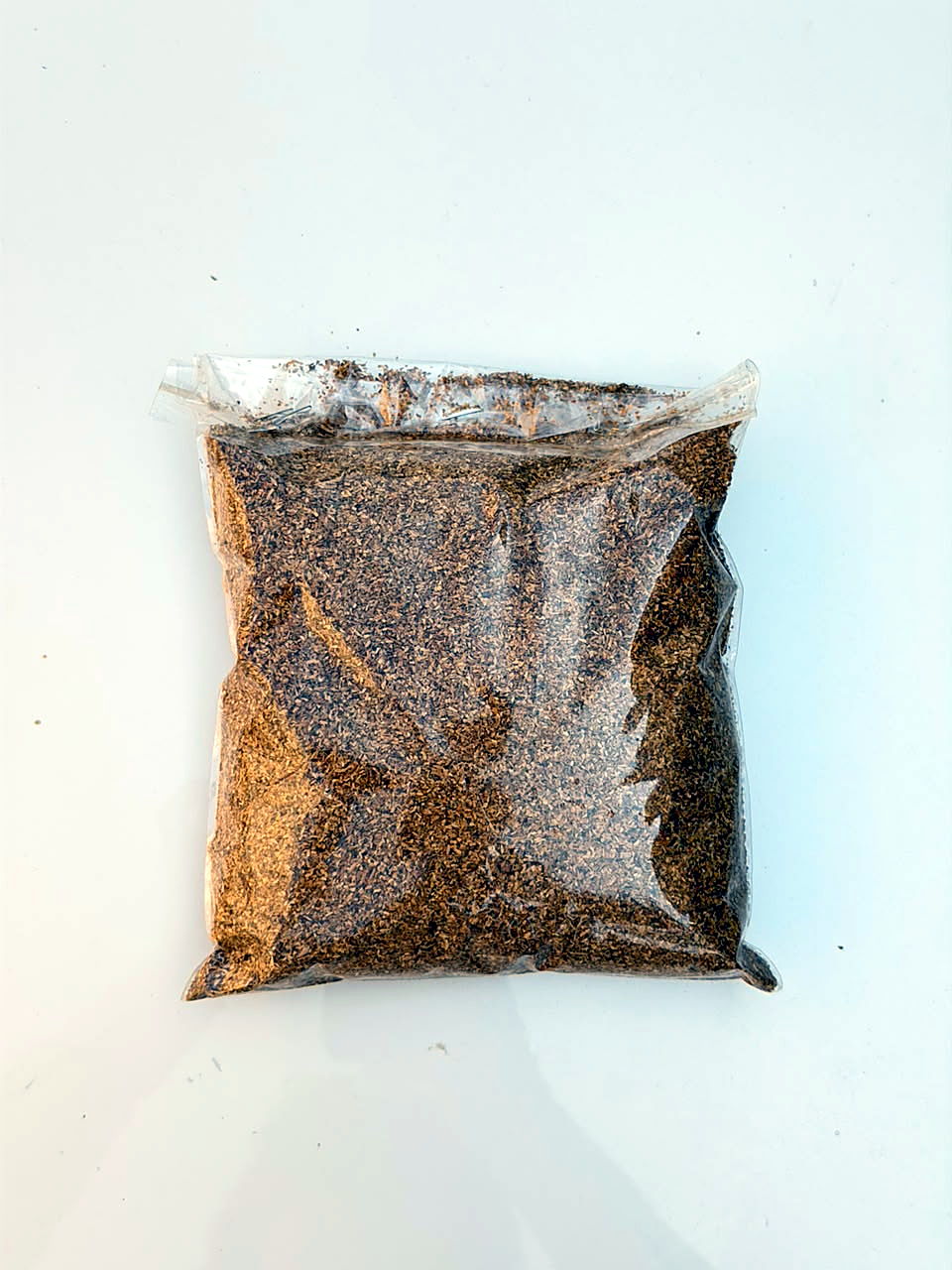
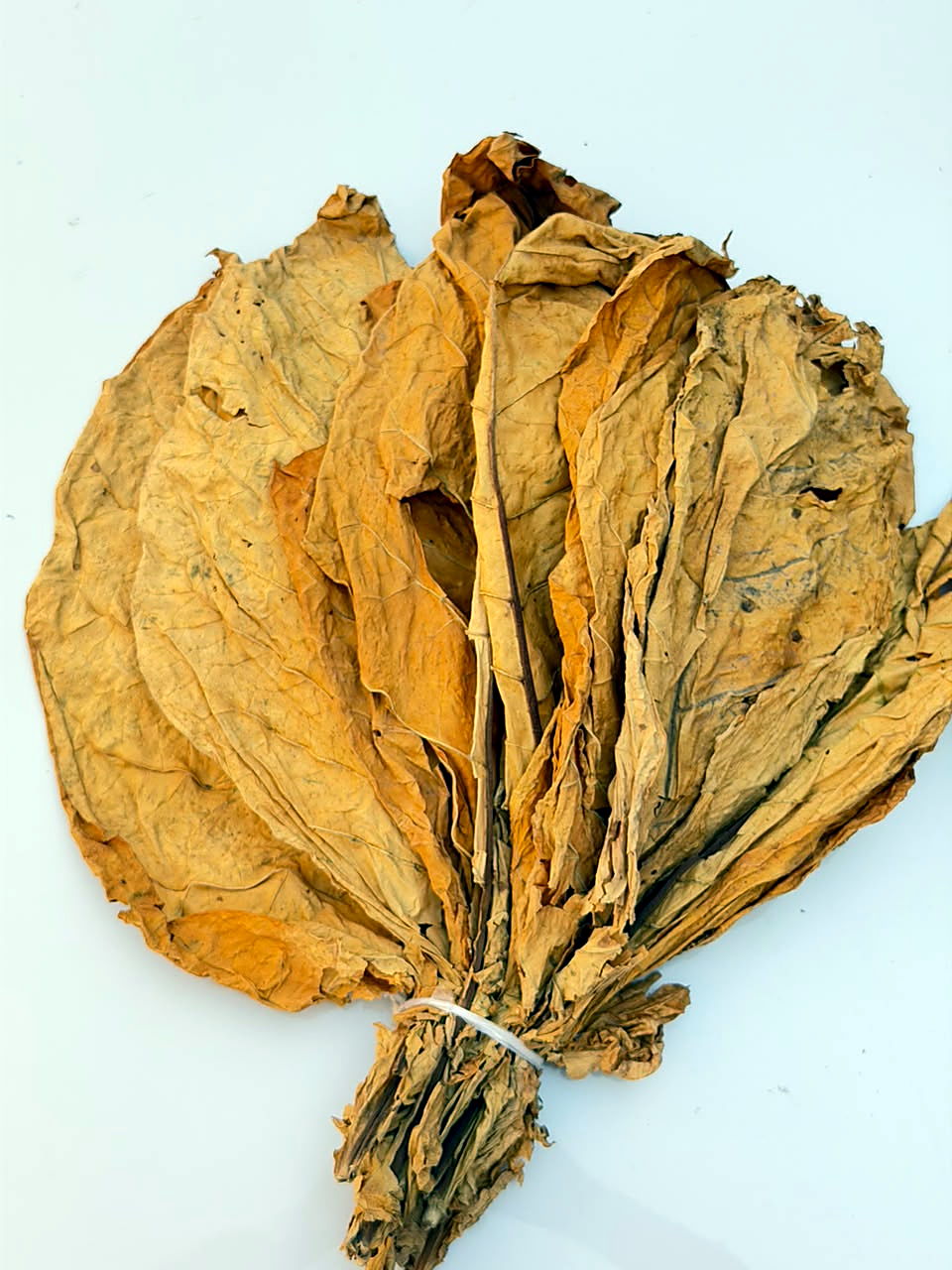
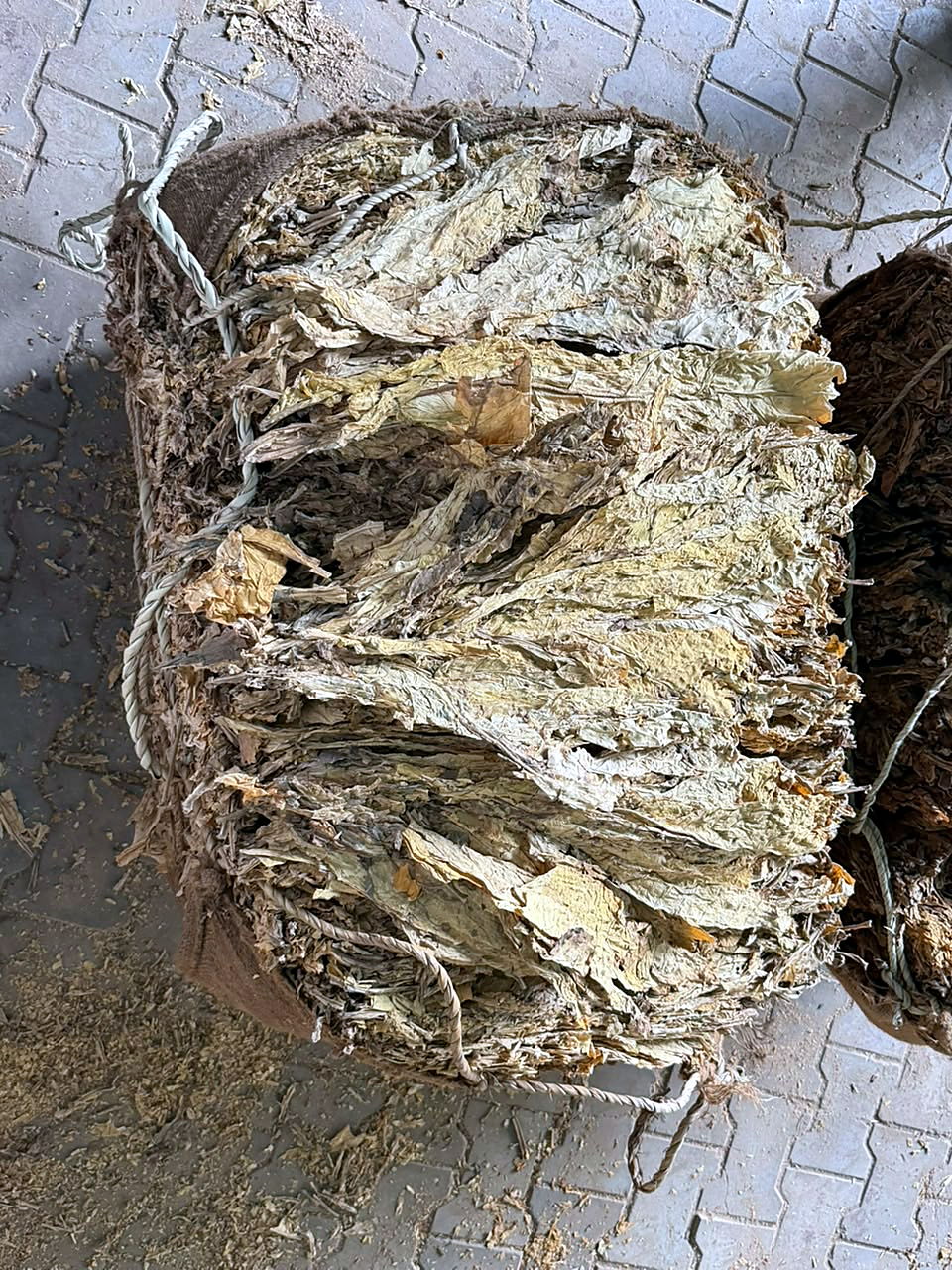
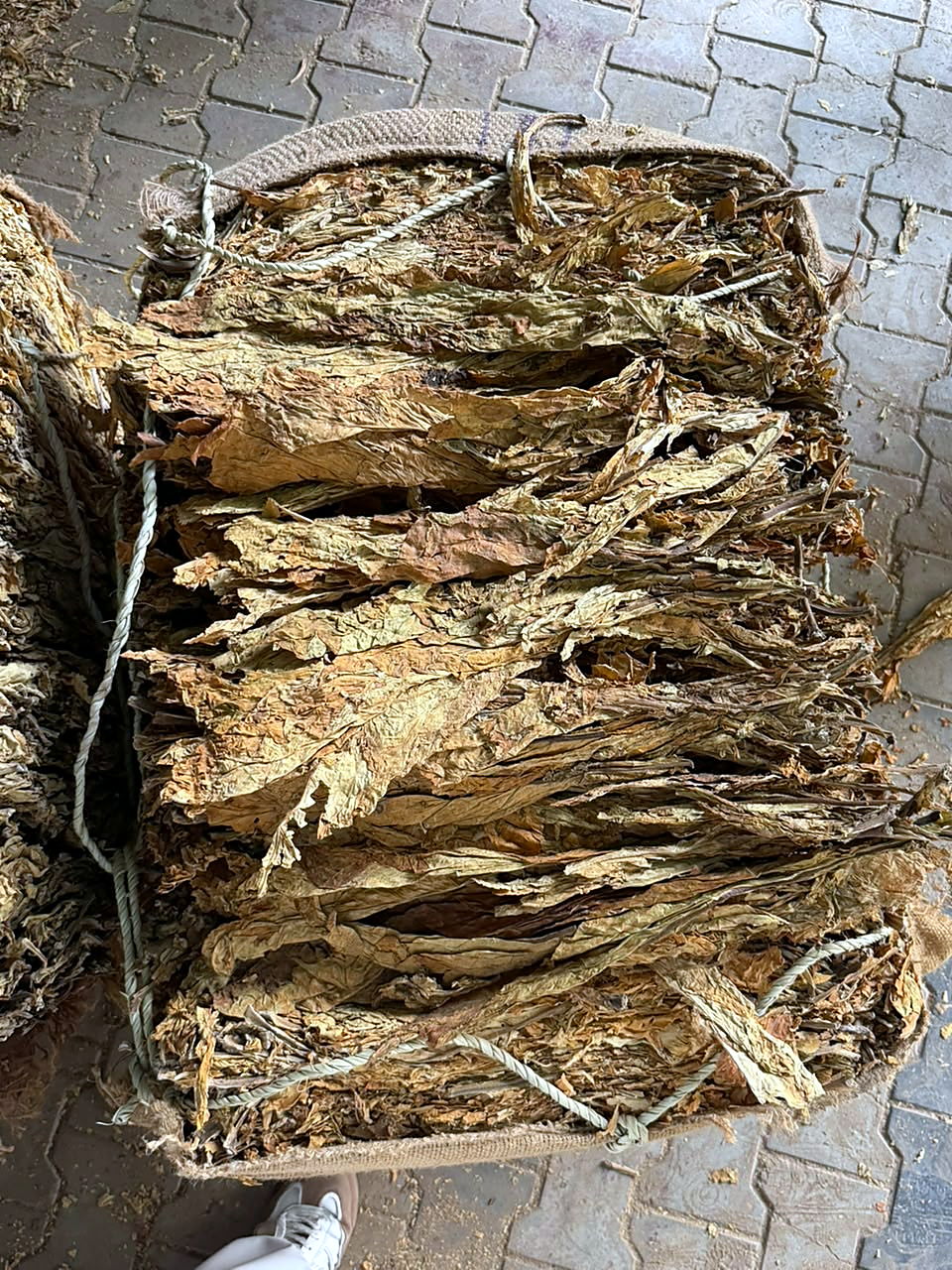
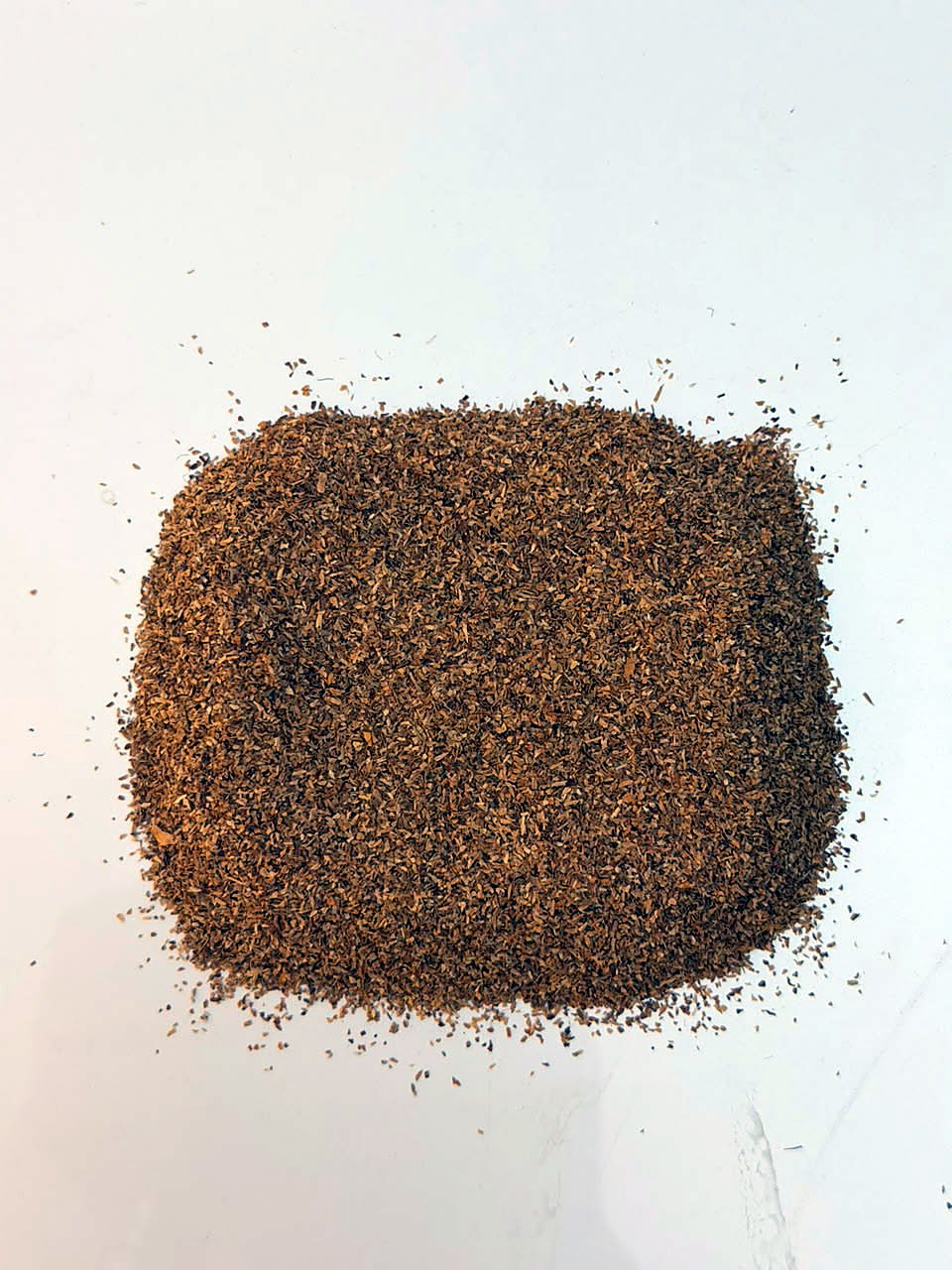
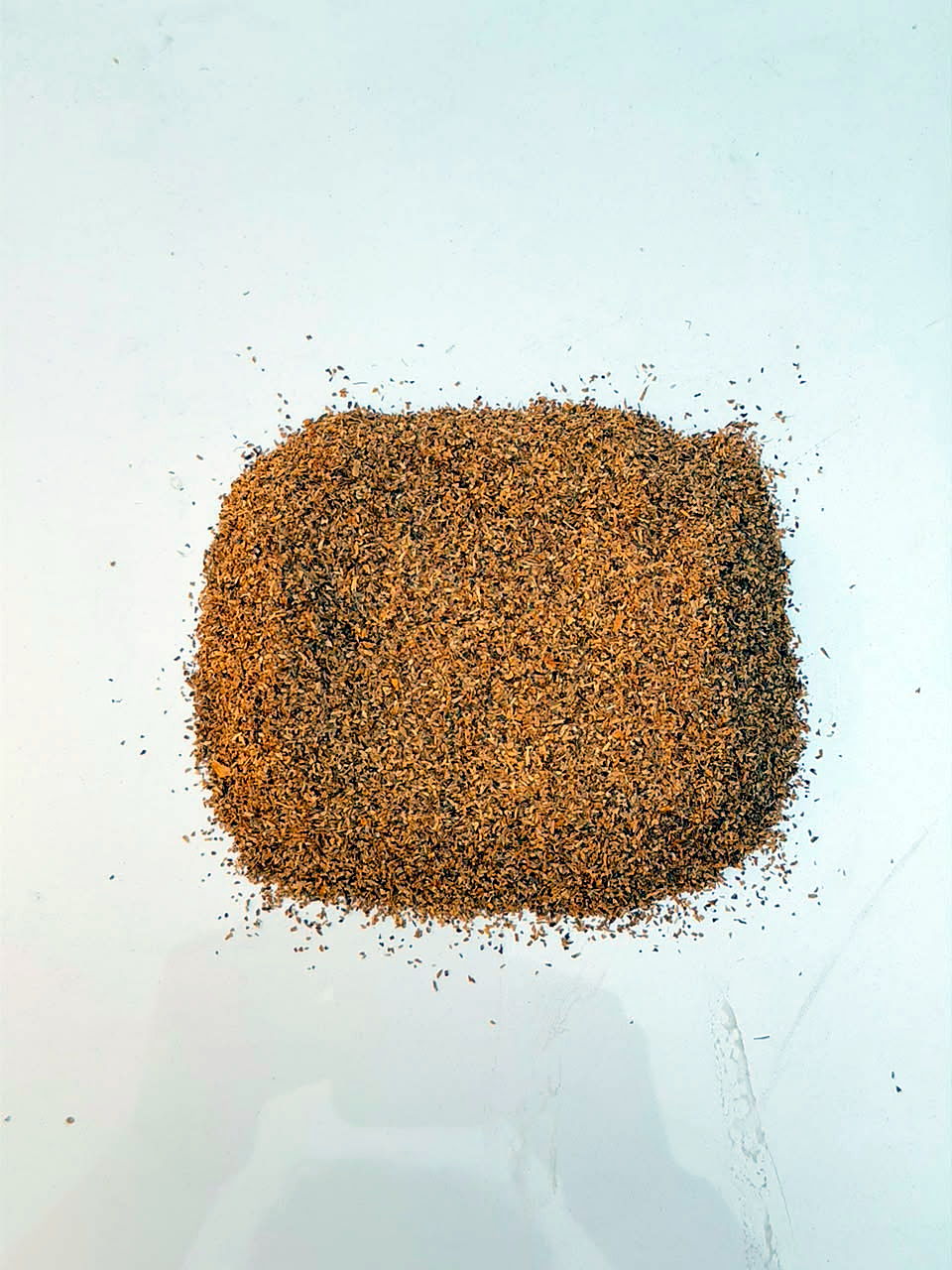
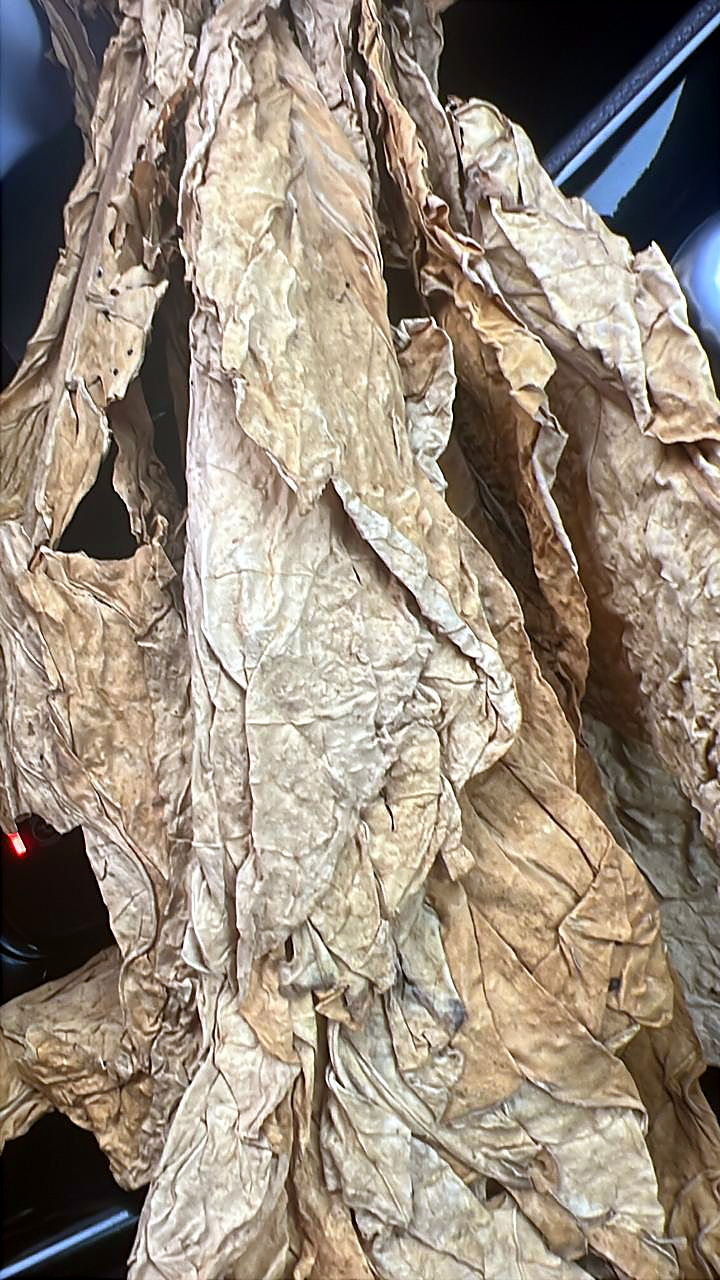
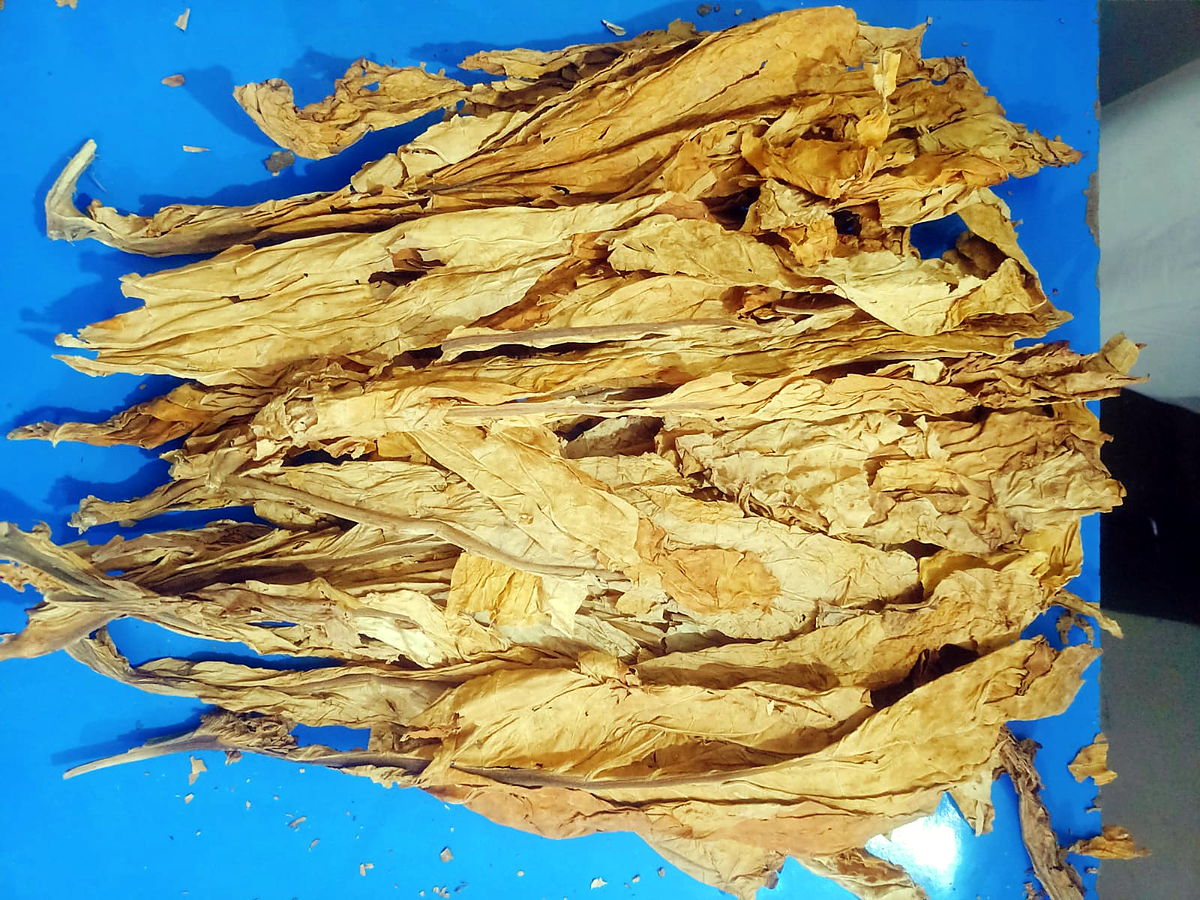
Photographs of the leaf and samples as we handle them. Colour and body vary by stalk position, colour class, crop year and lot; ask for current photographs of the specific lot with your quotation.
Build a specification
Set your targets against our published grade bands. The match is scored across all six stalk positions, and contradictory targets are named as such rather than resolved silently.
Configure your requirement
Tell us the leaf you need.
We'll tell you the closest grade.
Set your chemistry and colour targets against the FCV grade bands we publish. The match is scored across all six stalk positions — and if your targets can't occur together in one lot, it says so rather than guessing.
- Origin
- Khyber Pakhtunkhwa, Pakistan
- MOQ
- 20 MT minimum land · 1 container (20 MT minimum)
- Terms
- FOB Port Qasim / Karachi
Your wholesale brief
IndicativeGrade-dependent and confirmed per lot. Used here as a directional signal only — we publish no numeric sugar band per grade.
Cutters grade profile
Mid-stalk leaves. Good balance of body, colour, and nicotine. Among the most commercially valued positions.
Indicative guidance only — not a certificate of analysis. Final chemistry, grade and pricing are confirmed through representative sampling and laboratory testing.
The grade bands this match is scored against
| Stalk position | Nicotine | Colour range | Body | |
|---|---|---|---|---|
| P Primings | 0.8–1.5% | Lemon to Lemon-Orange | Light | Grade detail |
| L Lugs | 1.2–2.0% | Lemon-Orange to Orange | Light–medium | Grade detail |
| C Cutters | 2.0–2.8% | Orange to Variegated | Medium | Grade detail |
| X Smoking Leaf | 2.5–3.2% | Orange to Variegated | Medium–full | Grade detail |
| F Leaf | 2.8–3.5% | Orange to Red | Full | Grade detail |
| T Tips | 3.0–4.0% | Red to Mahogany | Full–heavy | Grade detail |
Grade and colour compatibility
This processing form is available across the stalk positions and colour classes below. Availability is lot-dependent and confirmed against the current crop year at the time of enquiry.
| Code | Stalk position | Colour range | Nicotine (indicative) | Body |
|---|---|---|---|---|
| P | Primings | Lemon to Lemon-Orange | Low (0.8–1.5%) | Light |
| L | Lugs | Lemon-Orange to Orange | Low–moderate (1.2–2.0%) | Light–medium |
| C | Cutters | Orange to Variegated | Moderate (2.0–2.8%) | Medium |
| X | Smoking Leaf | Orange to Variegated | Moderate–high (2.5–3.2%) | Medium–full |
| F | Leaf | Orange to Red | Moderate–high (2.8–3.5%) | Full |
| T | Tips | Red to Mahogany | High (3.0–4.0%+) | Full–heavy |
Bright yellow. Highest-quality colour. Associated with primings and lugs from well-managed crops.
Yellow-orange. Common in lugs and lower cutters. Good colour development.
Bright orange. Mid-stalk standard colour. Most common commercial colour class.
Mixed orange and red tones. Typical of mid-upper stalk positions.
Deep red-orange. Upper stalk. Higher nicotine associated.
Dark reddish-brown. Tips and sub-mountain leaf. Highest nicotine range.
Green tones indicating incomplete curing or early harvest. Lower commercial value.
Dark or mixed colour. By-product grades and lower-quality lots.
Frequently asked questions
A lot assembled to the buyer's own parameters, positions and colours, processing form, nicotine and sugar targets, moisture, chloride maximum and packaging, and confirmed against those parameters by laboratory analysis before it ships, rather than a standard grade bought with whatever chemistry it happens to carry.
Yes, by selecting and proportioning lots from different stalk positions so that the composite meets the target, then confirming the composite by analysis. Every target needs a tolerance, for example plus or minus 0.2 percent on nicotine, because leaf is a natural product and laboratories have measurement uncertainty.
Usually on the measured parameters, nicotine, sugars, colour, body and strip size, by proposing a composition from the current crop, supplying samples and confirming by analysis. Send the target specification or, better, a physical sample with its certificate of analysis, and expect a blend trial on your side for sensory properties no laboratory measures.
The same as any other form: one container (20 MT minimum) by sea or 20 MT by land, and a one-container minimum for custom packaging. Custom lots take longer than standard ones because selection, sampling, analysis and confirmation are sequential steps, so plan the first lot ahead of need.
Stalk positions and colour classes including defined mixtures, processing form and its physical measures, nicotine, reducing sugars, chloride and other chemistry by arrangement, moisture at packing, C48 carton or carton weight, wrapping, liner and labelling, nominated laboratory and inspection, and market-specific certificates. Anything unspecified is supplied to the site's published defaults.
Candidate lots are analysed, the composite is assembled and conditioned, representative samples are drawn from the lot as packed and analysed to CORESTA methods, the certificate of analysis states measured values against the specification, and independent pre-shipment inspection checks grade, colour, moisture, weight and packaging before loading.
State each parameter as a target or range with a tolerance and the method you will check it by, rank the parameters so the team knows what to protect if the crop forces a trade-off, give form, packaging, quantity, destination port, Incoterm and delivery window, and attach a reference sample or certificate if you are matching.
Related information
Watch the leaf
See it move before you ask for samples
Short clips filmed in our store, on the grading floor and on the processing line. Whole leaf, cut leaf, strips, stems and sample bags, exactly as buyers see them before a container is packed.
Now playing · Golden flue-cured Virginia whole leaf
Contact sheet · real photographs
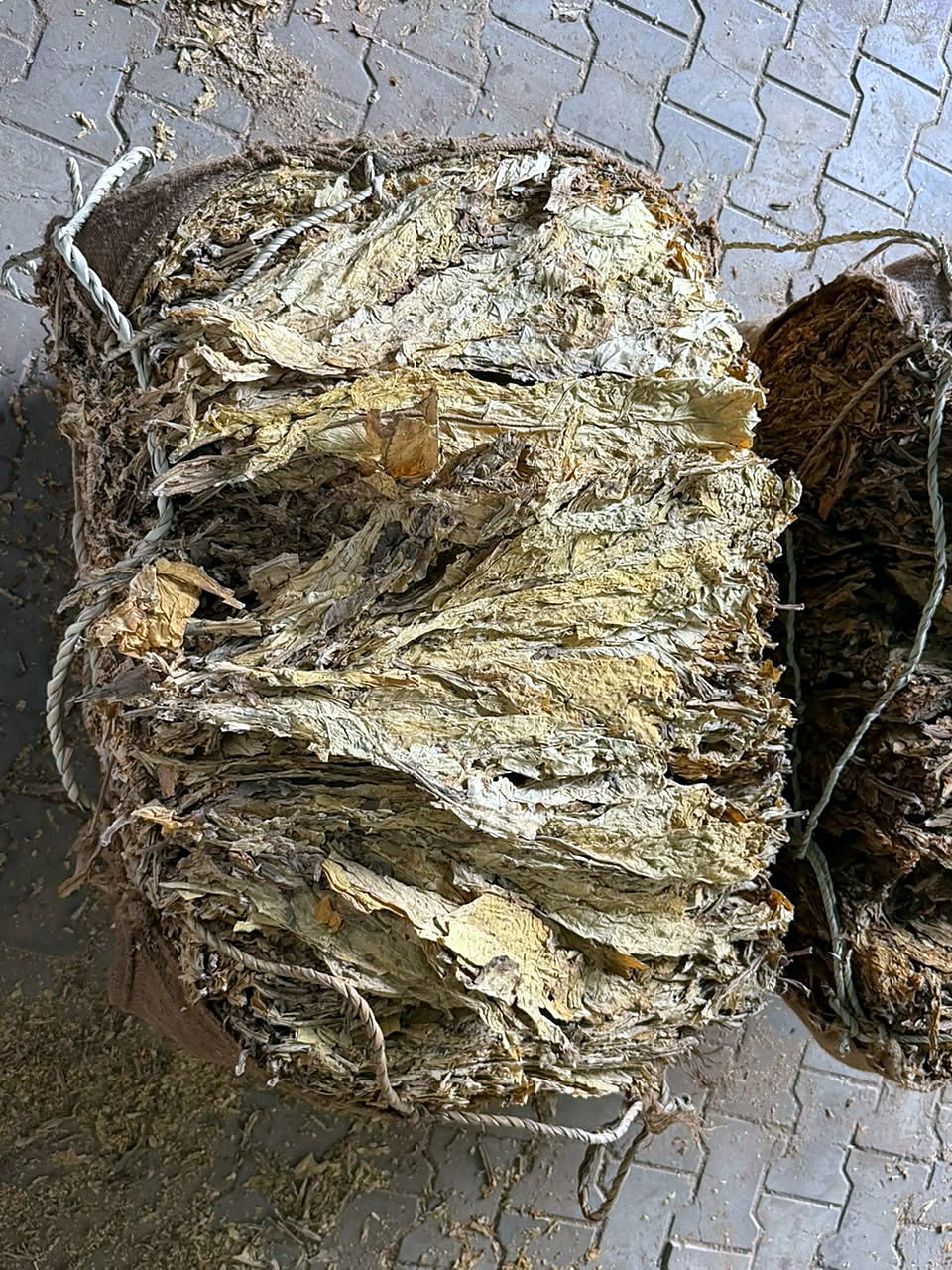
Our leaf, as we handle it
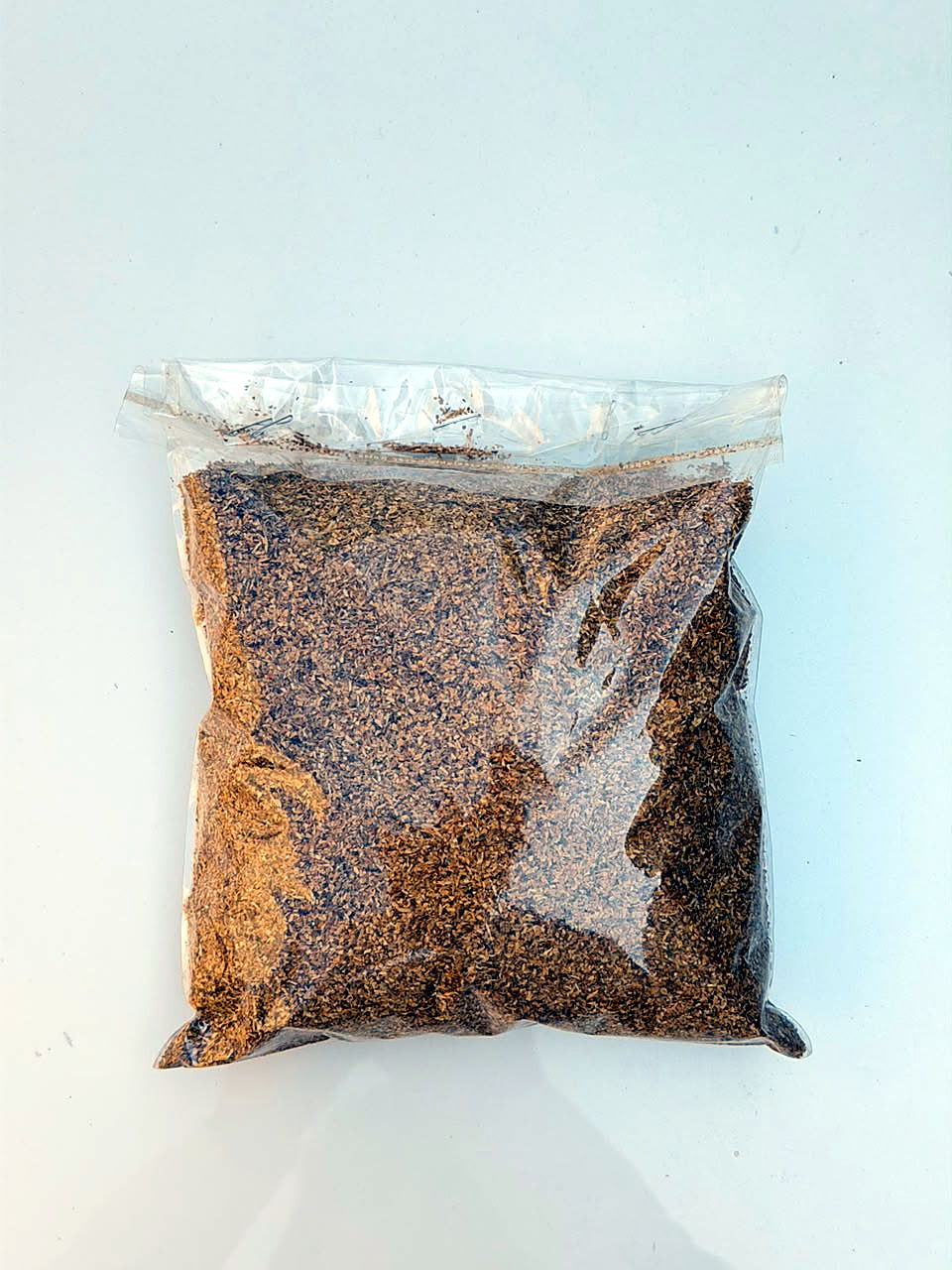
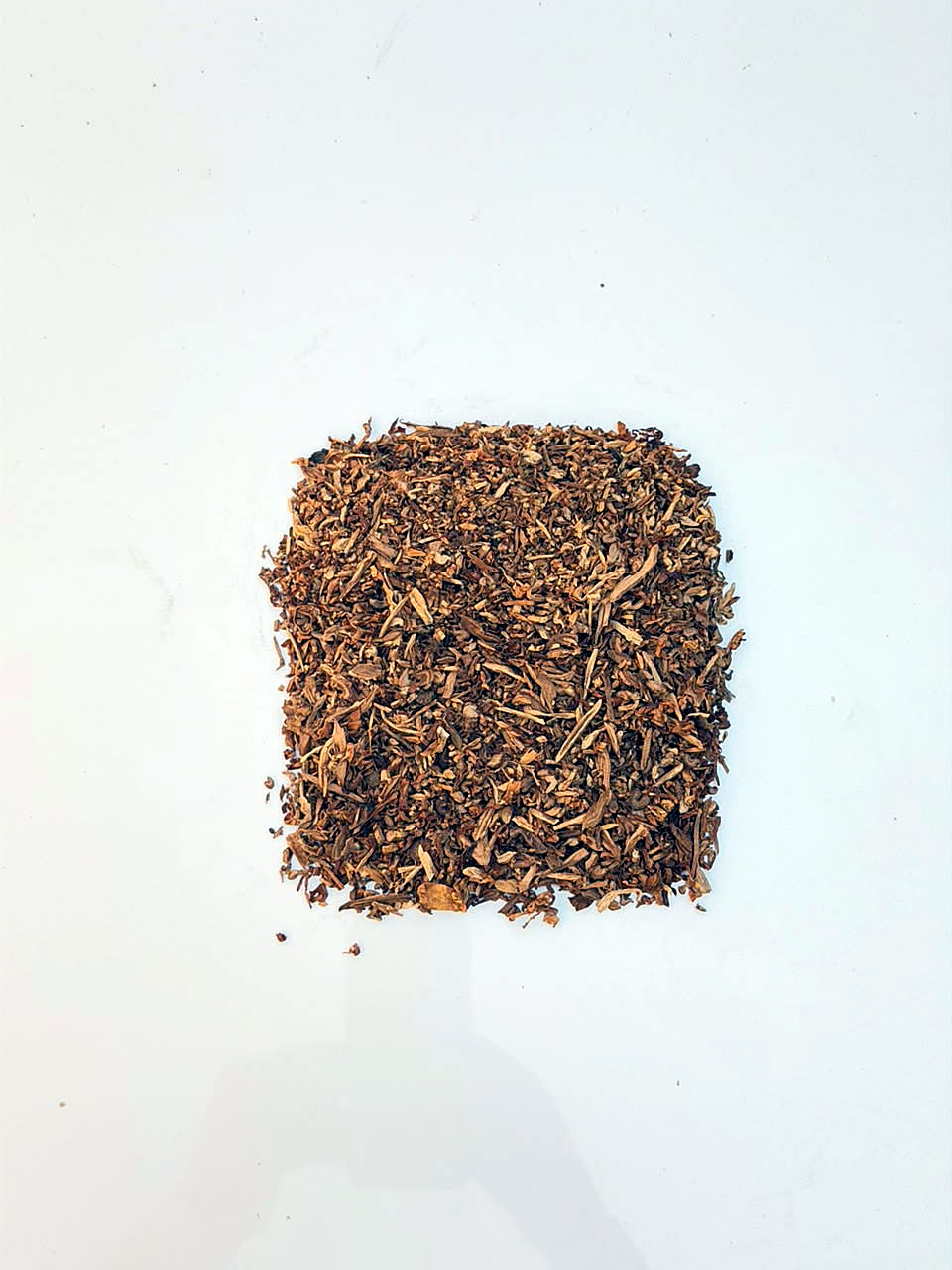
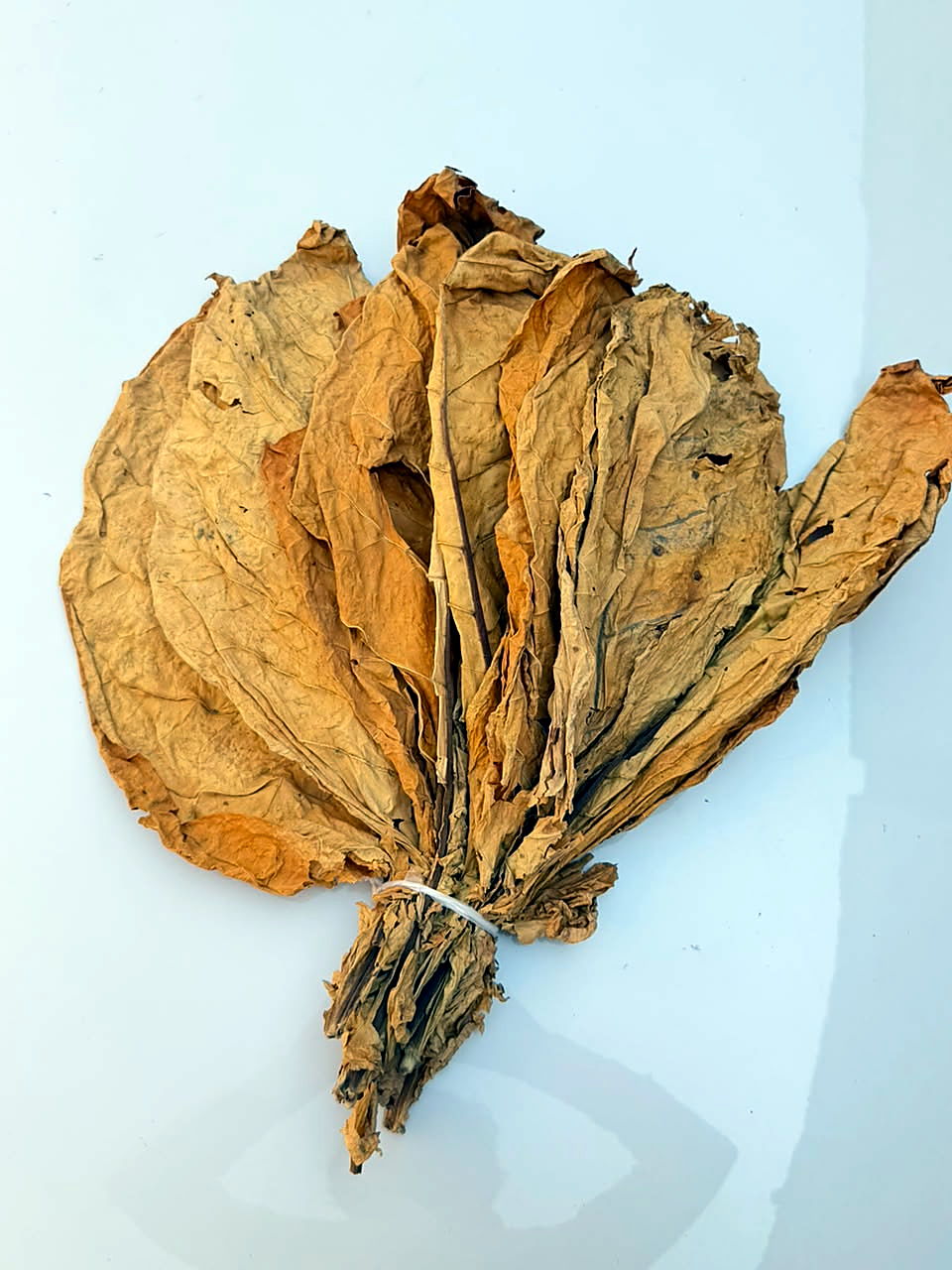
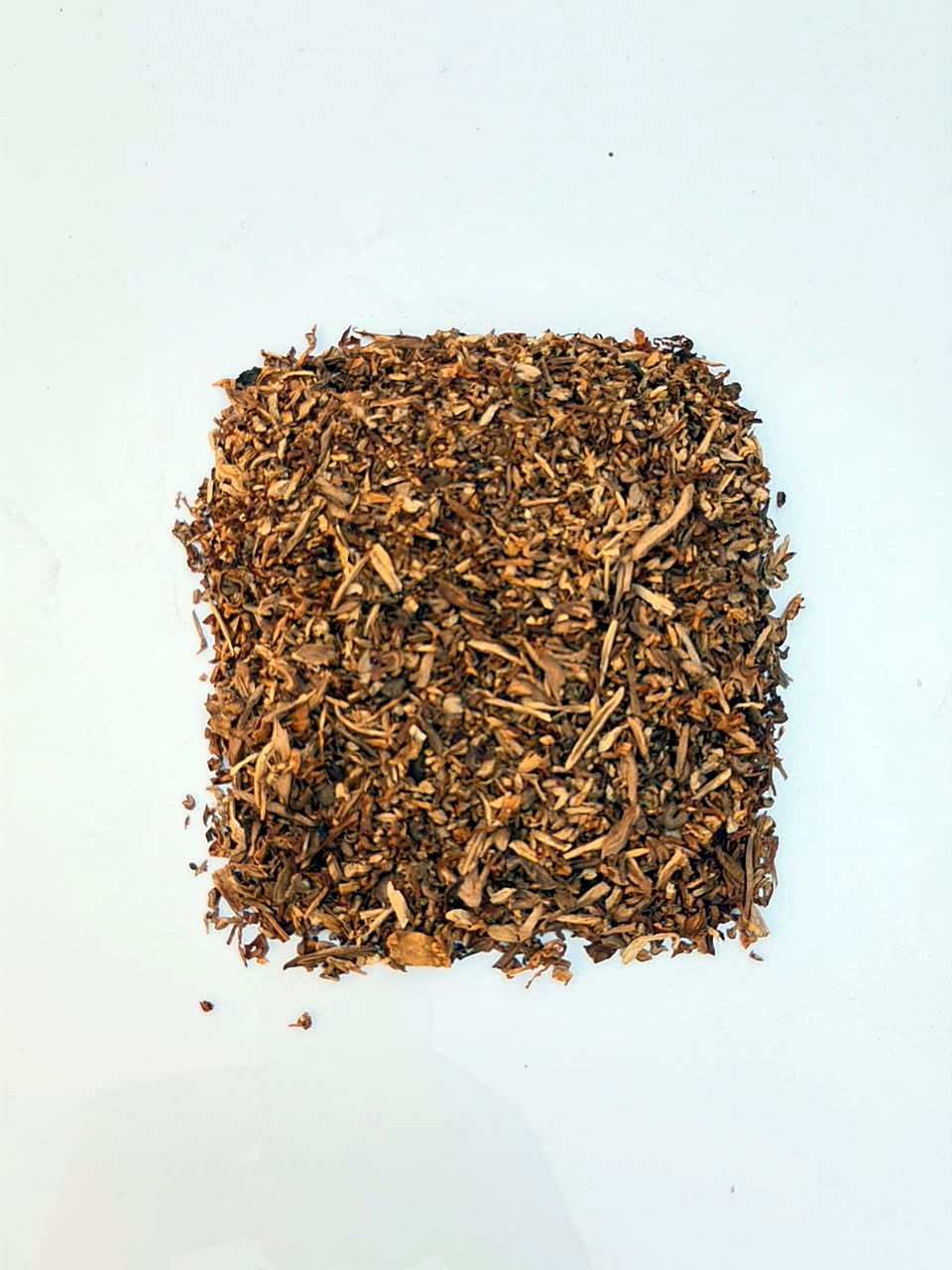
Whole leaf, hands of leaf, strips, fines and sealed samples from our own stock. See all 37 photographs.
Buyer feedback
What buyers say about working with us

Very Professional Company, for FCV tobacco a must considering company with a huge variety of Tobacco Leaves to buy for our brand of cigerettes.
Reply from FCV TobaccoThank you, Elena. Variety is exactly what we build our grade list around, so it is good to hear it made the selection for your brand easier. We look forward to the next lot.
Read on Google →
A very good company to work with. They are professional, reliable, and always deliver on time. Working with them has been a great experience, and I truly appreciate their commitment and service.
Reply from FCV TobaccoThank you, Shehzad. Delivering on the agreed window is something we take seriously, and we appreciate you saying so. Always a pleasure working with your team.
Read on Google →
Professional Company - Highly Recommended for FCV Tobacco in bulk. We are dealing with them for a long time.
Reply from FCV TobaccoThank you, Mehak. Long-standing relationships like yours are the best recommendation we could ask for. We appreciate your continued trust in our FCV supply.
Read on Google →كانت تجربتي مع خدمة العملاء ممتازة. التواصل كان سريعًا ومحترفًا، وتم التعامل مع الطلب والاستفسارات بوضوح واهتمام، ووصل كل شيء بشكل منظم كما توقعت.
Translated from Arabic: My experience with the customer service was excellent. Communication was fast and professional, the order and enquiries were handled clearly and attentively, and everything arrived well organised, as I expected.
Reply from FCV TobaccoThank you very much for your kind review. We appreciate it.
Read on Google →