Processing form
FCV tobacco scrap and fines
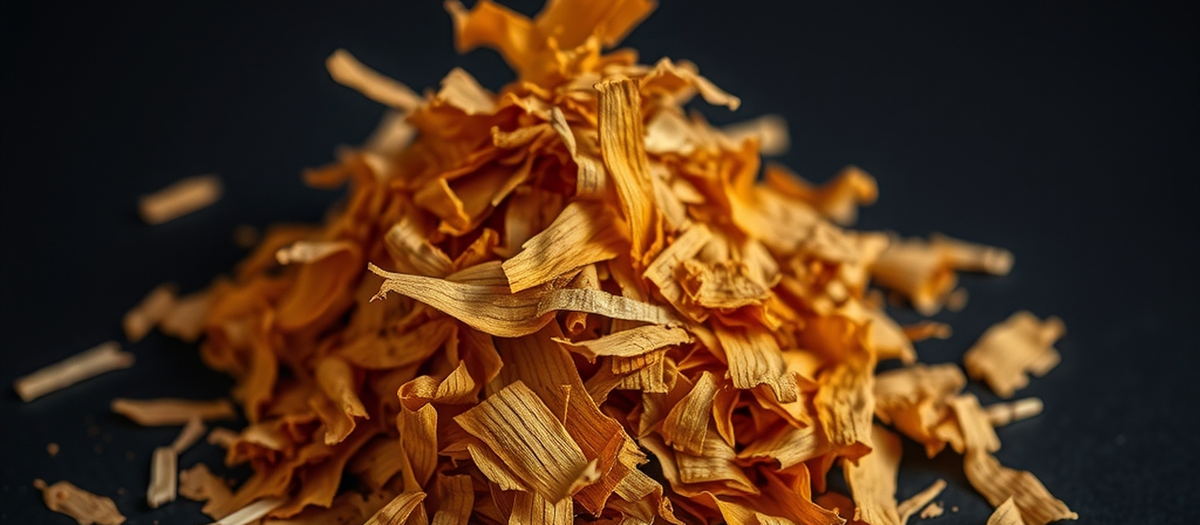
FCV tobacco scrap and fines are the small lamina fragments, broken leaf and dust that threshing, stemming and handling generate from flue-cured Virginia leaf, collected and sold in bulk as a by-product. They are raw material for reconstituted tobacco sheet, extracts and low-cost blends, bought by processors rather than blenders. FCV Tobacco Limited supplies them from its Khyber Pakhtunkhwa crop in full-container lots on FOB terms.
Enquire
Send a specification and receive availability against the current crop year.
WhatsApp our team Or send a written specification →MOQ 1 container (20 MT minimum) · FOB terms, shipped to any port · 50% advance, 50% on FOB

What scrap and fines are
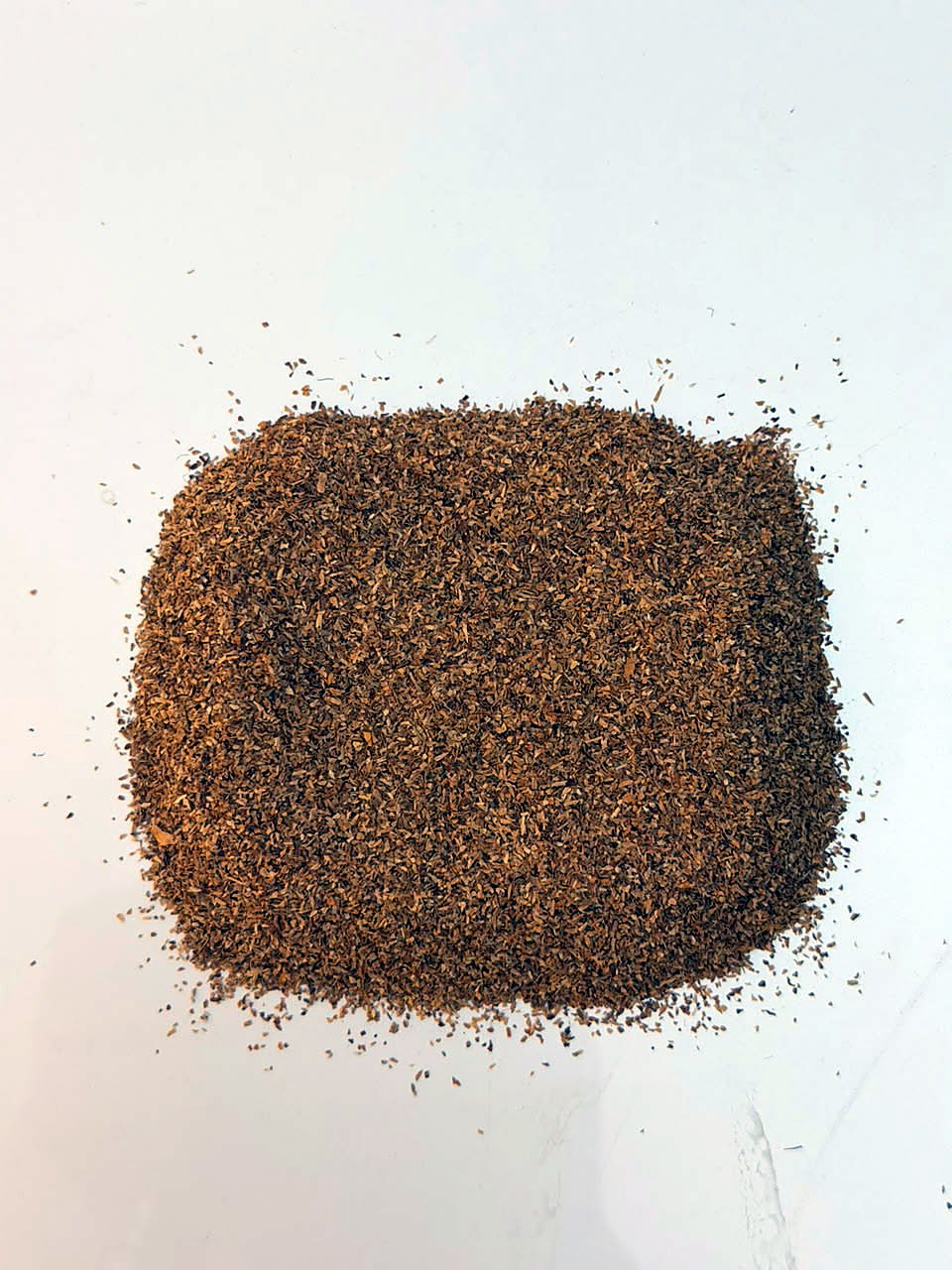
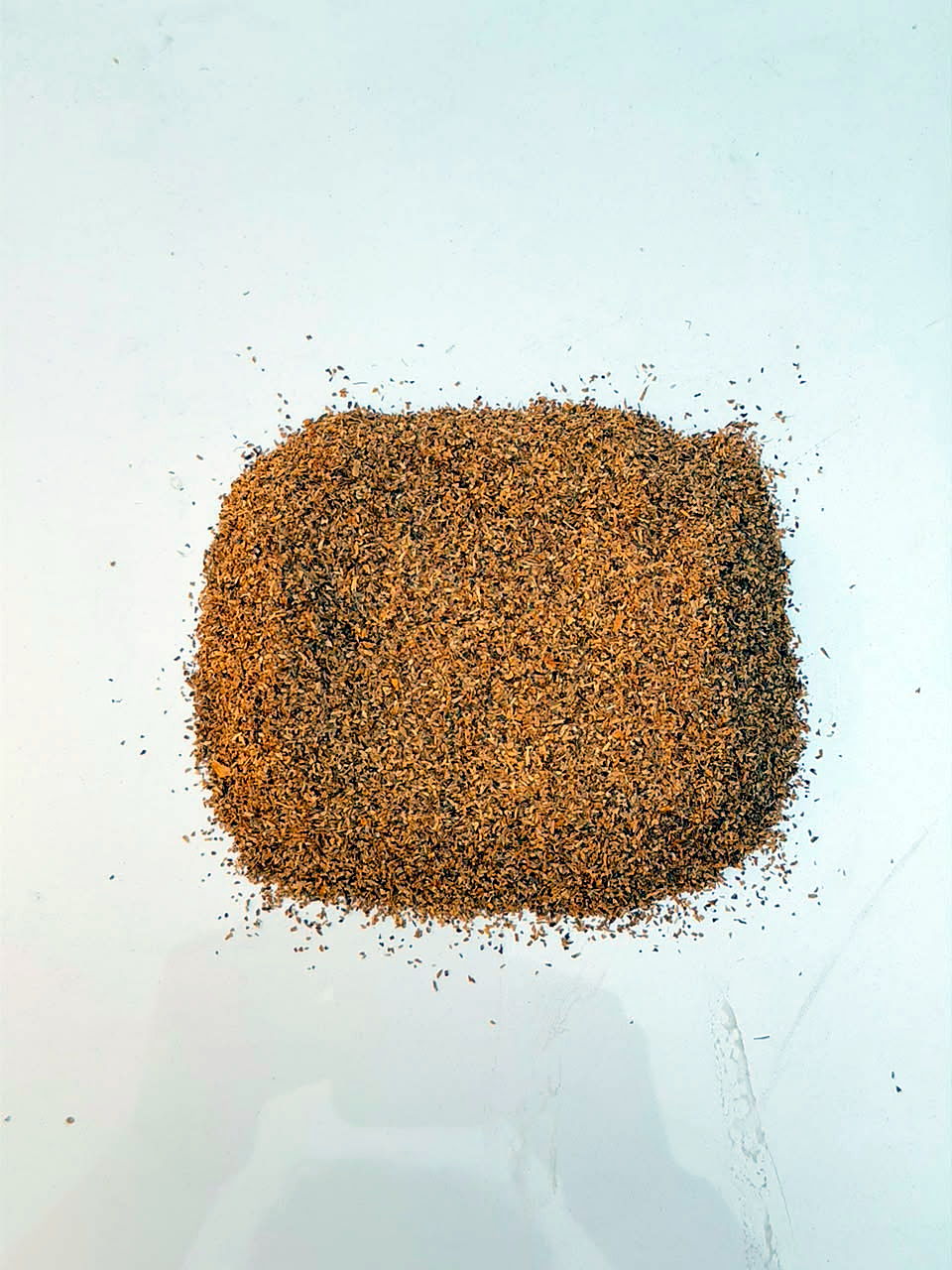
Scrap is lamina that is too small or too broken to sell as strips: fragments that pass the lower screens of a classifier, broken leaf from handling and re-grading, and lamina recovered from the bottom of C48 cartons. Fines are the smallest fraction, the particles that pass the finest screen, down to dust. The two are collected together or separately, depending on the line, and sold in bulk as a by-product of lamina production.
Scrap and fines are lamina, not stem, so their chemistry is that of the leaf they came from. What they lack is size. For a blender who needs strips they are useless; for a reconstitution plant, an extractor, or a maker of low-cost blends that will cut fine anyway, they are a cheap source of exactly the same tobacco solubles, nicotine and fibre as the lamina they were separated from.
Where they come from in processing
Every mechanical operation on cured leaf makes some scrap. Threshing generates the most: the classifiers that lift strips away from stem also screen out small lamina and dust at each stage. Machine stemming makes some, hand stemming very little. Grading, packing, opening C48 cartons and re-grading all break leaf and shed fines. A threshing plant collects these streams, and the resulting scrap and fines carry the mix of positions and colours that were being processed at the time unless the plant separates them.
That origin explains two things a buyer should know. Scrap from a line running bright, low-stalk leaf will be lighter in colour and lower in nicotine than scrap from a line running tips. And the particle-size distribution depends on the line's screens as much as on the leaf. Both should be specified rather than assumed.
Uses: reconstituted tobacco, extracts, low-cost blends
Reconstituted tobacco sheet is the largest use. Scrap and fines are ground, extracted with water, formed into a sheet with stems for fibre, and the extract re-applied; the sheet is cut and blended. Fines are valued here precisely because they are already small. Extraction is the second use: scrap and fines are a low-cost source of tobacco solubles and nicotine for products based on extracts. Low-cost blends are the third: scrap that is mostly small lamina rather than dust can be cut and blended directly in products where strip size does not matter.
Each use wants a different material. Reconstitution takes almost anything. Extraction wants chemistry and cleanliness. Blending wants scrap with a minimum of dust and a defined colour and position mix. Say which use you have.
Grading scrap: particle size, colour, position mix
Scrap is graded on three things. Particle size, by sieve analysis, which separates useful small lamina from dust and sets what a blend can do with it. Colour, which follows the leaf that was processed and matters for blends and for sheet colour. And position mix, since scrap from bright lower leaf and scrap from heavy upper leaf differ in nicotine and body. Where a plant keeps streams separate, scrap can be offered by position and colour like any other grade; where it does not, it is offered as mixed, and the certificate of analysis for the lot is the guide to what it contains.
Ask which applies to the lot you are quoted, and ask for the sieve analysis and the chemistry with the quotation.
Specifying scrap and fines: sieve fractions, moisture, contaminants
Specify the particle-size distribution as the shares retained on and passing your chosen screens, with the minimum share of usable small lamina and the maximum share of dust for your process. Specify moisture at packing with a tolerance; scrap and fines have a large surface area, take up moisture quickly and mould readily if packed wet. Specify the nicotine range and any other chemistry your process needs. Specify colour and position mix if your use is sensitive to them.
Set contaminant limits explicitly. Scrap and fines streams collect what the classifiers reject, so they can carry sand, stem fragments, string and other non-tobacco material at higher rates than lamina. State the maximum non-tobacco material, the maximum stem, and any requirement for metal detection or screening before packing.
Sampling and analysis for by-products
Scrap and fines are harder to sample representatively than strips because they segregate: dust sinks and larger pieces rise in handling. Insist that samples are drawn from several packages and from different depths, and that the sieve analysis and chemistry on the certificate reflect the lot as packed. Nicotine, moisture and any parameters you specify are analysed to CORESTA methods where they apply, and independent pre-shipment inspection can check moisture, packaging, weight and visible contamination before loading.
Packaging and shipment
Scrap is pressed into C48 cartons of about 140–200 kg net or packed in jute bags of about 50 kg with a polyethylene liner; fines and dust are normally packed in lined cartons or bags to contain them. Container payload depends on the density of the material and how it is pressed, so confirm the expected tonnage per 20 ft or 40 ft container with the quotation rather than assuming the lamina figures. Shipments are FOB, shipped to any port (loading at Karachi or Port Qasim) with a one-container minimum by sea or 20 MT by land, and travel with the standard export documentation, including the phytosanitary certificate and the per-lot laboratory report.
Storage: dust, moisture and pests
Keep scrap and fines dry and cool, off the floor, in closed packaging, and use them in rotation. The material's surface area makes it quick to absorb moisture and quick to mould, and its small particle size makes it attractive to storage insects and hard to fumigate evenly; inspect on receipt and act under your own country's rules. Dust is a handling and fire-safety matter: manage it with the extraction and housekeeping your plant applies to any tobacco dust.
Cost considerations
Scrap and fines are the lowest-priced form of lamina, priced as a by-product against the demand from reconstitution and extraction plants. Because the price per tonne is low, freight, packaging and handling are a large share of landed cost, which favours full containers, dense packing and lined cartons that arrive intact. Compare offers on a stated moisture basis and on a stated sieve analysis, since a cheaper lot with more dust and more water may cost more per kilogram of usable material. Ask for a quotation against a written specification; the catalogue shows indicative price bands: FCV 8–10 USD/kg, scraps 4–5 USD/kg FOB, volume-dependent.
Ordering scrap and fines
State the use, the sieve distribution, the moisture range, the chemistry, the colour and position mix if they matter, the contaminant limits, the packaging, the quantity in containers, the destination port, the Incoterm and the delivery schedule, and whether you will nominate a laboratory or an inspection company. Send it through the quotation form. The reply confirms availability against the processing season and the achievable specification, lot by lot.
FCV Tobacco Scrap and Fines — Processing By-Products
FCV tobacco scrap and fines are processing by-products that arise during threshing and stemming of Pakistan-origin Flue-Cured Virginia Tobacco. Scrap refers to small broken leaf fragments; fines are the smallest particles produced during processing. Both are distinct from tobacco stems and midribs, which are the central rib structures removed during stemming.
These materials are used in industrial tobacco manufacturing applications including reconstituted tobacco sheet production, tobacco extract manufacturing, and as a low-cost filler component in certain blend applications. They are intended for qualified commercial buyers with appropriate industrial processing capabilities.
Specifications for scrap and fines are lot-specific and depend on the source material and processing method. Chemical parameters including moisture, nicotine, and reducing sugars are confirmed by laboratory analysis per lot. Buyers should request current specifications and commercial terms before ordering.
FCV Tobacco Limited supplies tobacco scrap and fines to verified commercial buyers including licensed manufacturers, processors, and industrial buyers. All buyers are subject to verification before any transaction proceeds.
Tobacco scrap and fines should not be described as waste when processing by-product is the more accurate term. These materials retain the chemical characteristics of the source FCV tobacco and are valued inputs in reconstituted tobacco manufacturing.
FCV Tobacco supports delivery of scrap and fines to major commercial ports in Belgium, Poland, Italy, Spain, the Netherlands, Germany, France, Portugal, Greece, Romania, Bulgaria, Croatia, Slovenia, Lithuania, Latvia, Estonia, and other legally permitted destinations worldwide. Delivery availability depends on the destination, applicable import regulations, buyer documentation, product availability, and available shipping routes.
| Parameter | Value |
|---|---|
| Product Form | Scrap and fines (processing by-product) |
| Origin | Pakistan (Khyber Pakhtunkhwa) |
| Tobacco Type | Flue-Cured Virginia (FCV) |
| Source | Threshing and stemming operations |
| Moisture | Lot-specific; confirmed by lab analysis |
| Nicotine | Lot-specific; confirmed by lab analysis |
| Reducing Sugars | Lot-specific; confirmed by lab analysis |
| Packaging | Subject to product type and order requirements |
| MOQ (Land) | 20 Metric Tons |
| MOQ (Sea) | 1 container (20 MT) |
| Incoterm | FOB shipped to any port |
Typical Use Cases
- Reconstituted tobacco sheet manufacturers requiring FCV-origin filler material
- Tobacco extract producers sourcing bulk FCV by-product material
- Industrial buyers incorporating scrap and fines into low-cost blend applications
- Processors requiring bulk FCV tobacco processing by-products for further treatment
Tobacco scrap and fines availability depends on processing output, crop year, and current stock. Availability depends on the requested specification and shipment volume. Contact us with your requirements for a current availability and price indication.
From our stock
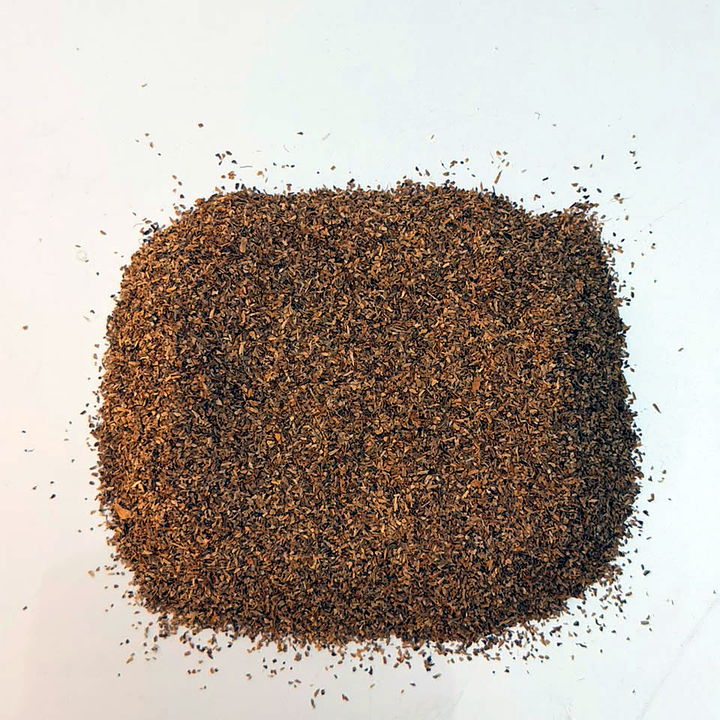
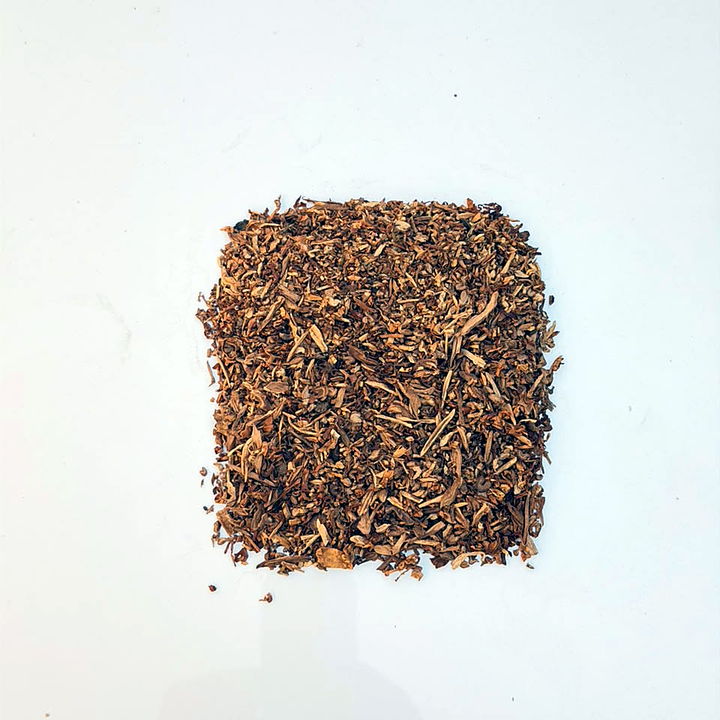
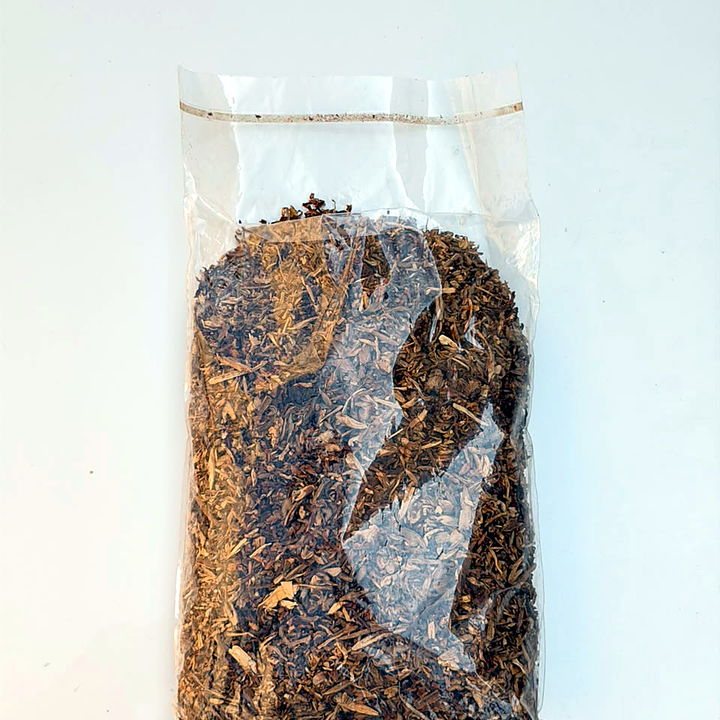
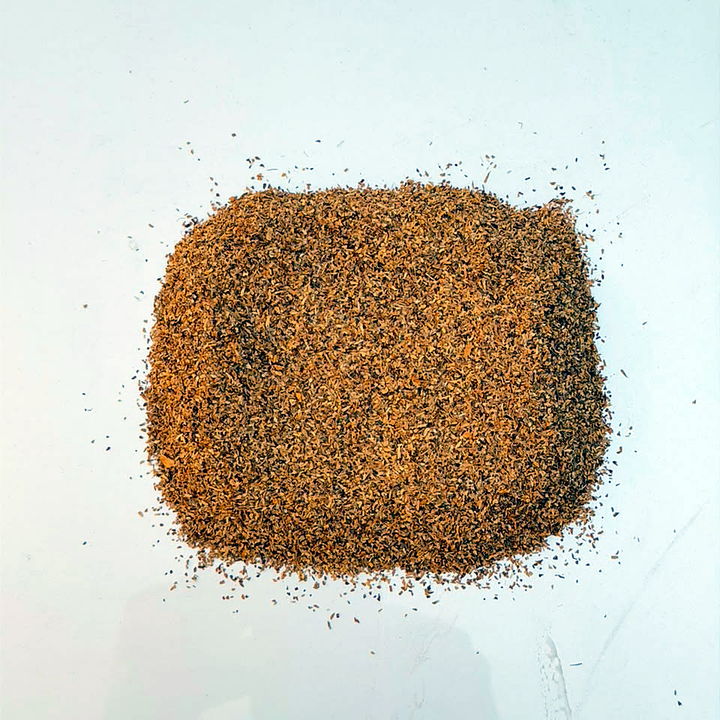
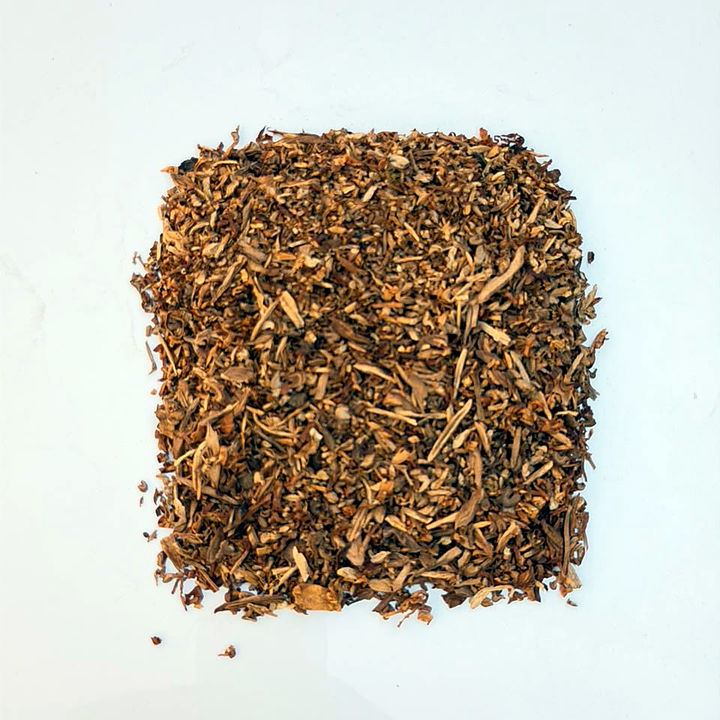
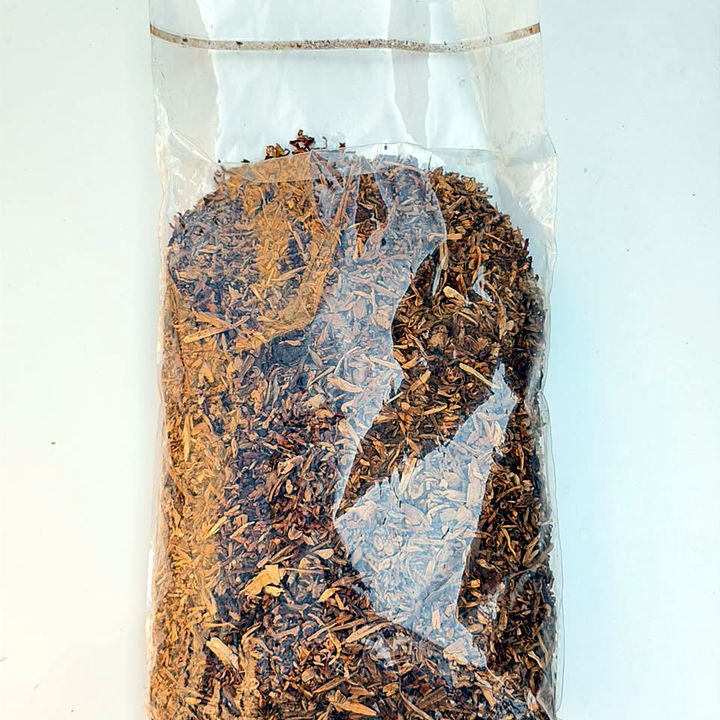
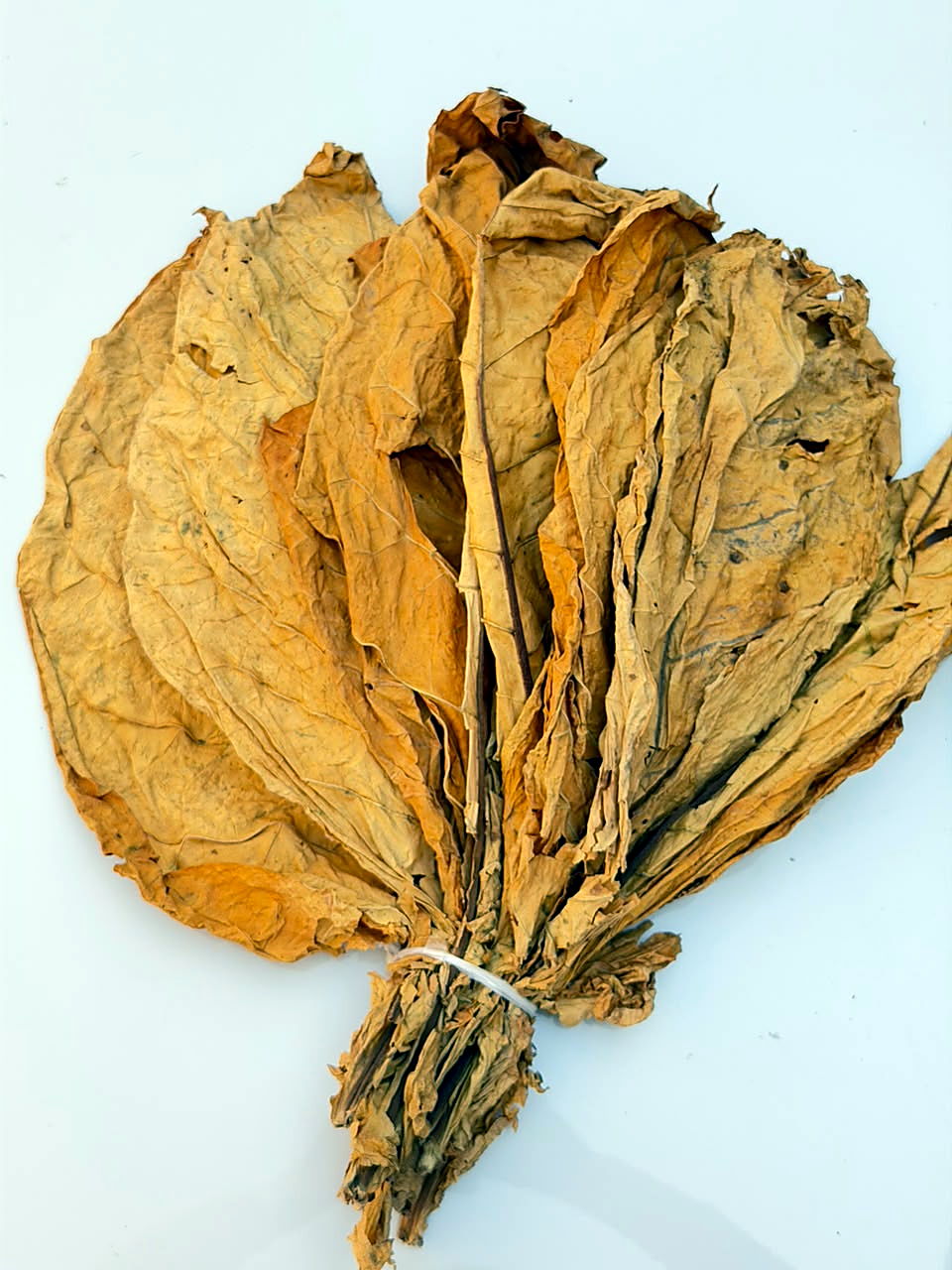
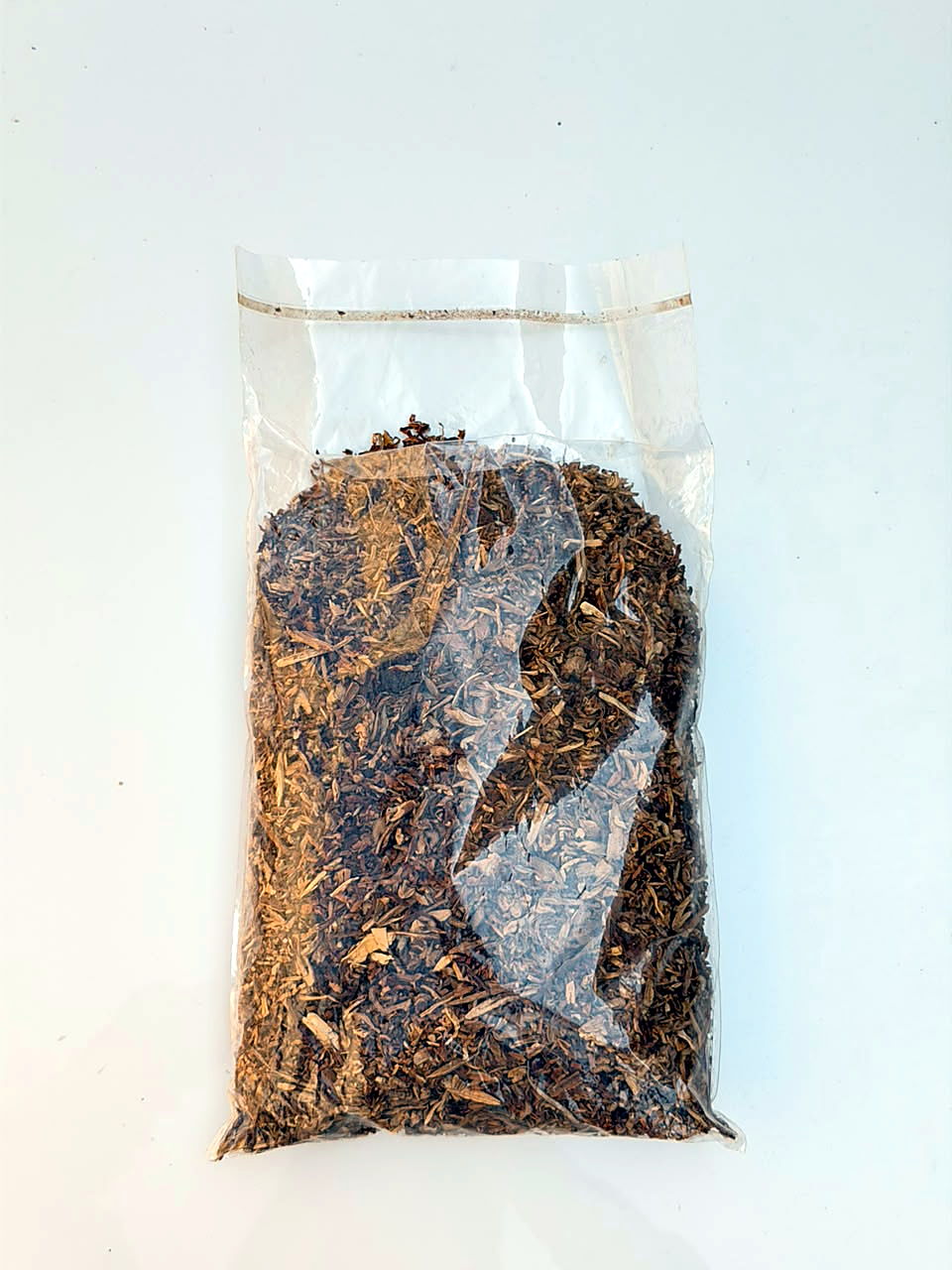
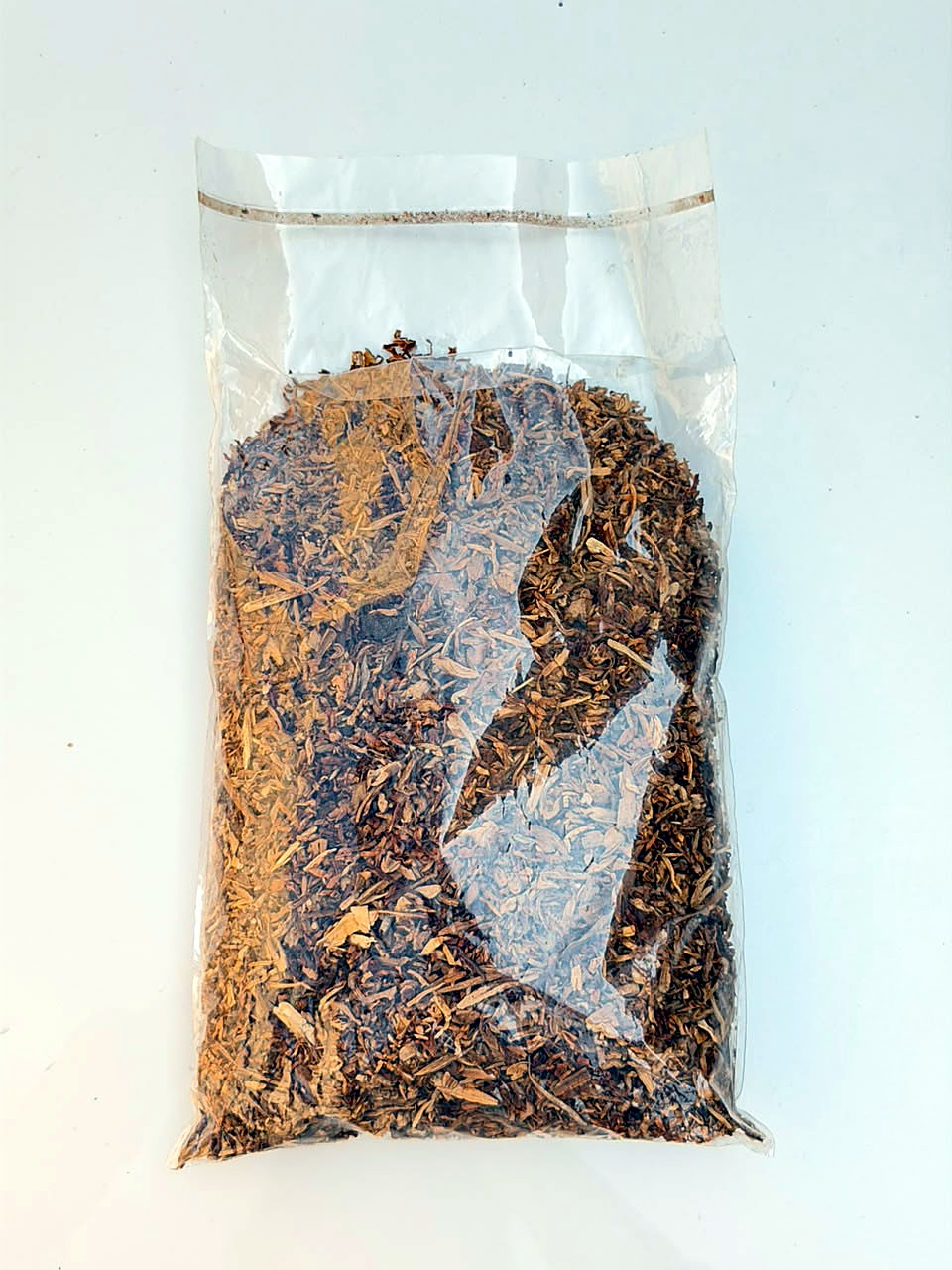
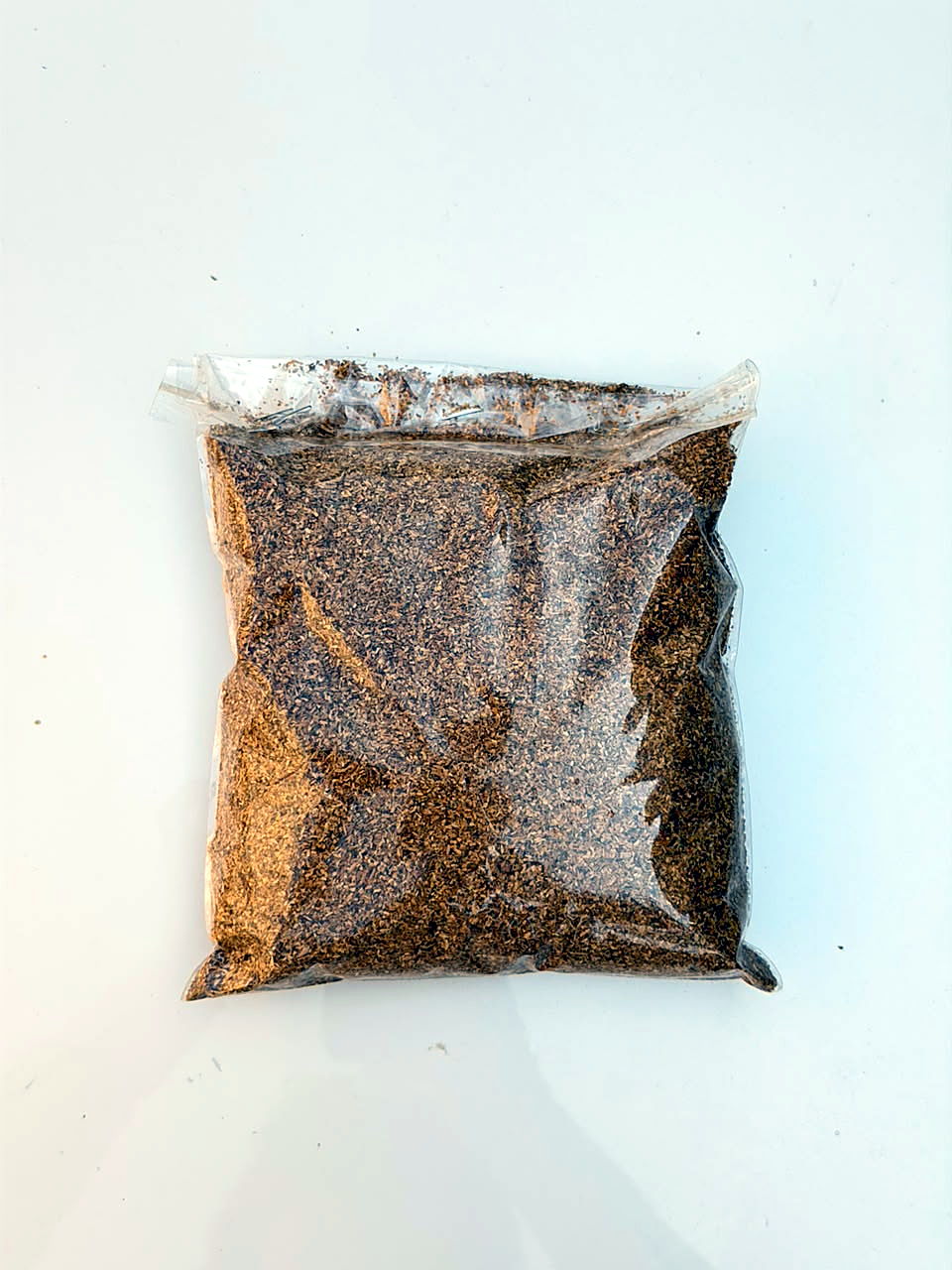
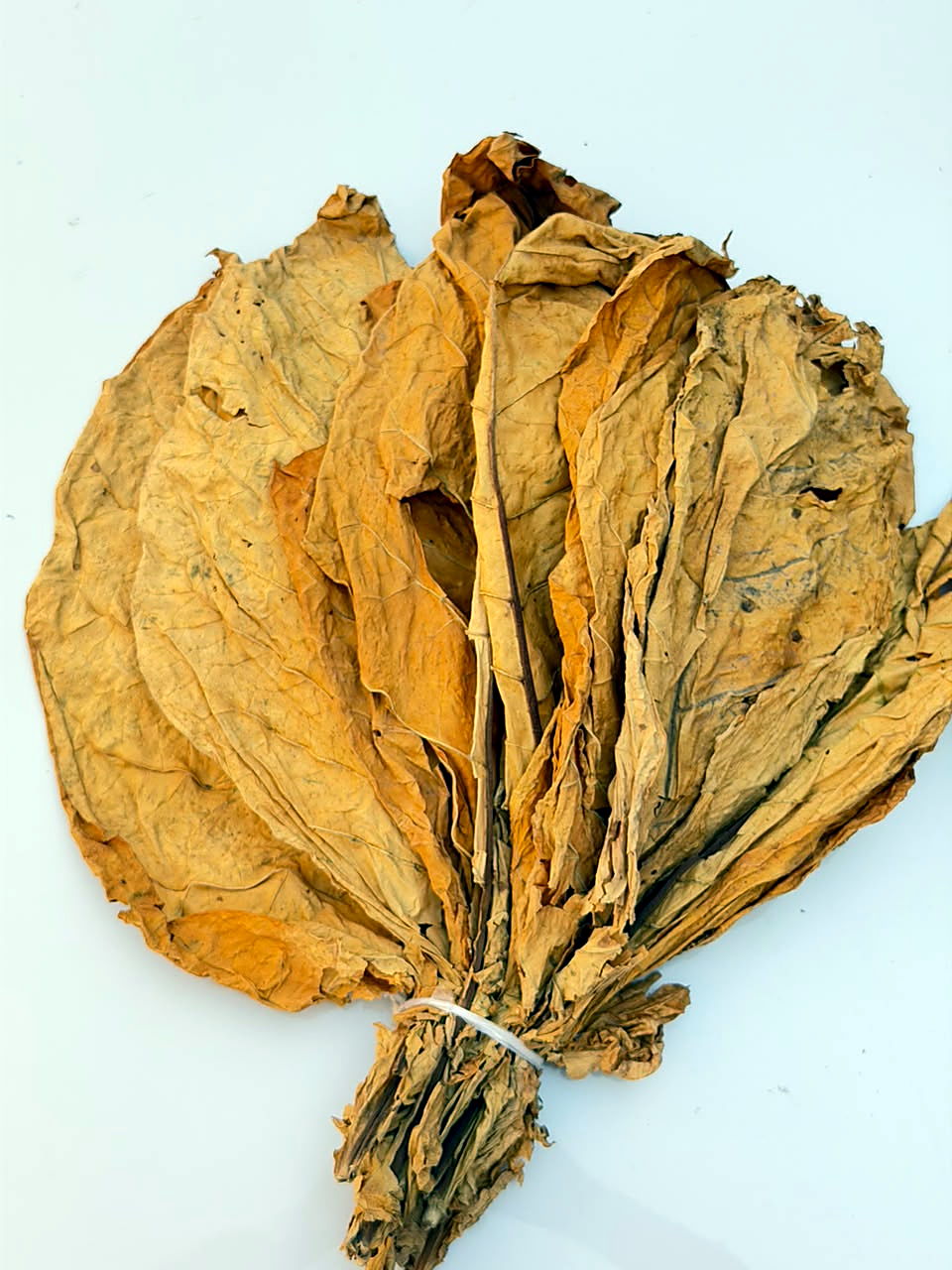
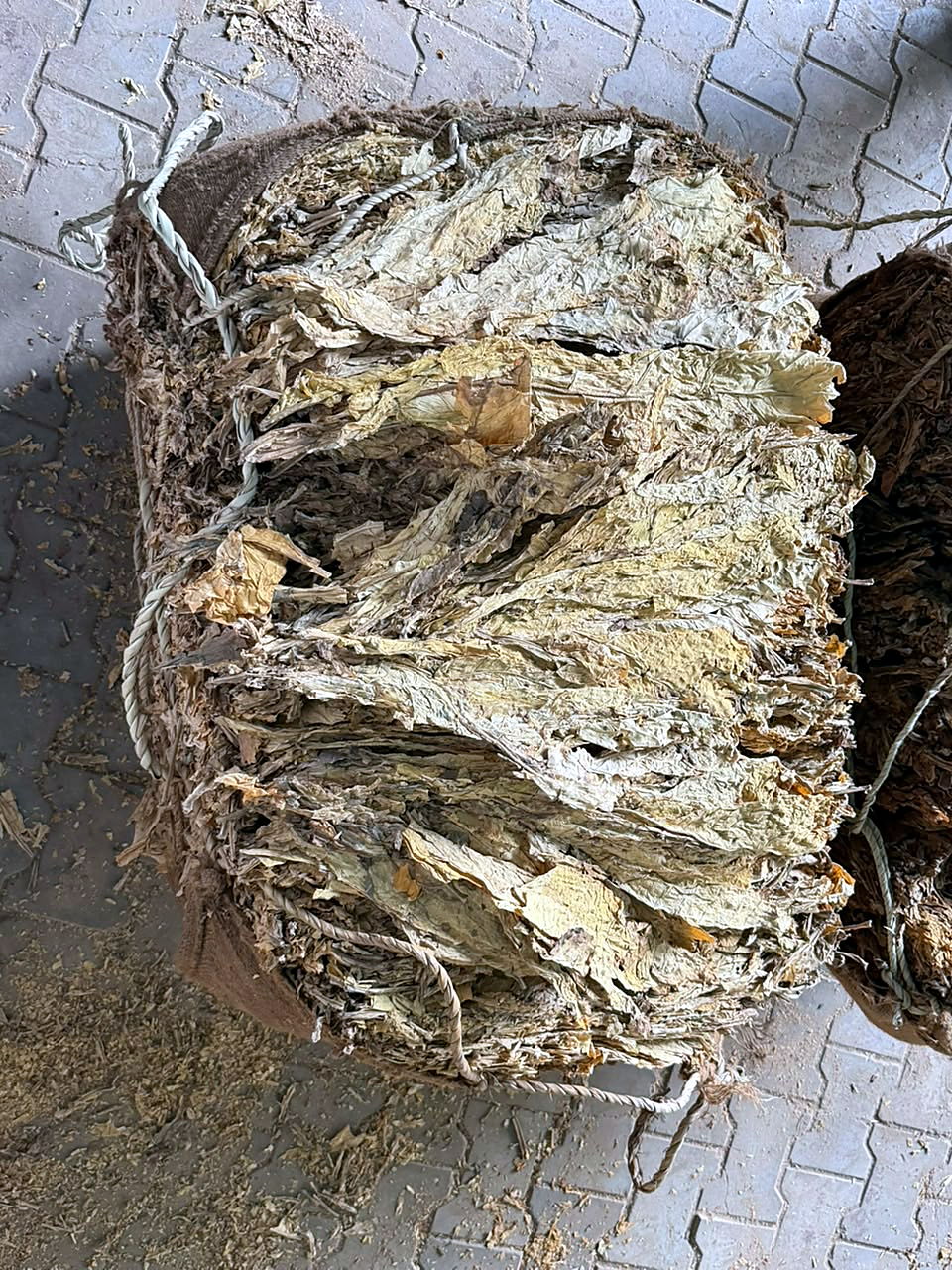
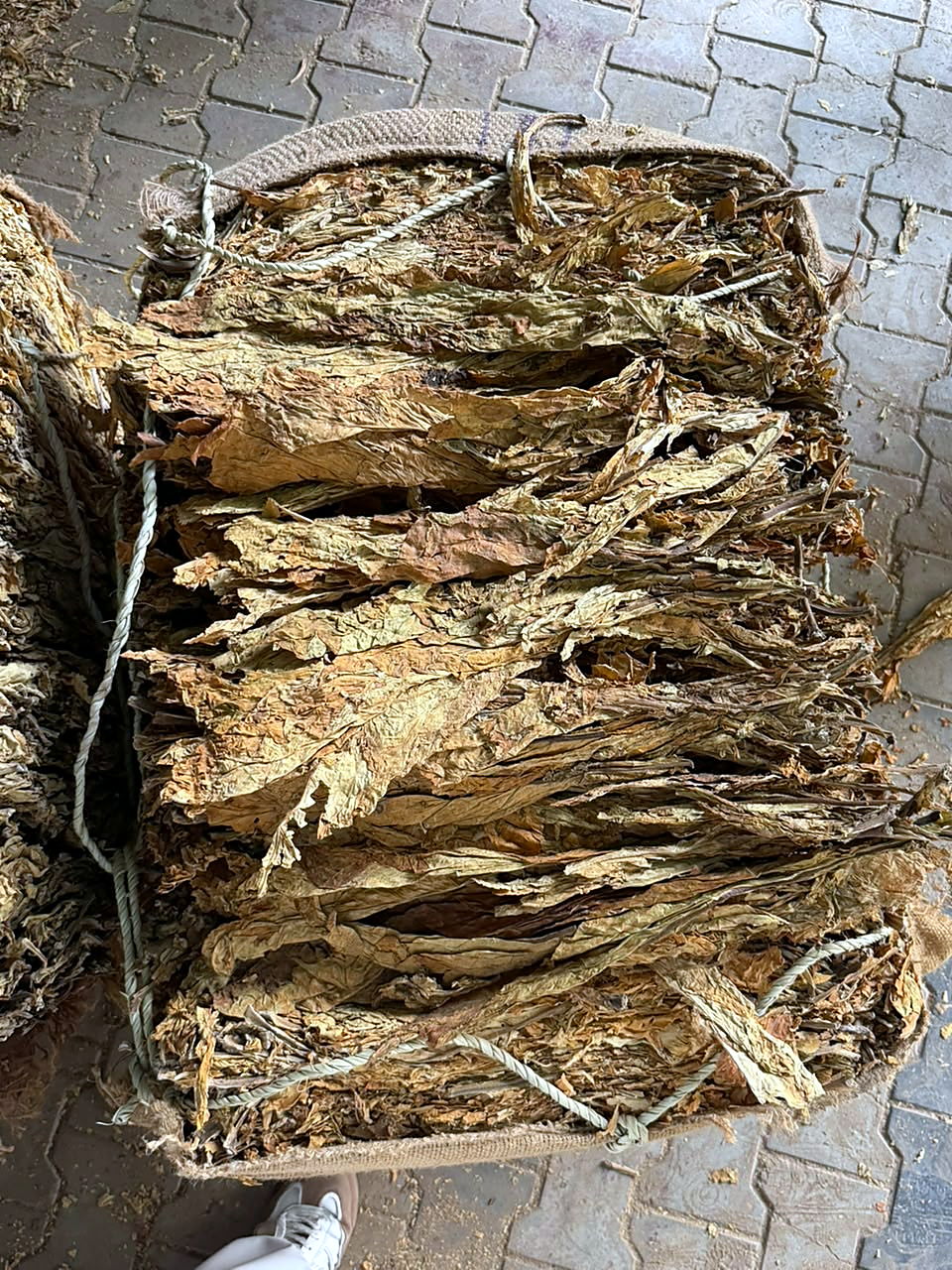
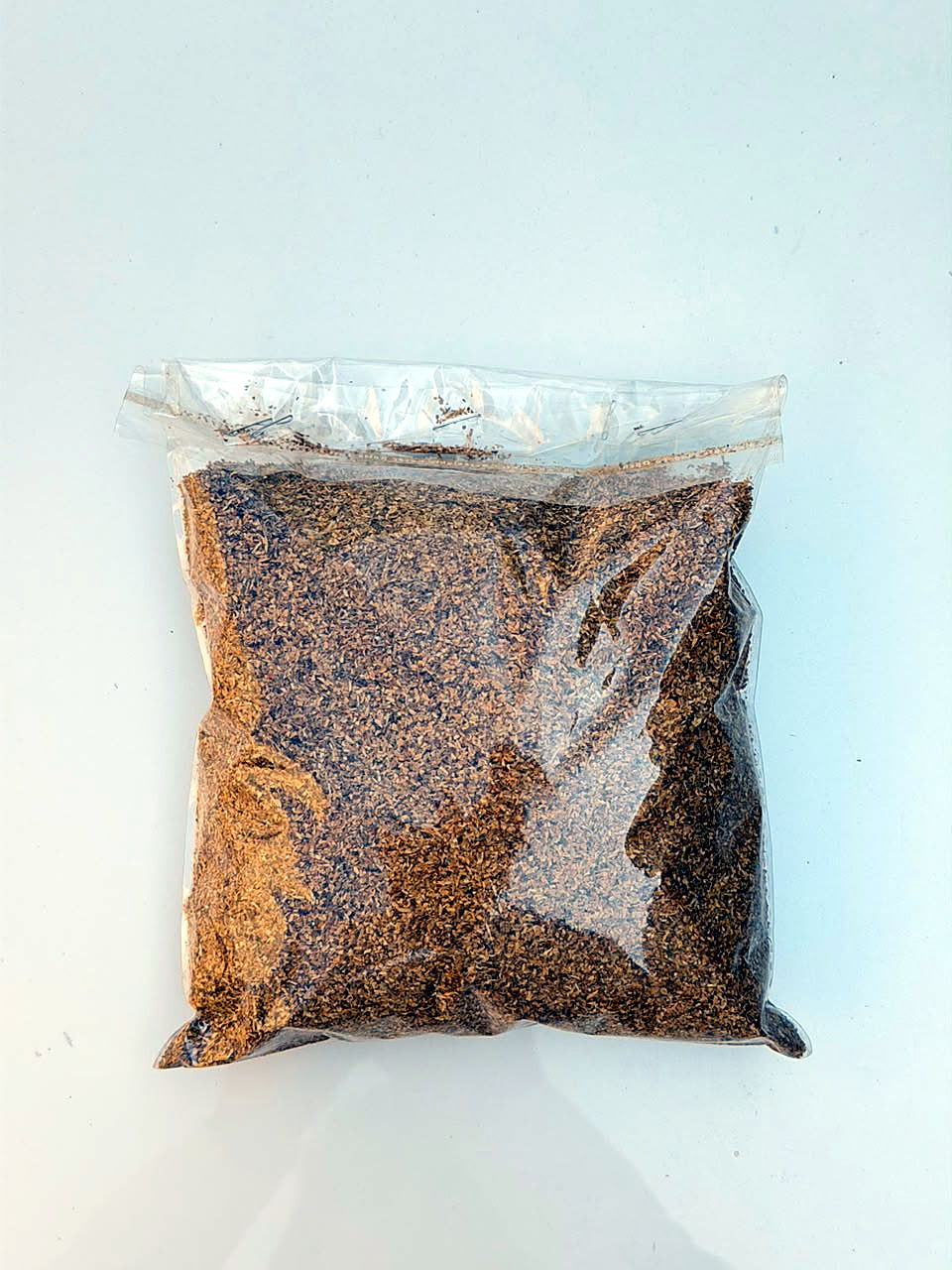
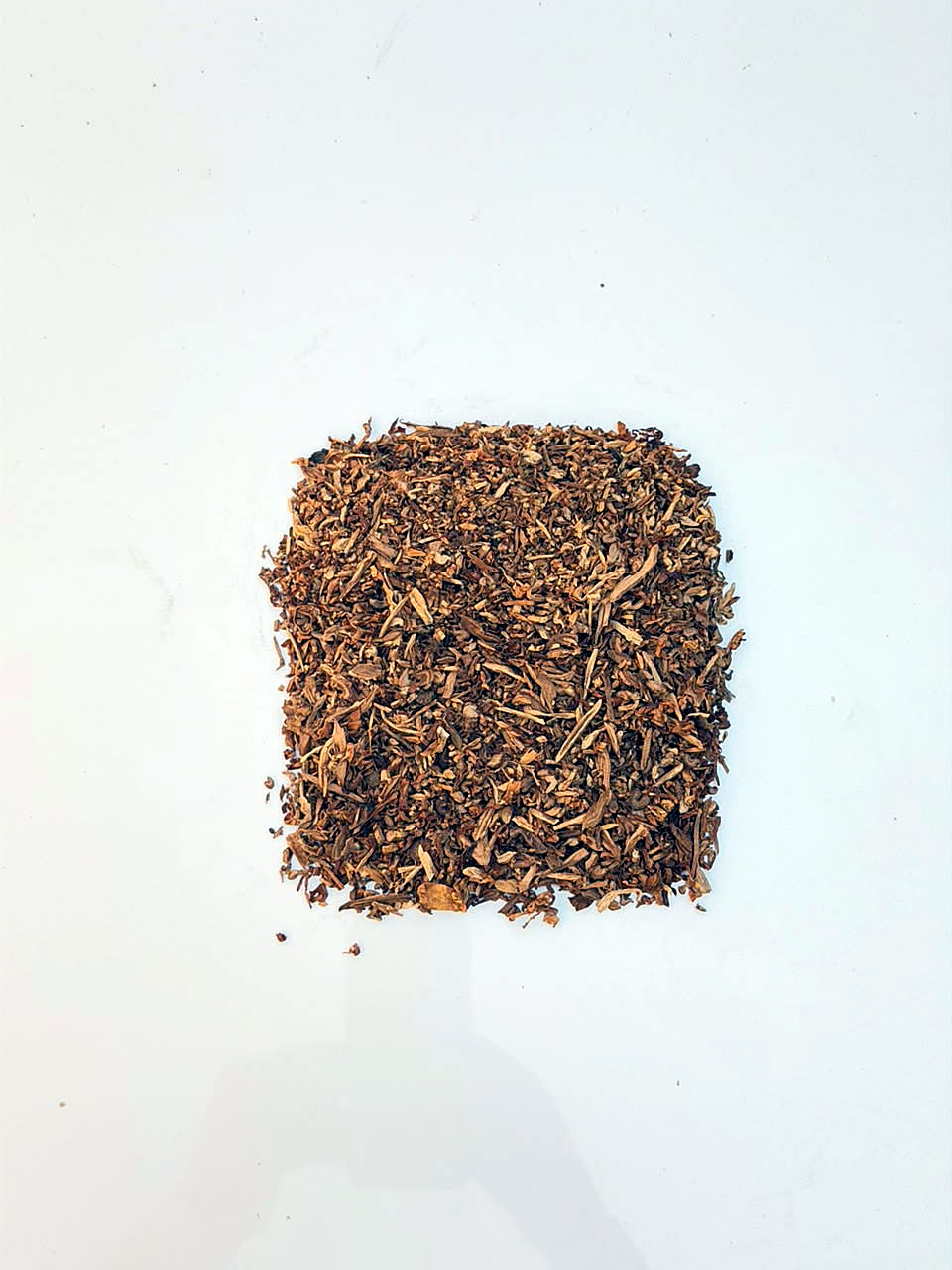
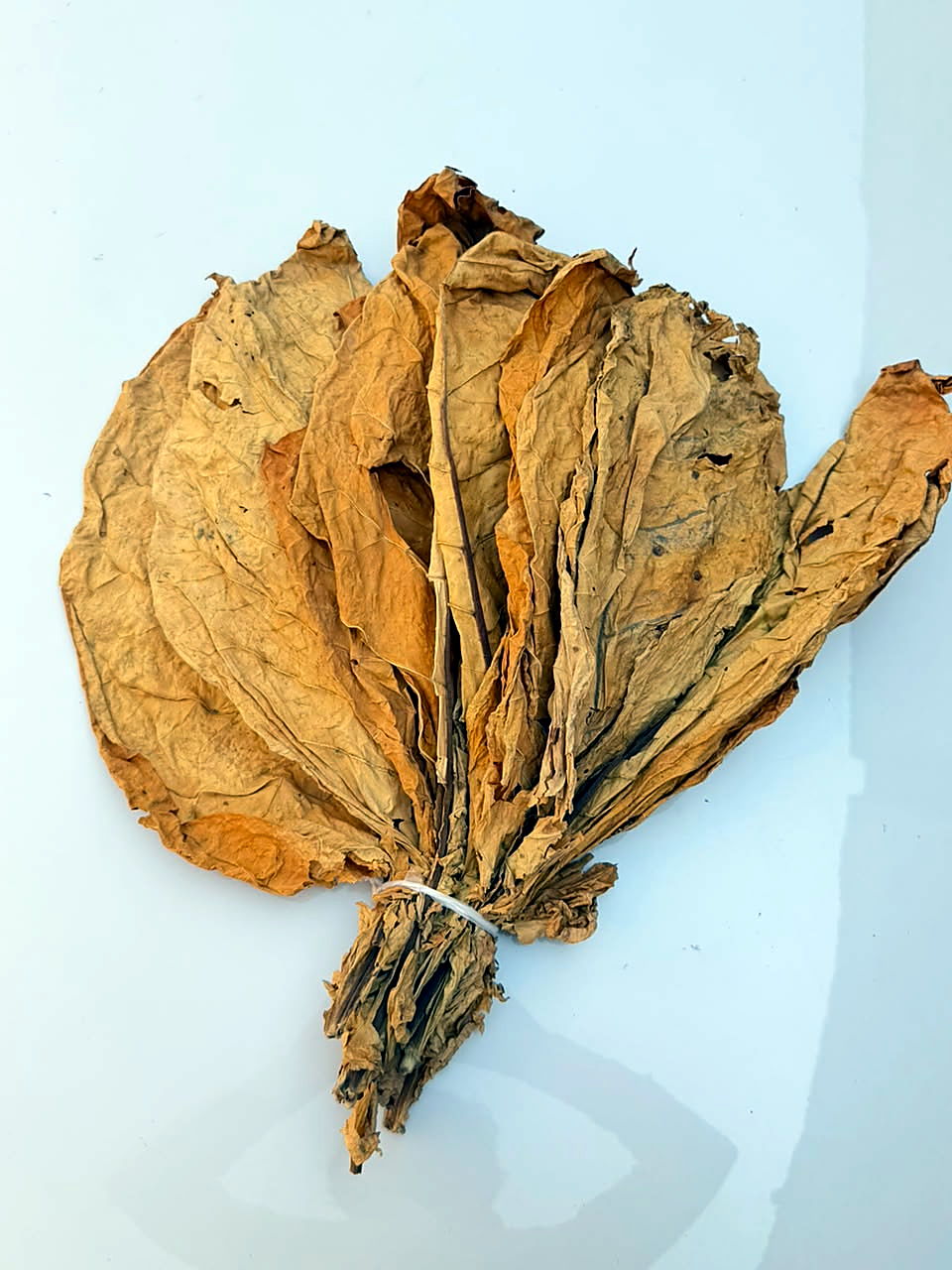
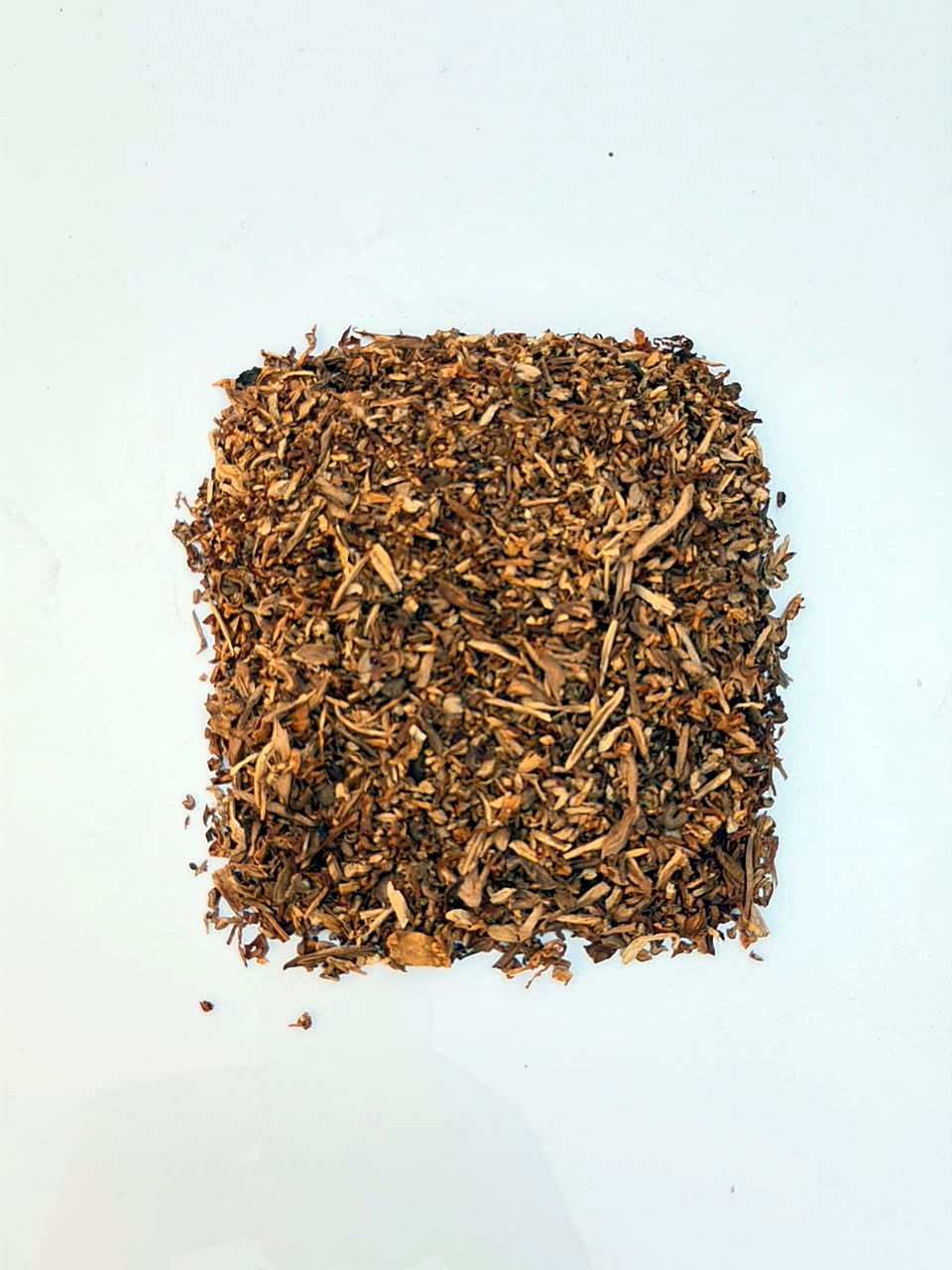
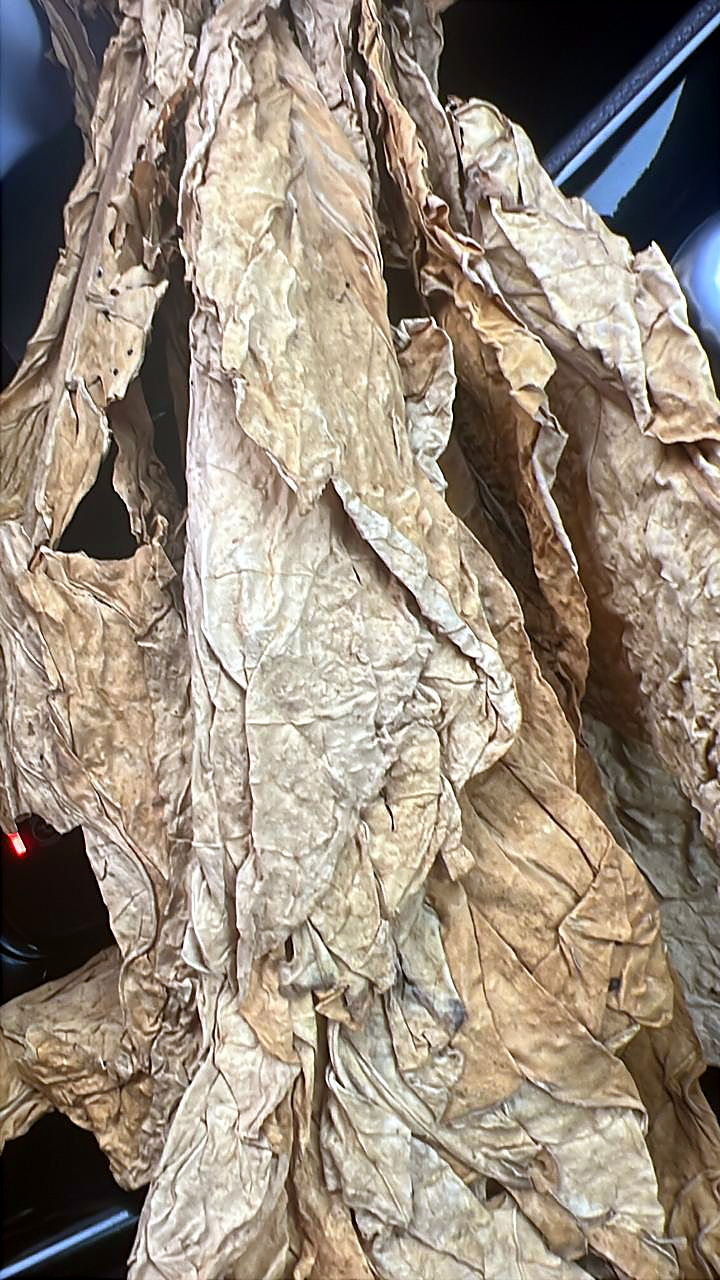
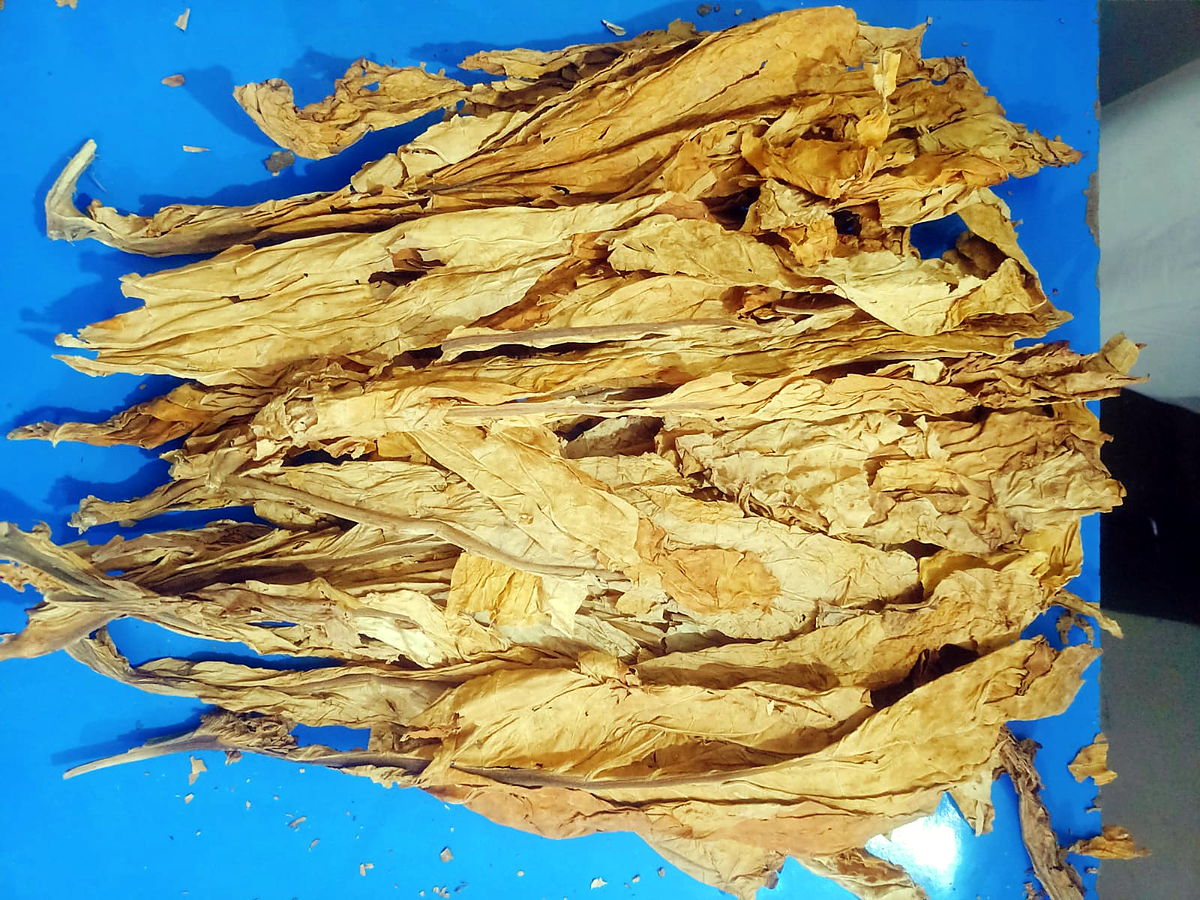
Photographs of the leaf and samples as we handle them. Colour and body vary by stalk position, colour class, crop year and lot; ask for current photographs of the specific lot with your quotation.
Grade and colour compatibility
This processing form is available across the stalk positions and colour classes below. Availability is lot-dependent and confirmed against the current crop year at the time of enquiry.
| Code | Stalk position | Colour range | Nicotine (indicative) | Body |
|---|---|---|---|---|
| P | Primings | Lemon to Lemon-Orange | Low (0.8–1.5%) | Light |
| L | Lugs | Lemon-Orange to Orange | Low–moderate (1.2–2.0%) | Light–medium |
| C | Cutters | Orange to Variegated | Moderate (2.0–2.8%) | Medium |
| X | Smoking Leaf | Orange to Variegated | Moderate–high (2.5–3.2%) | Medium–full |
| F | Leaf | Orange to Red | Moderate–high (2.8–3.5%) | Full |
| T | Tips | Red to Mahogany | High (3.0–4.0%+) | Full–heavy |
Bright yellow. Highest-quality colour. Associated with primings and lugs from well-managed crops.
Yellow-orange. Common in lugs and lower cutters. Good colour development.
Bright orange. Mid-stalk standard colour. Most common commercial colour class.
Mixed orange and red tones. Typical of mid-upper stalk positions.
Deep red-orange. Upper stalk. Higher nicotine associated.
Dark reddish-brown. Tips and sub-mountain leaf. Highest nicotine range.
Green tones indicating incomplete curing or early harvest. Lower commercial value.
Dark or mixed colour. By-product grades and lower-quality lots.
Frequently asked questions
Scrap is lamina too small or broken to sell as strips, screened out by classifiers or recovered from handling; fines are the smallest fraction down to dust. Both are lamina rather than stem, so they carry the chemistry of the leaf they came from, and both are sold in bulk as by-products of lamina production.
Reconstituted tobacco sheet, which values fines because they are already small; extraction of tobacco solubles and nicotine; and low-cost blends that will cut fine in any case and can use scrap that is mostly small lamina rather than dust. Say which use you have, because each wants a different material.
By particle size through sieve analysis, by colour, which follows the leaf processed, and by position mix, since scrap from bright lower leaf differs in nicotine and body from scrap from heavy upper leaf. Where a plant keeps streams separate, scrap is offered by position and colour; otherwise it is offered as mixed with the lot's certificate of analysis as the guide.
Explicit maxima for non-tobacco material, stem and sand, and any requirement for metal detection or screening before packing, because scrap and fines streams collect what classifiers reject. Add nil foreign matter and check visible contamination at independent pre-shipment inspection.
Because the material segregates in handling: dust sinks and larger pieces rise. Insist that samples are drawn from several packages and depths and that the sieve analysis and chemistry on the certificate reflect the lot as packed, then repeat the sieve analysis on receipt.
Scrap in C48 cartons of about 140–200 kg net or lined jute bags of about 50 kg; fines and dust in lined cartons or bags to contain them. Payload per container depends on density and pressing and is confirmed with the quotation. Shipments are FOB, shipped to any port (loading at Karachi or Port Qasim) with a one-container minimum.
On a stated moisture basis and a stated sieve analysis, because a cheaper lot with more dust and more water can cost more per kilogram of usable material, and on landed cost including freight, packaging and handling, which are a large share for a low-priced material. Full containers, dense packing and lined cartons that arrive intact keep that share down.
Related information
Watch the leaf
See it move before you ask for samples
Short clips filmed in our store, on the grading floor and on the processing line. Whole leaf, cut leaf, strips, stems and sample bags, exactly as buyers see them before a container is packed.
Now playing · Golden flue-cured Virginia whole leaf
Contact sheet · real photographs
Our leaf, as we handle it
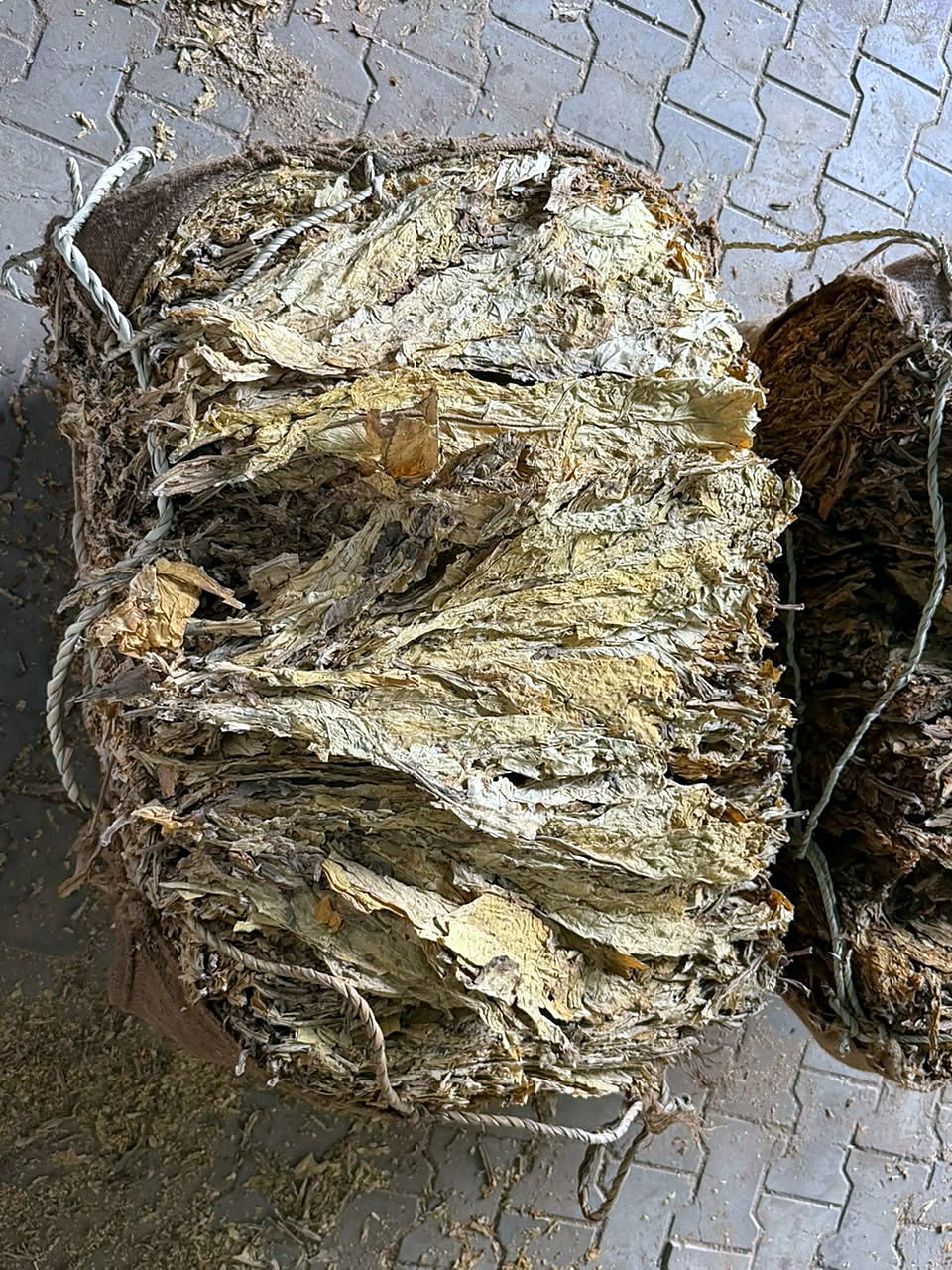
Whole leaf, hands of leaf, strips, fines and sealed samples from our own stock. See all 37 photographs.
Buyer feedback
What buyers say about working with us

Very Professional Company, for FCV tobacco a must considering company with a huge variety of Tobacco Leaves to buy for our brand of cigerettes.
Reply from FCV TobaccoThank you, Elena. Variety is exactly what we build our grade list around, so it is good to hear it made the selection for your brand easier. We look forward to the next lot.
Read on Google →
A very good company to work with. They are professional, reliable, and always deliver on time. Working with them has been a great experience, and I truly appreciate their commitment and service.
Reply from FCV TobaccoThank you, Shehzad. Delivering on the agreed window is something we take seriously, and we appreciate you saying so. Always a pleasure working with your team.
Read on Google →
Professional Company - Highly Recommended for FCV Tobacco in bulk. We are dealing with them for a long time.
Reply from FCV TobaccoThank you, Mehak. Long-standing relationships like yours are the best recommendation we could ask for. We appreciate your continued trust in our FCV supply.
Read on Google →كانت تجربتي مع خدمة العملاء ممتازة. التواصل كان سريعًا ومحترفًا، وتم التعامل مع الطلب والاستفسارات بوضوح واهتمام، ووصل كل شيء بشكل منظم كما توقعت.
Translated from Arabic: My experience with the customer service was excellent. Communication was fast and professional, the order and enquiries were handled clearly and attentively, and everything arrived well organised, as I expected.
Reply from FCV TobaccoThank you very much for your kind review. We appreciate it.
Read on Google →