Origin
Pakistan FCV tobacco: flue-cured Virginia from Khyber Pakhtunkhwa
Buy FCV Tobacco sourced from Khyber Pakhtunkhwa — Swabi, Mardan, Charsadda, Nowshera, Buner, Malakand. Crop calendar, flue-curing, grading, and export supply chain. Wholesale FCV tobacco for international buyers.
Enquire
Send a specification and receive availability against the current crop year.
WhatsApp our team Or send a written specification →MOQ 1 container (20 MT minimum) · FOB terms, shipped to any port · 50% advance, 50% on FOB
Pakistan's FCV Tobacco Province
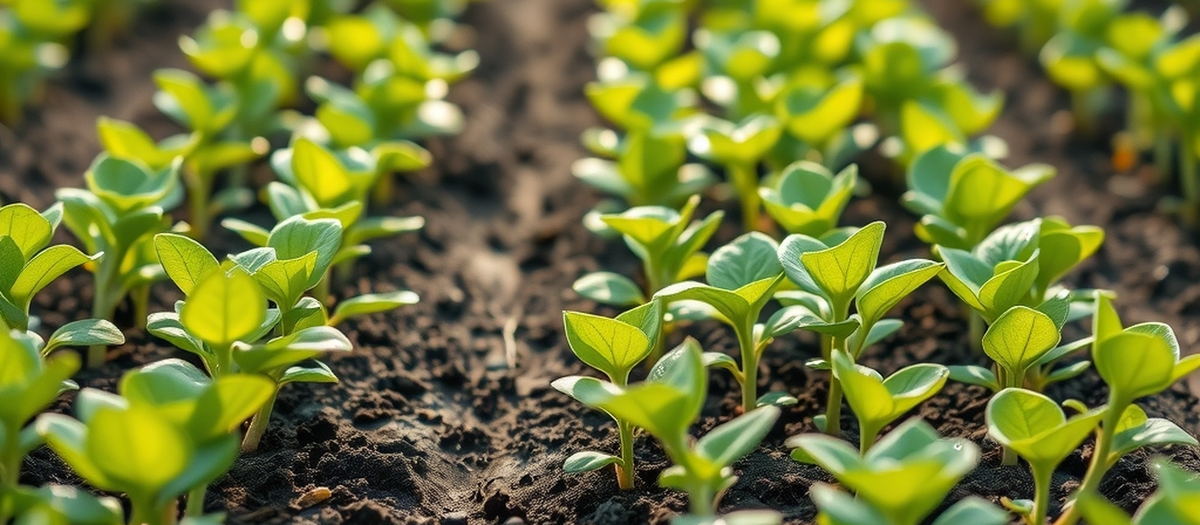
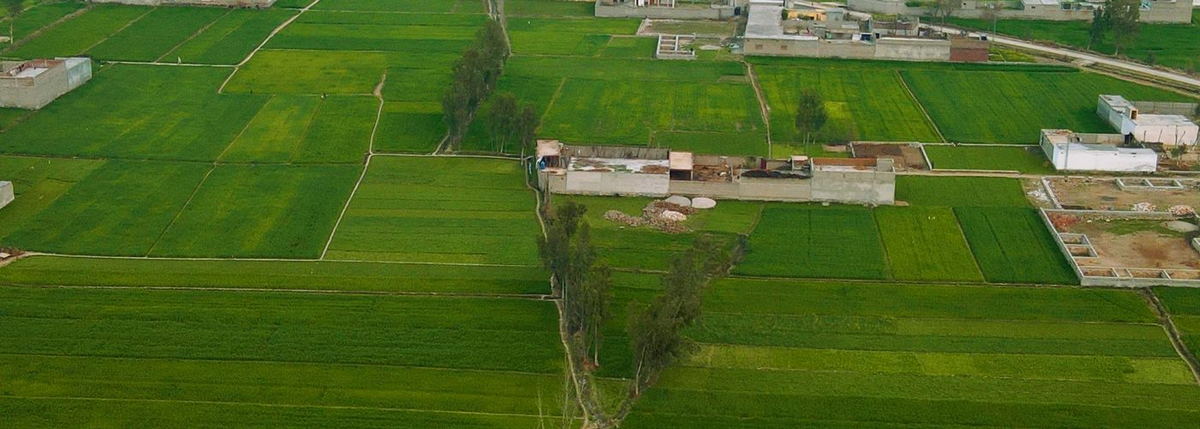
Virtually all of Pakistan's Flue-Cured Virginia (FCV) Tobacco is grown in Khyber Pakhtunkhwa (KPK), the north-western province bordering Afghanistan. The province's combination of fertile alluvial plains, warm summers, and well-drained soils creates conditions well-suited to FCV Tobacco cultivation.
FCV Tobacco cultivation in KPK has a history spanning several decades. The crop is grown by smallholder farmers, typically on plots of one to five acres, using traditional agronomic practices alongside modern inputs. The Pakistan Tobacco Board (PTB) oversees the sector, providing extension services, variety development, and quality standards.
Two distinct growing environments exist within KPK: the plains districts (Swabi, Mardan, Charsadda) and the sub-mountain districts (Buner, Malakand). Each produces FCV Tobacco with different characteristics, giving buyers access to a range of leaf profiles from a single origin.
Pakistan's north-western province. Primary FCV Tobacco districts: Swabi, Mardan, Charsadda (plains); Buner, Malakand (sub-mountain).
Plains & Sub-Mountain Regions
Pakistan FCV Tobacco is grown across five primary districts in KPK, each with distinct soil, climate, and leaf characteristics.
Swabi
The primary FCV Tobacco growing district of Khyber Pakhtunkhwa. Swabi's fertile alluvial plains, warm summers, and well-drained sandy loam soils produce the bulk of Pakistan's FCV Tobacco crop. The district has the longest established tobacco farming tradition in the country.
Mardan
Adjacent to Swabi, Mardan is the second major FCV Tobacco district. Similar soil and climate conditions produce leaf with comparable characteristics. Mardan farmers have cultivated FCV Tobacco for generations alongside sugarcane and wheat.
Charsadda
Located in the Peshawar Valley, Charsadda contributes to the plains FCV Tobacco supply. The district benefits from irrigation from the Kabul River system and produces leaf across a range of stalk positions.
Buner
A sub-mountain district where cooler temperatures and higher elevation produce FCV Tobacco with distinct characteristics — typically higher nicotine and a different colour profile compared to plains leaf. Buner leaf is valued for specific blend positions.
Malakand
Another sub-mountain growing area where altitude and temperature variation influence leaf chemistry and colour. Malakand FCV Tobacco is typically darker in colour and higher in nicotine than plains-grown leaf.
| Parameter | Value |
|---|---|
| Districts | Swabi, Mardan, Charsadda |
| Colour Range | Lemon to Orange |
| Nicotine | Lower to moderate |
| Body | Light to medium |
| Texture | Silky to smooth |
| Typical Use | Filler and binder blends; light cigarette applications |
| Parameter | Value |
|---|---|
| Districts | Buner, Malakand |
| Colour Range | Orange to Mahogany |
| Nicotine | Moderate to higher |
| Body | Medium to full |
| Texture | Smooth to slightly rough |
| Typical Use | Specific blend positions requiring higher nicotine or darker colour |
Crop Calendar
Pakistan FCV Tobacco follows an annual cycle from seedbed preparation in January through export shipment in the final quarter.
Nursery beds prepared, seeds sown under controlled conditions.
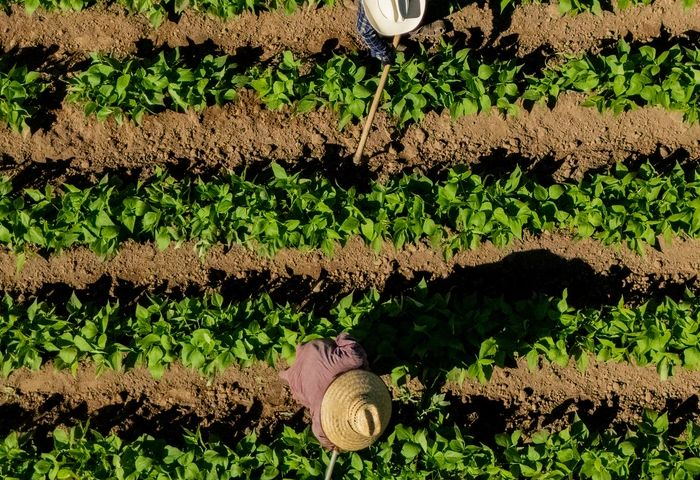
Seedlings transplanted to the field once established. Irrigation and fertiliser management begins.
Topping (removal of flower head) to redirect plant energy to leaf development. Suckering and pest management.
Leaves harvested by stalk position from bottom (primings) upward over multiple passes as each tier matures.
Harvested leaves loaded into curing barns. Flue-curing cycle: wilting, yellowing, colour fixing, drying — approximately 5–7 days per barn load.
Cured leaf graded by stalk position and colour, conditioned to target moisture, and packed in C48 cartons for storage and export.
C48 cartons inspected, sampled, and prepared for export. Laboratory analysis conducted. Shipping documentation prepared.
Priming by Stalk Position
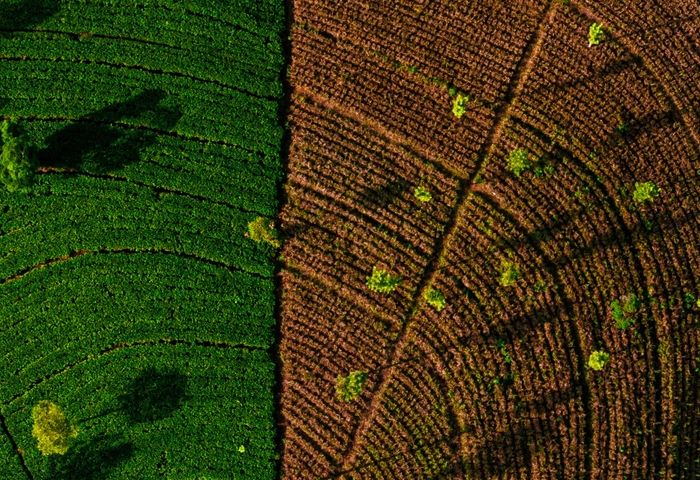
FCV Tobacco is harvested by "priming" — removing leaves individually by stalk position as each tier matures. Harvesting begins at the bottom of the plant (primings) and progresses upward over multiple passes spanning several weeks.
Each stalk position produces leaf with distinct characteristics. Primings are thin and low in nicotine; mid-stalk leaves (Cutters, Leaf) are the most valued for body and colour; upper leaves (Tips) are high in nicotine and typically darker.
The Curing Process
Harvested leaves are loaded onto sticks and hung in flue-curing barns. The curing cycle uses controlled heat — delivered through flues without direct smoke contact — to transform green leaf into the golden, bright-coloured FCV Tobacco characteristic of the type.
The curing cycle progresses through four stages: wilting (moisture removal), yellowing (colour development), colour fixing (enzyme inactivation), and drying (final moisture reduction). Each stage requires precise temperature and humidity control. A full curing cycle takes approximately five to seven days.
Grading Factors
Cured leaf is graded by a combination of factors before packing. Grading determines the commercial grade and price of each lot.
Primings (bottom), Lugs, Cutters, Smoking Leaf, Leaf, Tips (top). Position determines body, nicotine, and colour range.
Lemon, Lemon-Orange, Orange, Variegated, Red, Mahogany, Greenish, Dark/Mixed. Colour reflects curing quality and leaf maturity.
Larger leaves from mid-stalk positions are generally preferred. Size is assessed visually during grading.
Leaf texture (silky, smooth, rough) reflects growing conditions and curing quality. Silky texture is associated with higher-quality leaf.
Moisture content is controlled during conditioning prior to packing. Target range confirmed per buyer specification.
Freedom from foreign matter, sand, and non-tobacco material. Assessed visually during grading and confirmed by inspection.
Export Preparation
From graded C48 carton to shipped container — the six steps from post-curing to FOB shipment.
Grading & Conditioning
Cured leaf graded by stalk position and colour. Conditioned to target moisture range prior to packing.
Baling
Graded leaf packed into C48 cartons. C48 carton weight confirmed per buyer specification. C48 cartons labelled with grade, colour, crop year, and lot reference.
Laboratory Analysis
Representative samples drawn from each lot. Analysed for moisture, nicotine, reducing sugars, chloride, and other parameters as specified.
Pre-Shipment Inspection
Independent pre-shipment inspection conducted by buyer-specified or mutually agreed inspection company. Inspection covers grade, colour, moisture, and weight.
Export Documentation
Phytosanitary certificate, certificate of origin, commercial invoice, packing list, and bill of lading prepared. Pesticide residue analysis available on request.
Container Loading & Shipment
C48 cartons loaded into containers at agreed port. FOB terms. Shipping documents transmitted to buyer upon vessel departure.
Enquire About Pakistan FCV Tobacco
Submit your grade, colour, and specification requirements. We will advise on available lots from the current crop year. MOQ 20 MT by land, 1 container (20 MT) by sea.
The crop year at a glance
| Stage | Jan | Feb | Mar | Apr | May | Jun | Jul | Aug | Sep | Oct | Nov | Dec |
|---|---|---|---|---|---|---|---|---|---|---|---|---|
| 01 Nursery and seedbedBeds prepared, seed sown under controlled conditions. | active | active | ||||||||||
| 02 TransplantingSeedlings set out once established; irrigation and fertiliser management begins. | active | active | ||||||||||
| 03 Field growth, topping, suckeringFlower head removed to push energy into leaf; pest management. | active | active | ||||||||||
| 04 Priming (harvest by stalk position)Bottom to top over several passes as each tier ripens. | active | active | active | |||||||||
| 05 Flue curingWilting, yellowing, colour fixing and drying — about 5–7 days per barn load. | active | active | active | active | ||||||||
| 06 Grading, conditioning, packingSorted by stalk position and colour; conditioned to target moisture; packed in C48 cartons. | active | active | active | |||||||||
| 07 Inspection, sampling, exportLaboratory analysis, documentation, container loading and shipment. | active | active | active |
Growing districts
Districts shown are those named in our published origin information. The diagram is schematic and indicates relative position only.
Frequently asked questions
In Khyber Pakhtunkhwa province, which produces the overwhelming majority of Pakistan's flue-cured Virginia crop. The plains districts of Swabi, Mardan, Charsadda and Nowshera and the sub-mountain districts of Buner and Malakand are the growing areas behind the leaf supplied on this site. The Pakistan Tobacco Board regulates cultivation, grading and export.
The crop year runs from seedbed preparation in January to export shipments in the final quarter. Seedlings are transplanted in spring, the plants are topped and suckered as they grow, and priming runs upward from the bottom leaves in early summer over several passes, with each barn load flue-cured for about five to seven days. Grading, conditioning and packing follow in late summer, and inspected lots ship from the fourth quarter. New-crop enquiries are best placed before that window.
They are two growing environments within Khyber Pakhtunkhwa. Plains districts such as Swabi, Mardan, Charsadda and Nowshera give the bulk of the crop; sub-mountain districts such as Buner and Malakand sit at higher elevation. Origin is recorded per lot as plains or sub-mountain because buyers often find differences in leaf body and colour distribution between the two, which they confirm with the lot's laboratory analysis rather than assume.
Pakistan supplies a bright, mid-to-full-bodied Virginia leaf across six stalk positions, with a crop that ships in the final quarter of the year, at price levels that are competitive for filler and mid-blend positions. Buyers comparing it with Brazilian, Zimbabwean, Indian or Chinese leaf should compare the same things they compare everywhere: laboratory-confirmed nicotine and sugars for the position they need, colour distribution, consistency across lots, availability through the year and landed cost to their plant.
The crop year identifies the growing season in which the leaf was harvested and cured. It matters because chemistry, colour and availability vary between seasons, and because leaf changes slowly in storage. Every lot on this site is identified by crop year and growing district, and buyers can specify a crop year when they need consistency with previous purchases or want current-crop leaf.
The Pakistan Tobacco Board, a statutory body under the federal government, regulates cultivation, grading and the export of tobacco and tobacco products, including export permits. Exports also require the standard trade and phytosanitary documentation, and importers remain responsible for the rules of their own market.
Buyers can verify origin through the lot documentation, which records crop year and growing district, through laboratory analysis of representative samples, and through independent pre-shipment inspection at the point of loading. Requests for visits, additional documentation or third-party verification are handled case by case with the commercial team once buyer verification is complete.
Watch the leaf
See it move before you ask for samples
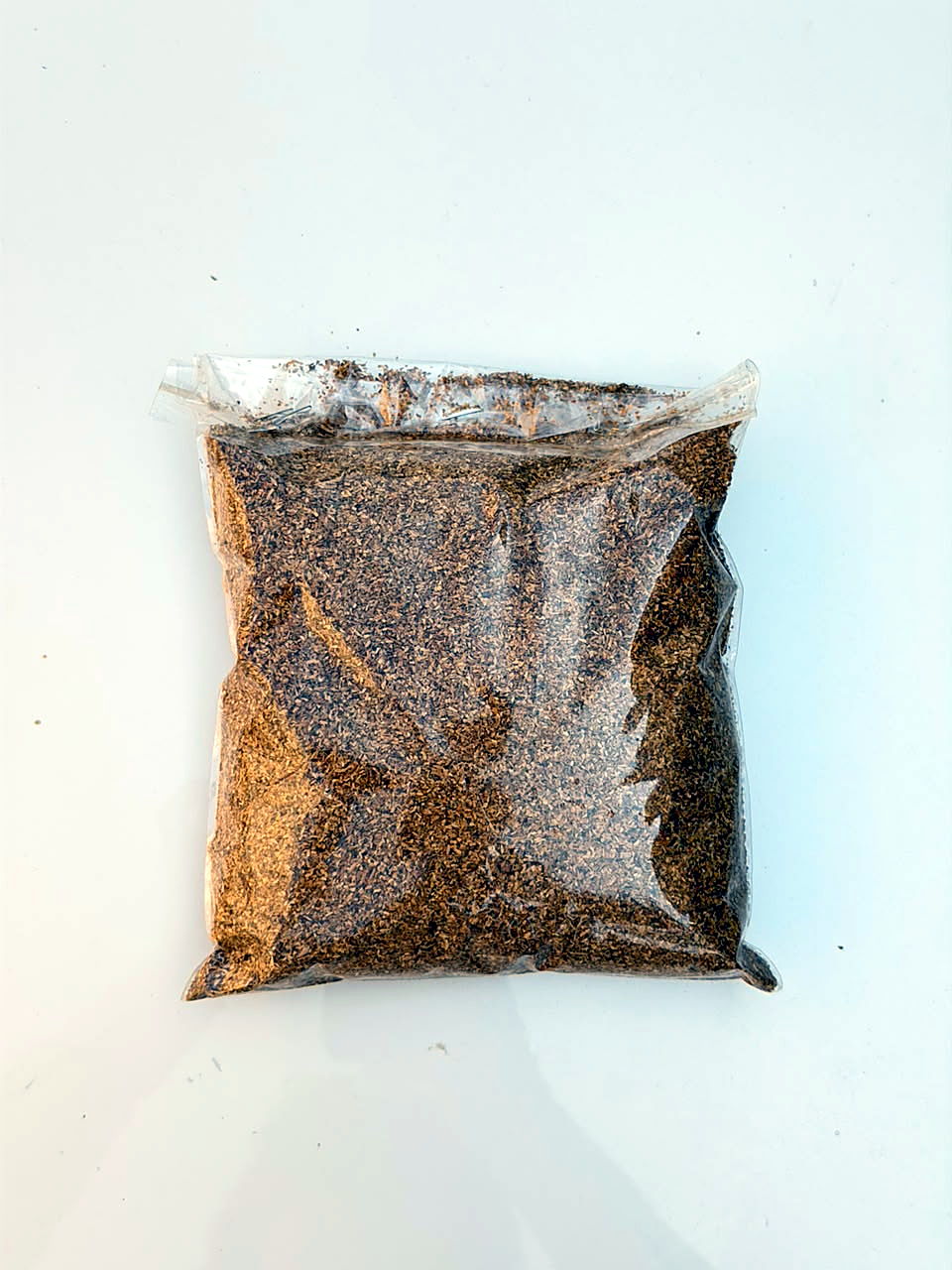
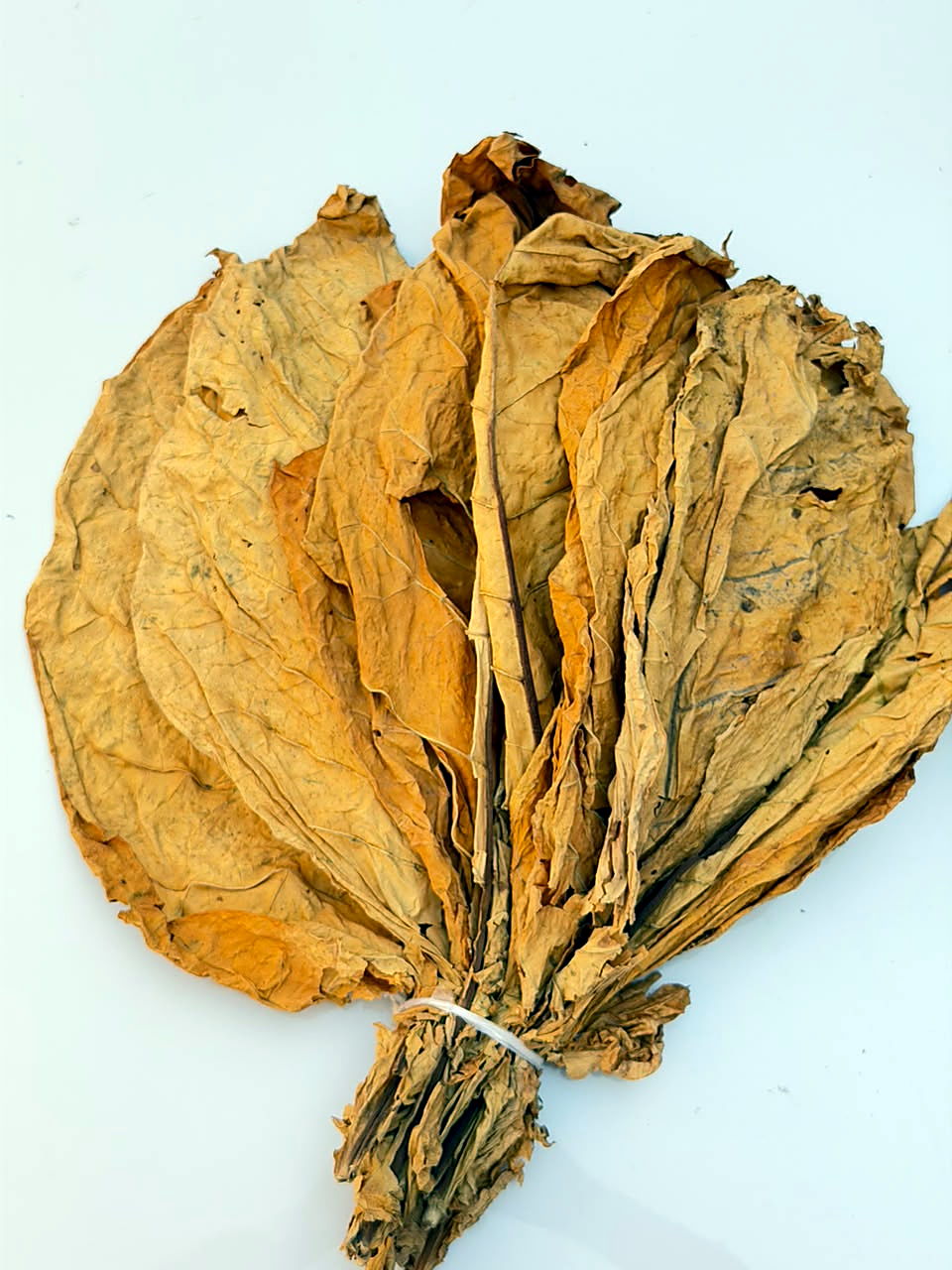
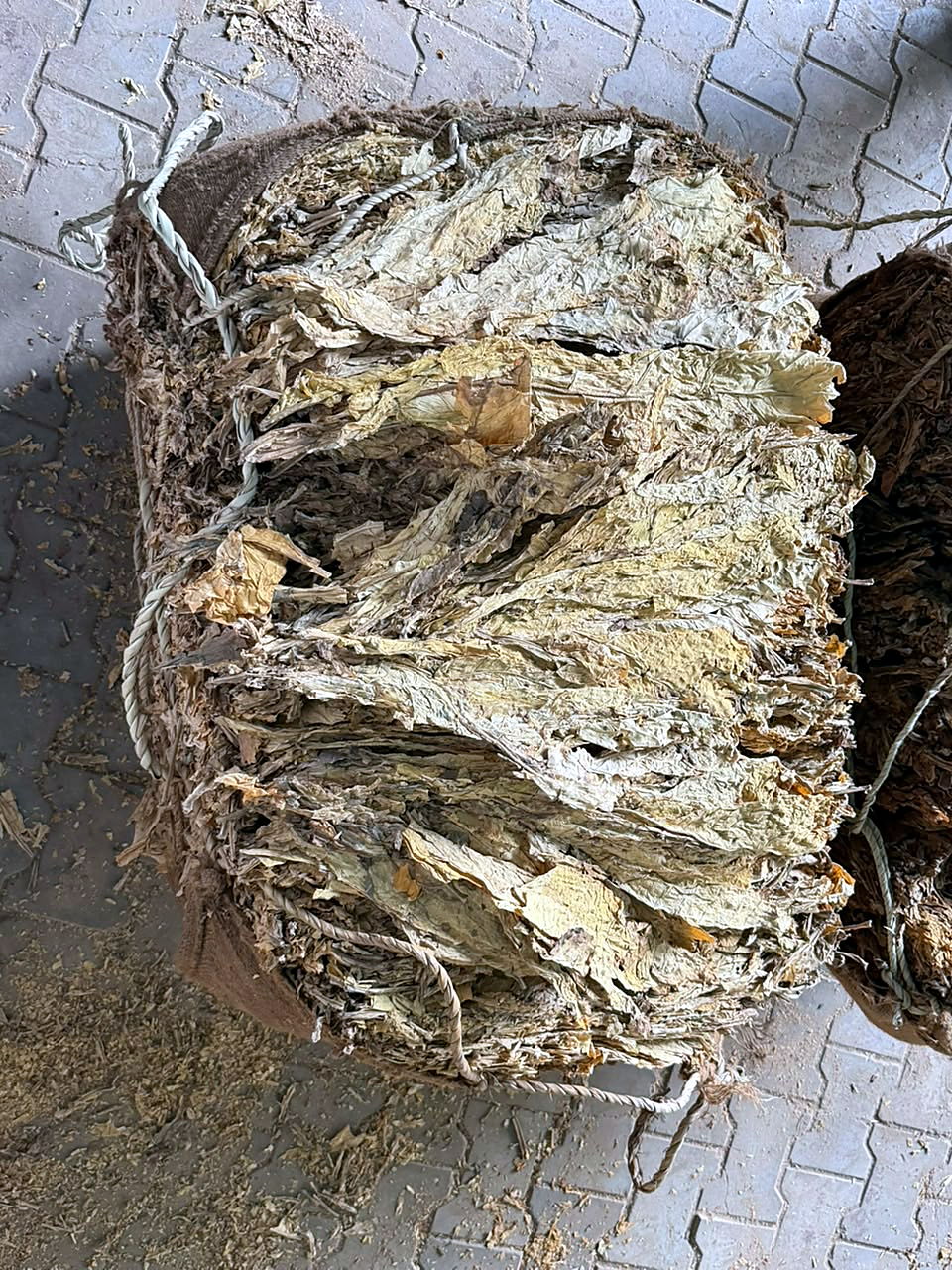
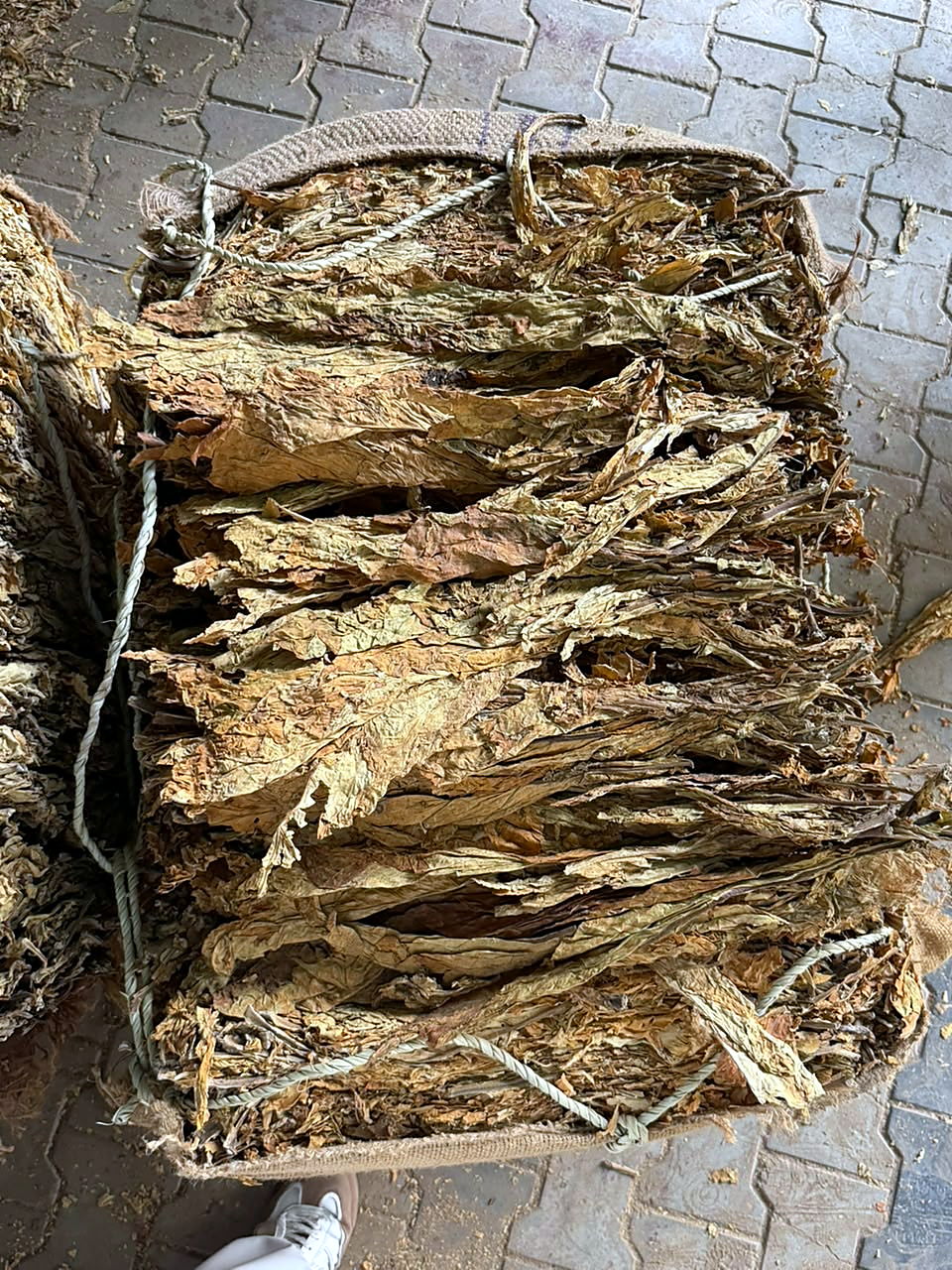
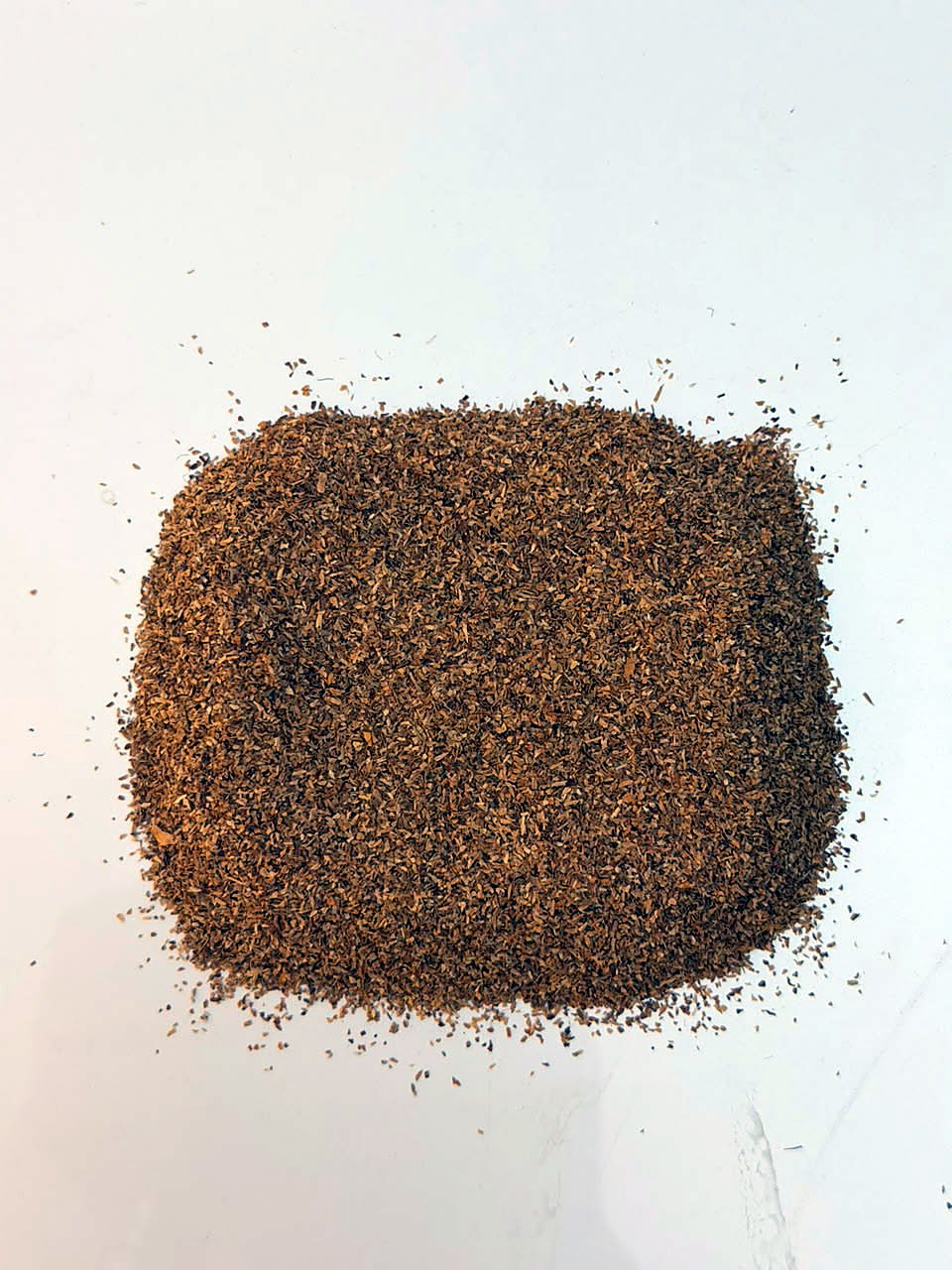
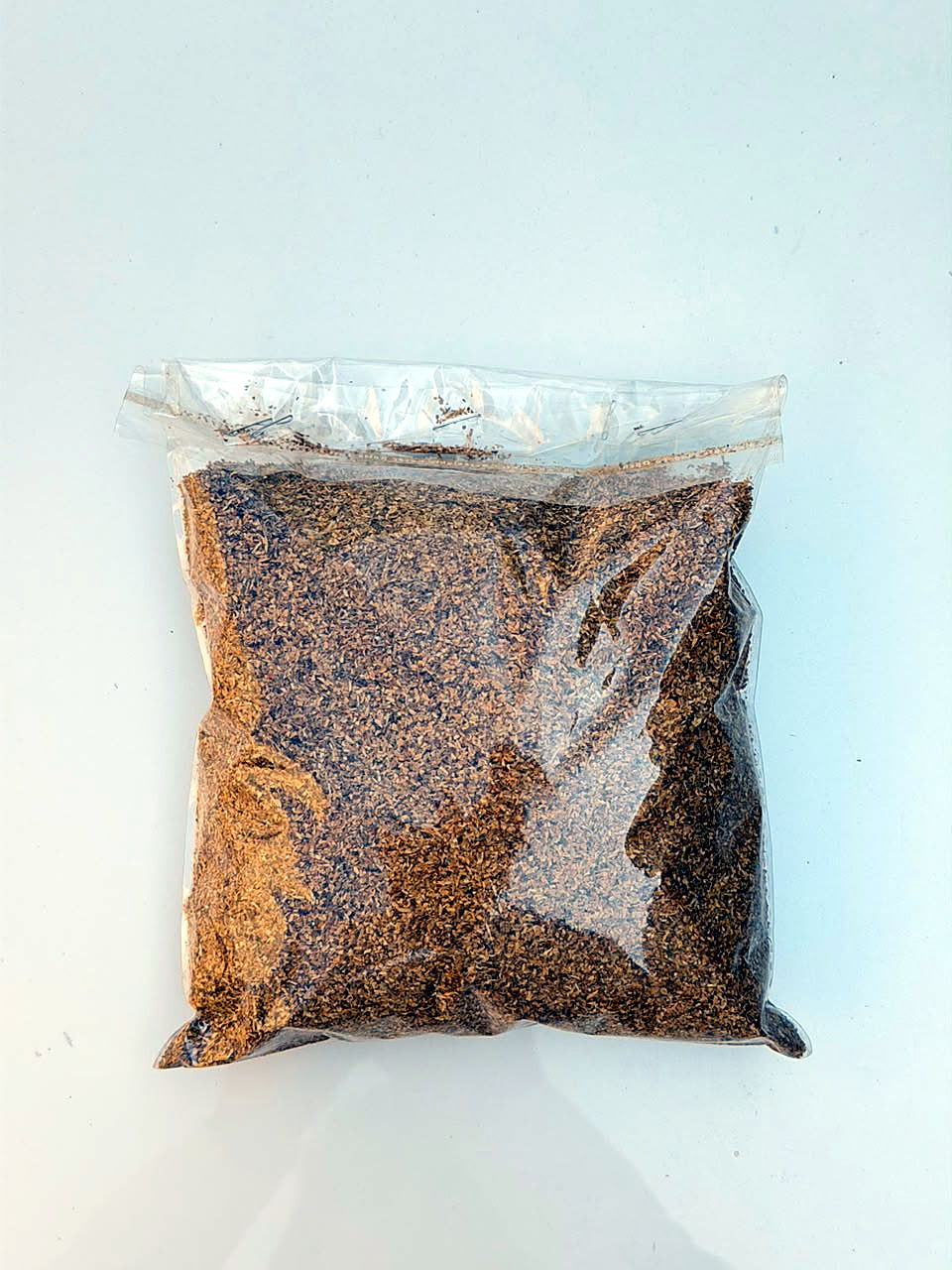
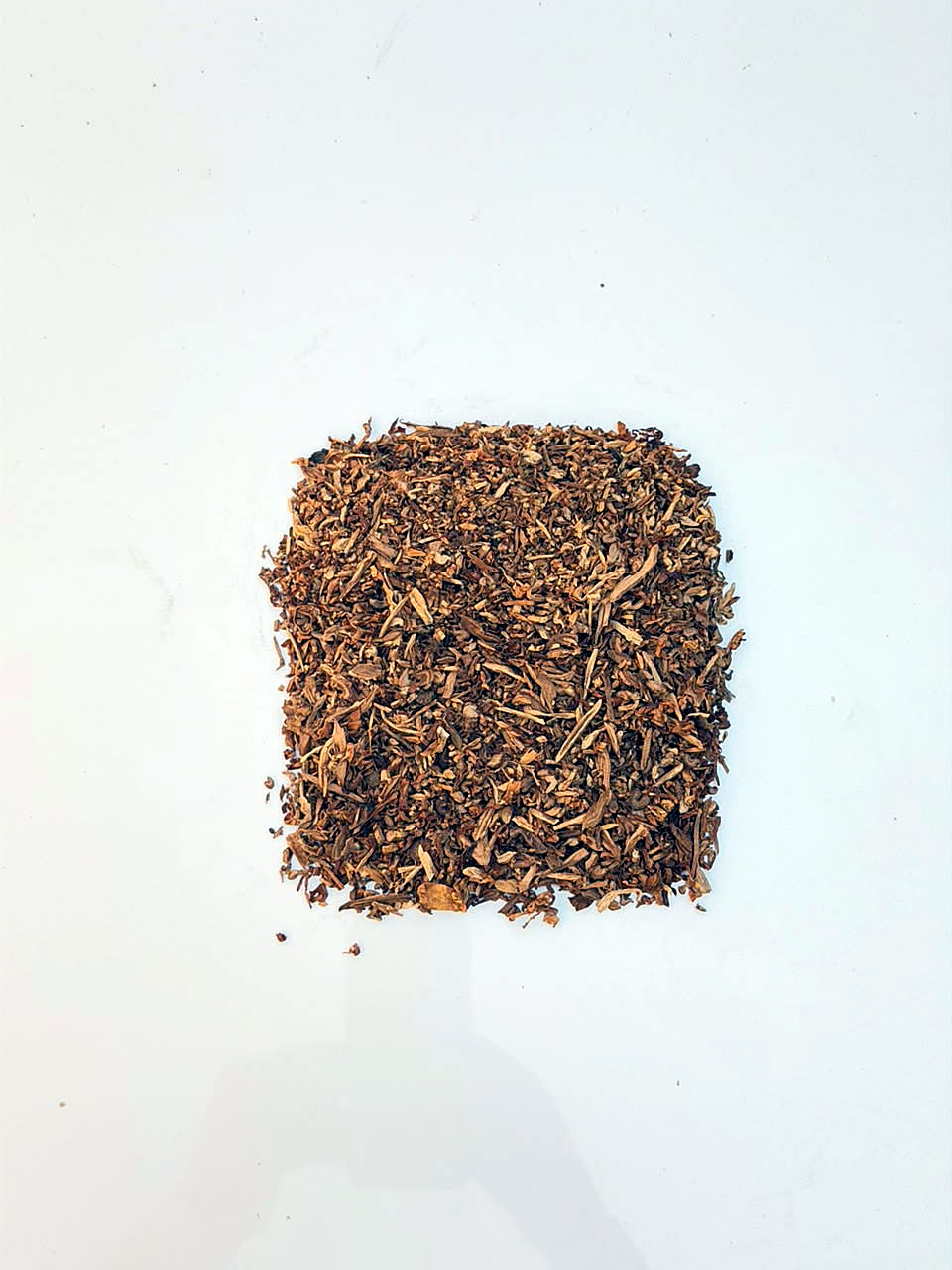
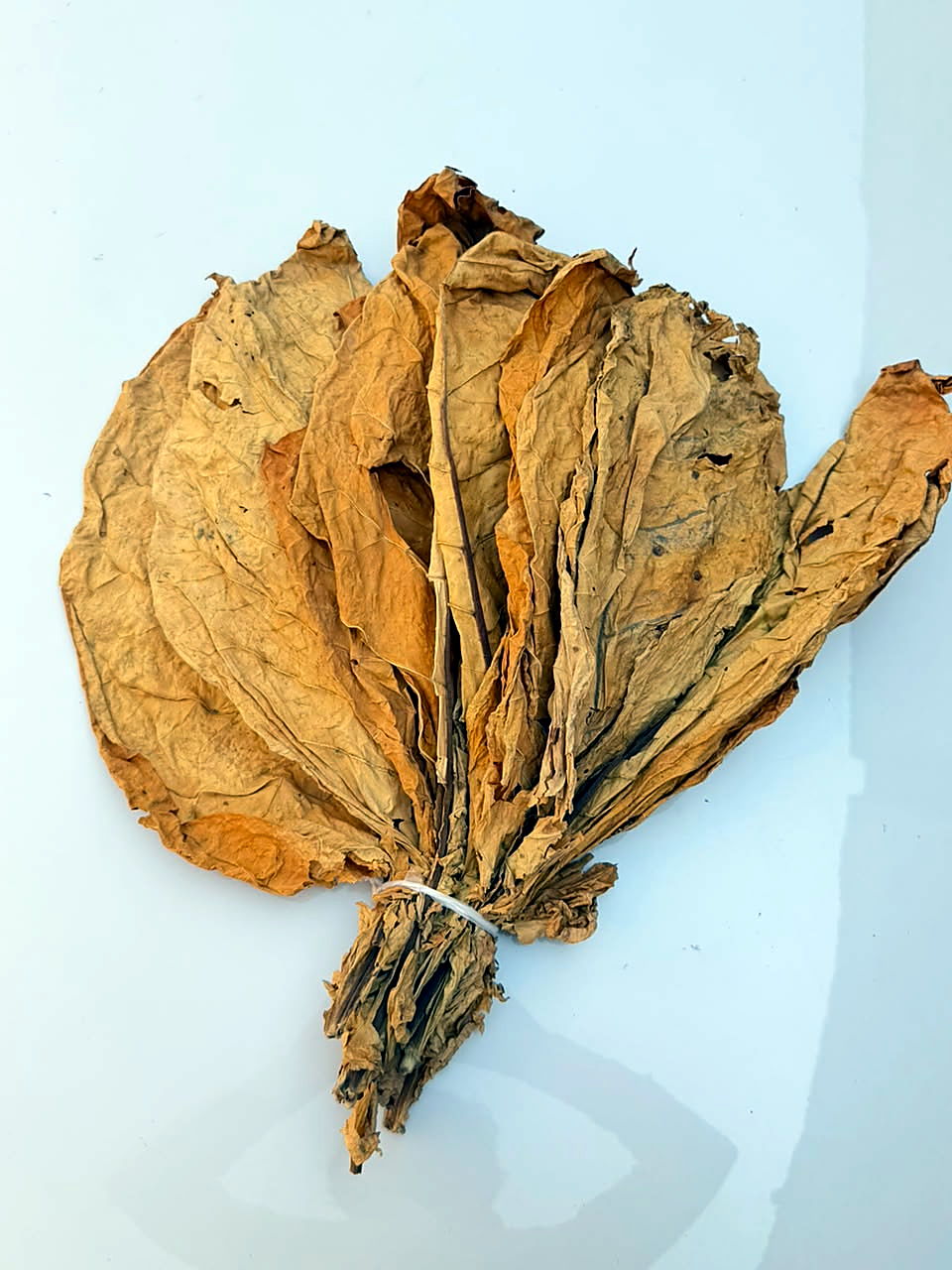
Short clips filmed in our store, on the grading floor and on the processing line. Whole leaf, cut leaf, strips, stems and sample bags, exactly as buyers see them before a container is packed.
Now playing · Golden flue-cured Virginia whole leaf
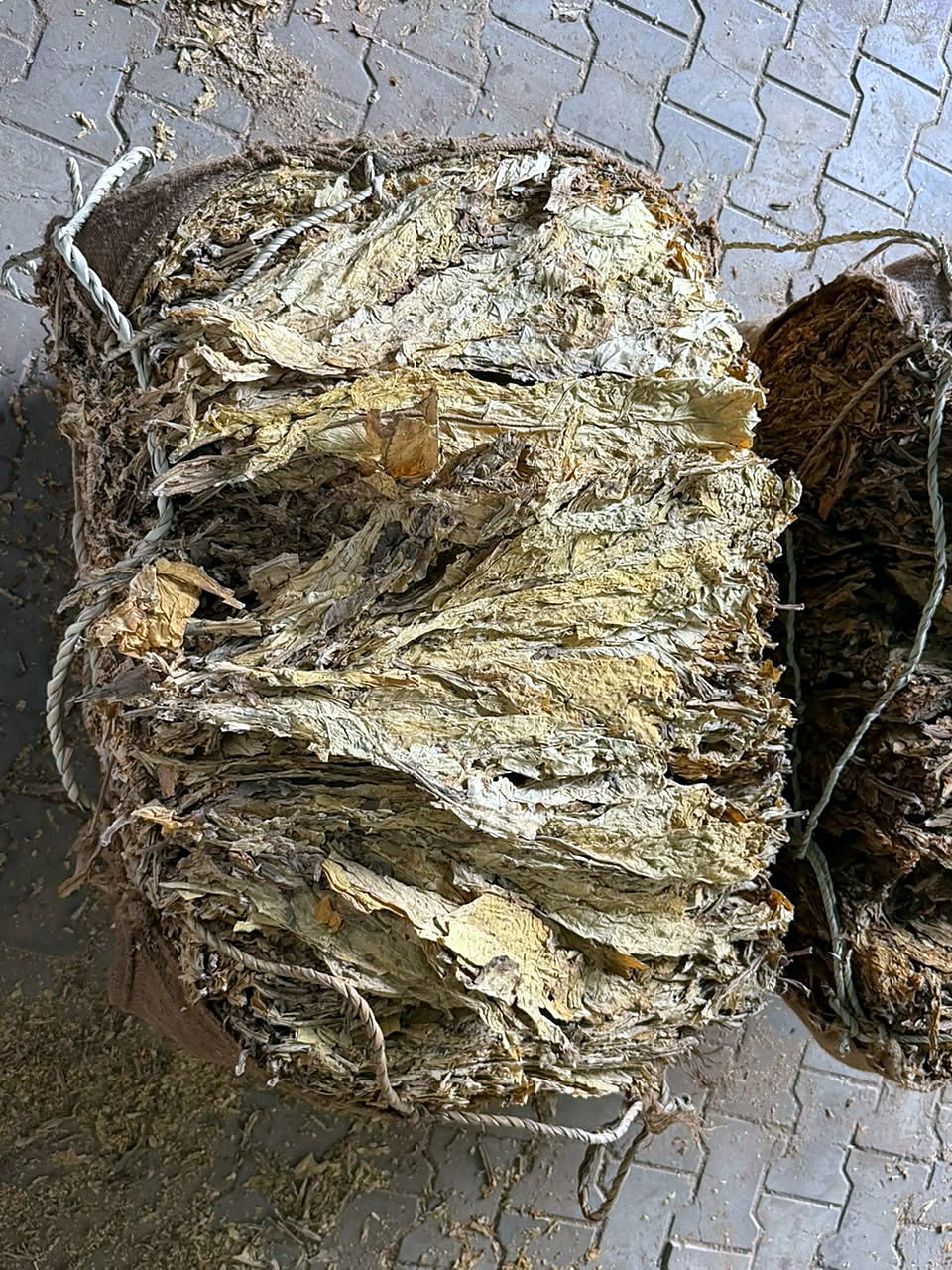
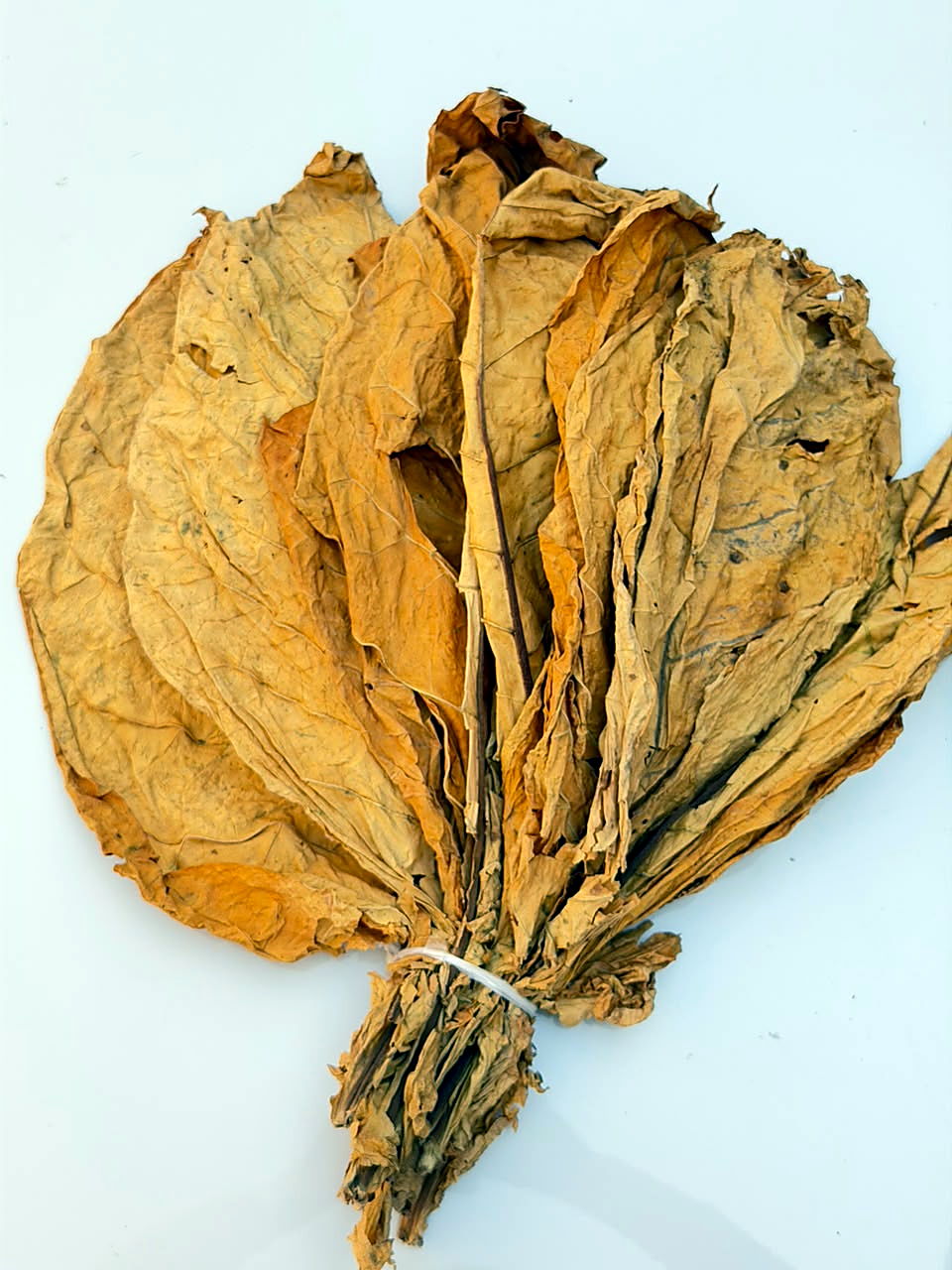
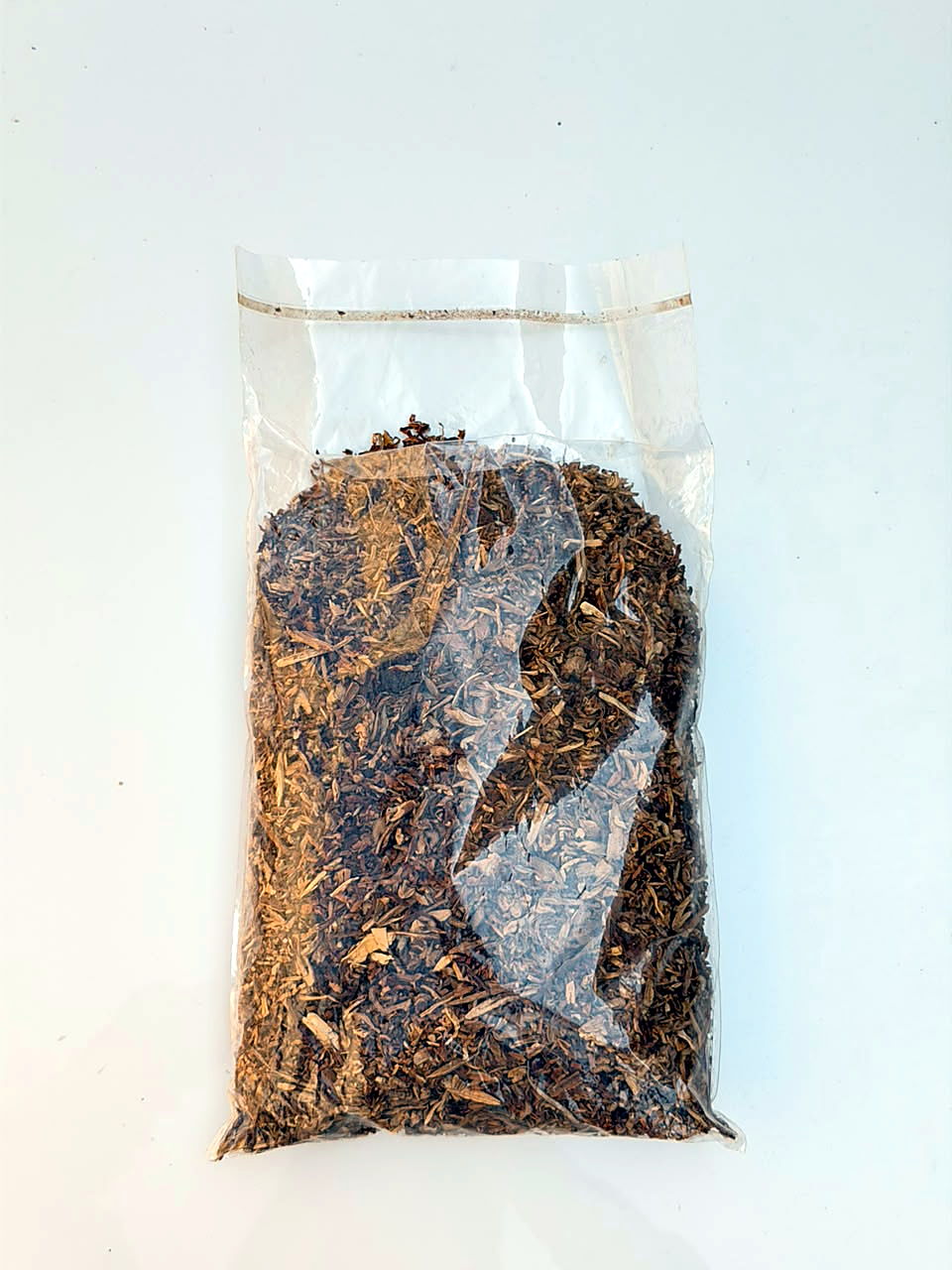
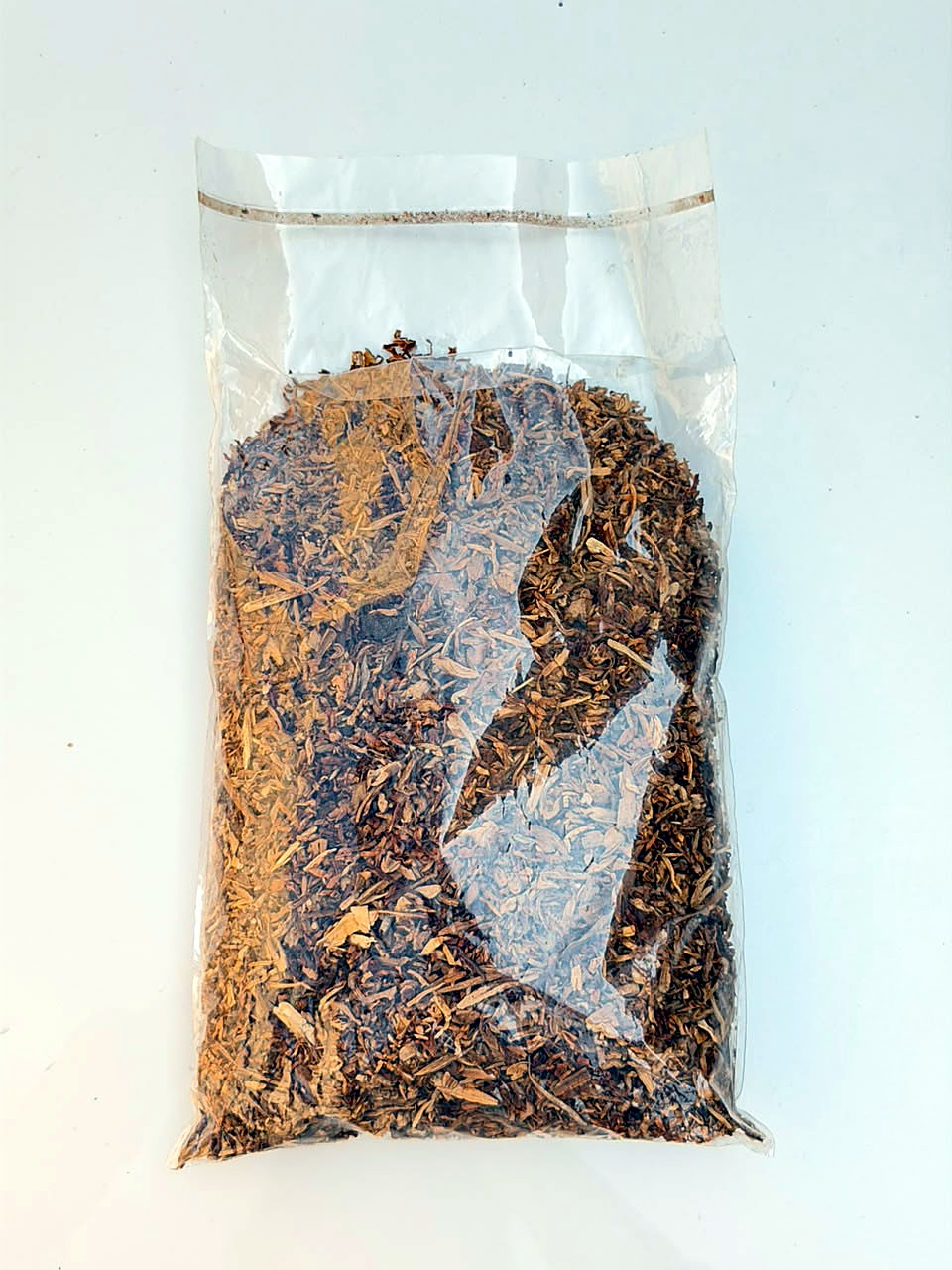
Contact sheet · real photographs
Our leaf, as we handle it
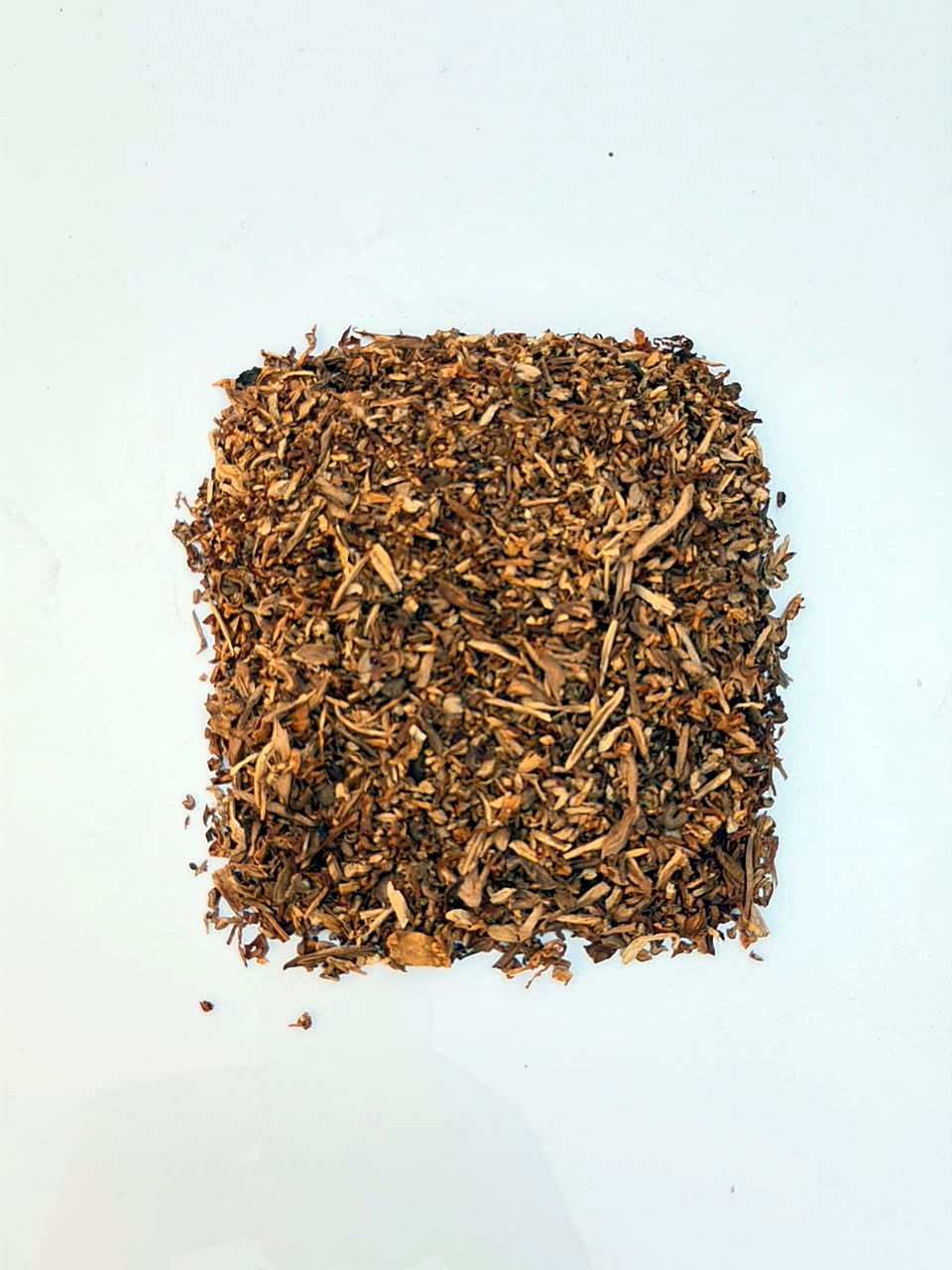
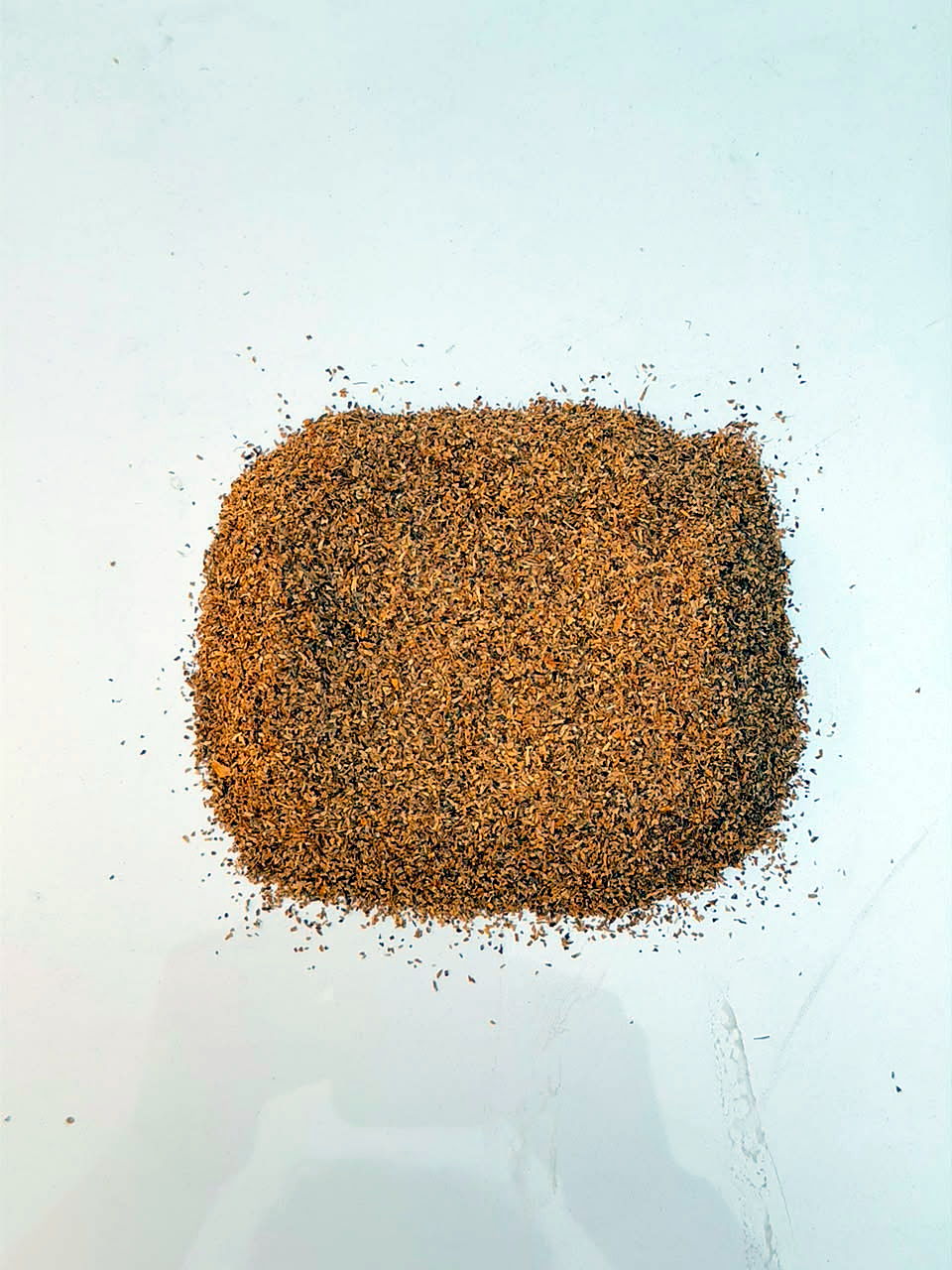
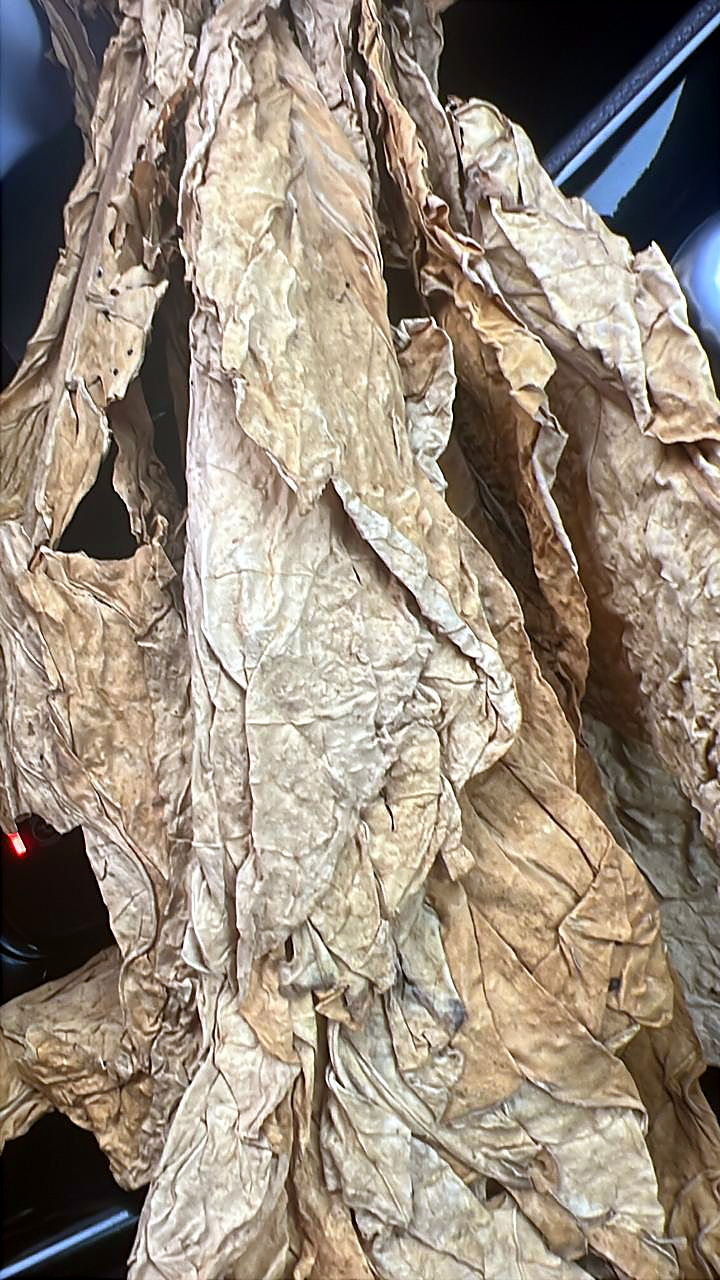
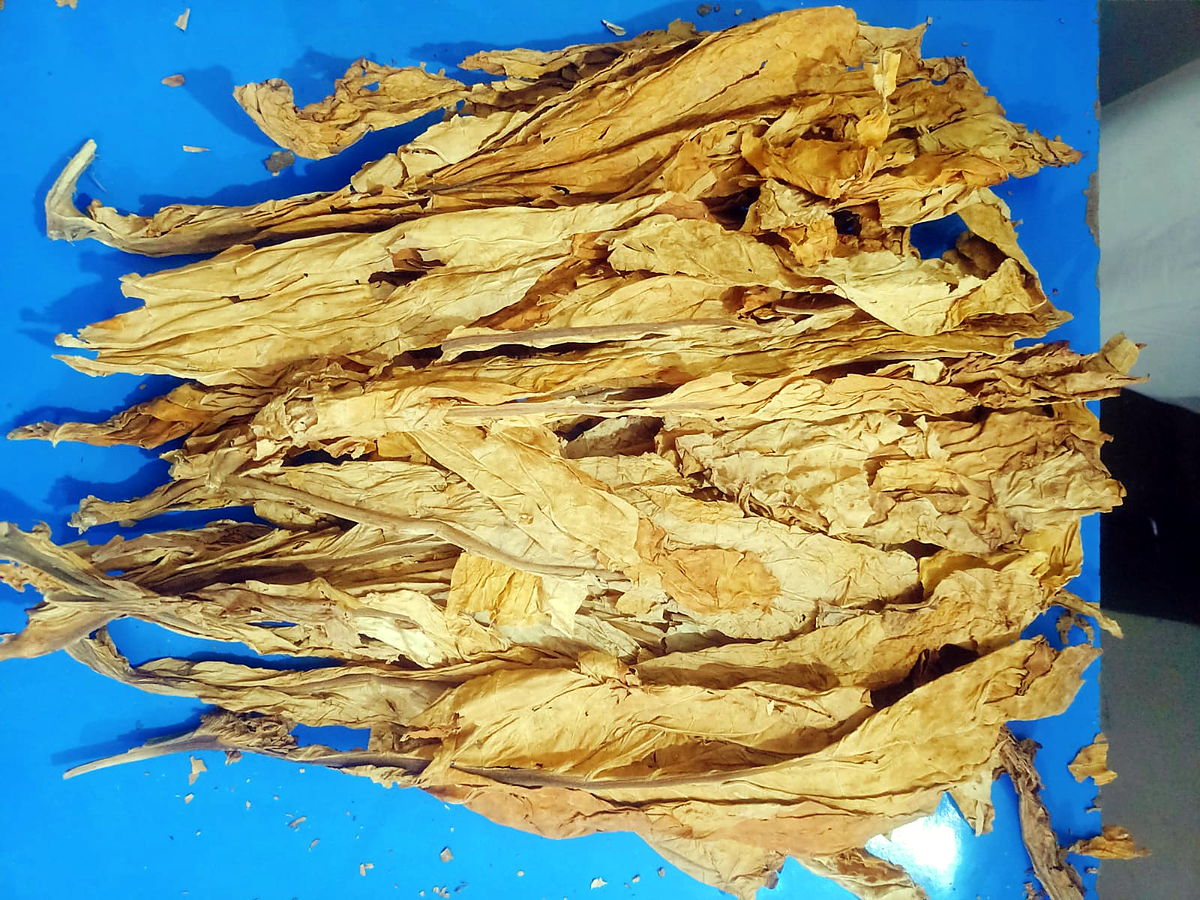
Whole leaf, hands of leaf, strips, fines and sealed samples from our own stock. See all 37 photographs.
Buyer feedback
What buyers say about working with us

Very Professional Company, for FCV tobacco a must considering company with a huge variety of Tobacco Leaves to buy for our brand of cigerettes.
Reply from FCV TobaccoThank you, Elena. Variety is exactly what we build our grade list around, so it is good to hear it made the selection for your brand easier. We look forward to the next lot.
Read on Google →
A very good company to work with. They are professional, reliable, and always deliver on time. Working with them has been a great experience, and I truly appreciate their commitment and service.
Reply from FCV TobaccoThank you, Shehzad. Delivering on the agreed window is something we take seriously, and we appreciate you saying so. Always a pleasure working with your team.
Read on Google →
Professional Company - Highly Recommended for FCV Tobacco in bulk. We are dealing with them for a long time.
Reply from FCV TobaccoThank you, Mehak. Long-standing relationships like yours are the best recommendation we could ask for. We appreciate your continued trust in our FCV supply.
Read on Google →كانت تجربتي مع خدمة العملاء ممتازة. التواصل كان سريعًا ومحترفًا، وتم التعامل مع الطلب والاستفسارات بوضوح واهتمام، ووصل كل شيء بشكل منظم كما توقعت.
Translated from Arabic: My experience with the customer service was excellent. Communication was fast and professional, the order and enquiries were handled clearly and attentively, and everything arrived well organised, as I expected.
Reply from FCV TobaccoThank you very much for your kind review. We appreciate it.
Read on Google →